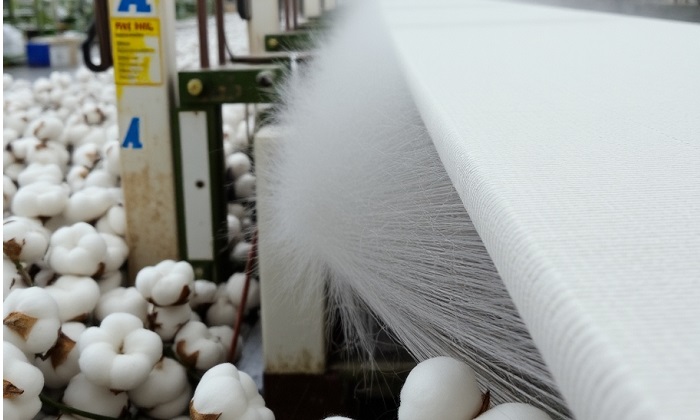
The fashion industry consumes vast amounts of cotton, water, and power to make 100 billion accessories and garments annually—three-fifths of which are thrown away within a year Less than one per cent of that is recycled into new clothes. The equivalent of a dump truck filled with textiles gets landfilled or incinerated every single second.
The industry’s growth is slowing as millennials increasingly understand fast fashion’s impact on the environment and exhibit a preference for spending on experiences rather than goods. By 2021, Gap will procure cotton only from organic farms or other producers it deems sustainable.
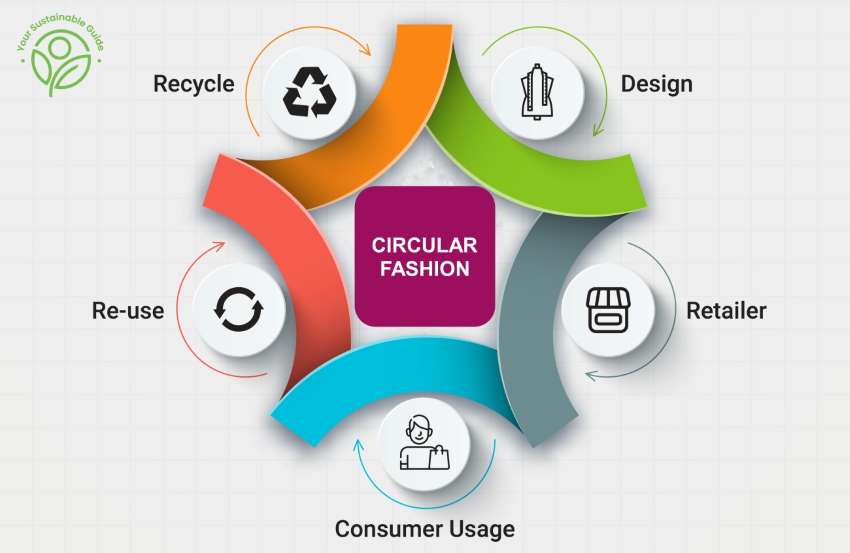
Uniqlo is experimenting with lasers to create distressed jeans using less water and chemicals. H&M is funding startups developing recycling technologies and fabrics made from unconventional materials such as mushroom roots. H&M is seeking to make all its products from recycled and sustainable materials by 2030, up from 35 per cent today.
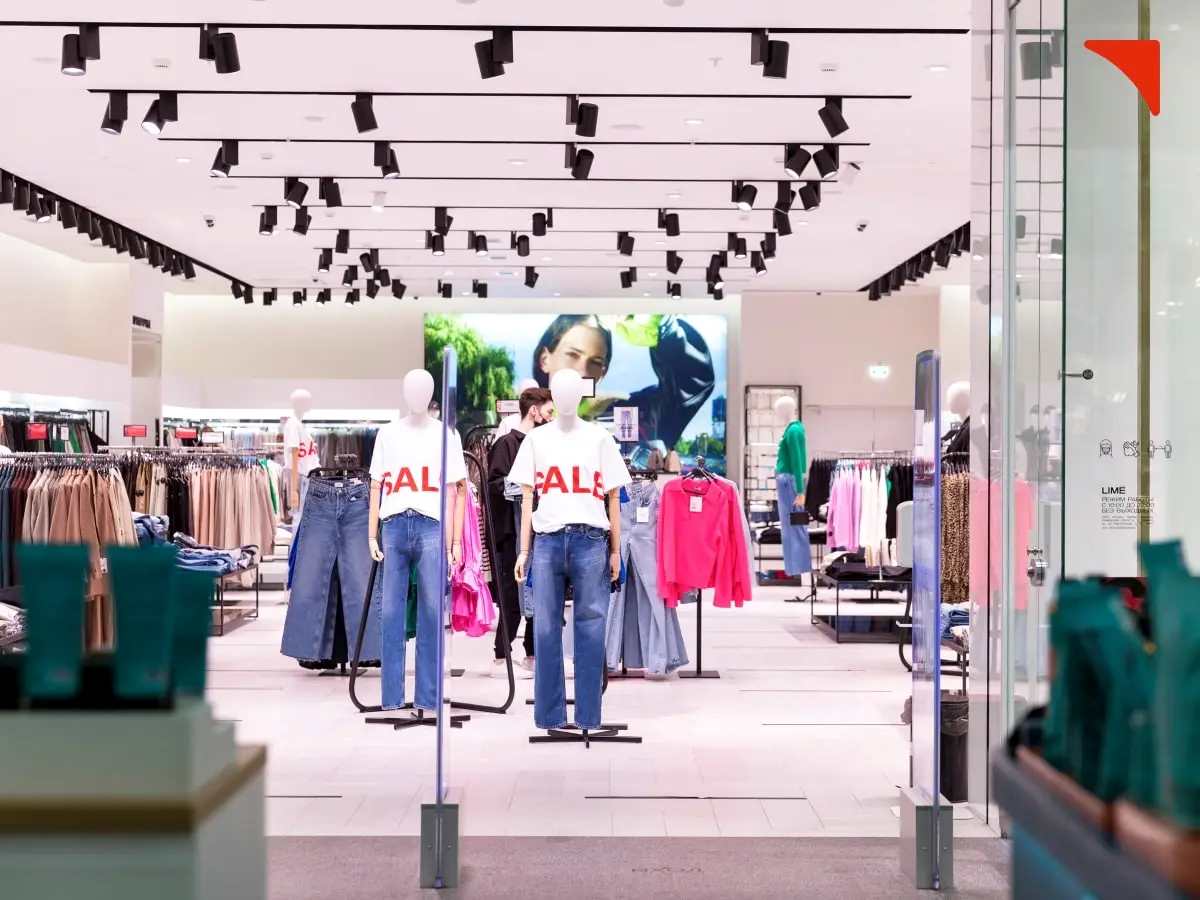
There is a shift in the industry known for churning out super cheap stuff that fills closets for just a few months before being tossed into the used-clothing bin. With growing concern over waste, retailers have placed recycling bins prominently in many stores. Highlighting such initiatives in tandem with efforts to use greener materials can help win customers.
Published in
Brand
Tagged under

Latest from FW
- New Wealth Tax policies impact luxury retail demand in China
- Bangladesh textile mills lobby for stricter yarn import curbs to protect domestic spinners
- Ferragamo accelerates global retail revolution with reimagined Rodeo Drive flagship
- Gen Z demographics drive US Polo Assn global sales to over US$ 2.7 billion
- Lee to blend mid-century cinematic history with contemporary design in new collection