The global apparel industry faces a critical fiscal crossroads as climate-induced disruptions threaten to erode 34 per cent of current profit margins by 2030. According to recent sectoral analysis, extreme weather patterns - ranging from droughts in cotton-producing regions to flooding in manufacturing hubs - could jeopardize approximately $65 billion in industry earnings. Rising temperatures specifically impact the production of natural fibers, with cotton yields in key markets like India and the United States projected to fluctuate by as much as 20 per cent over the next decade. This supply-side instability forces retail brands to contend with volatile raw material costs, often resulting in lower gross margins as price-sensitive consumers resist inflationary markups at the point of sale.
Strategic resilience and the cost of adaptation
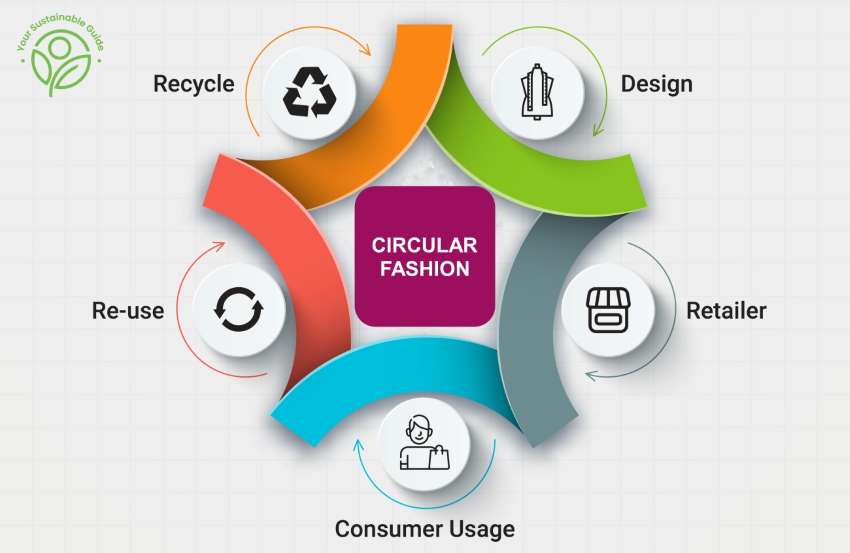
Retailers are increasingly prioritizing capital expenditure toward circular business models and regenerative agriculture to hedge against these systemic risks. A primary challenge remains the ‘compliance gap,’ where brands must navigate stricter environmental disclosures such as the EU’s Corporate Sustainability Reporting Directive (CSRD). The industry can no longer view climate risk as a peripheral ESG metric; it is a core fiduciary concern, notes Elena Rossi, a Senior Retail Analyst. Leading firms like H&M and Inditex are currently investing in next-generation recycled fibers to reduce dependence on virgin resources. For the broader sector, the transition to low-carbon operations requires an estimated $1 trillion in cumulative investment by 2050, presenting both a formidable liquidity challenge and a massive opportunity for early movers to capture market share through superior supply chain transparency.
The fashion sector is a multi-trillion dollar global engine spanning high-volume retail to luxury goods. It faces pressure to transition toward sustainable sourcing while maintaining 4-5 per cent annual growth. With 2026 financial outlooks focused on inventory optimization, the industry aims to integrate decarbonization into core operations to mitigate long-term earnings volatility.