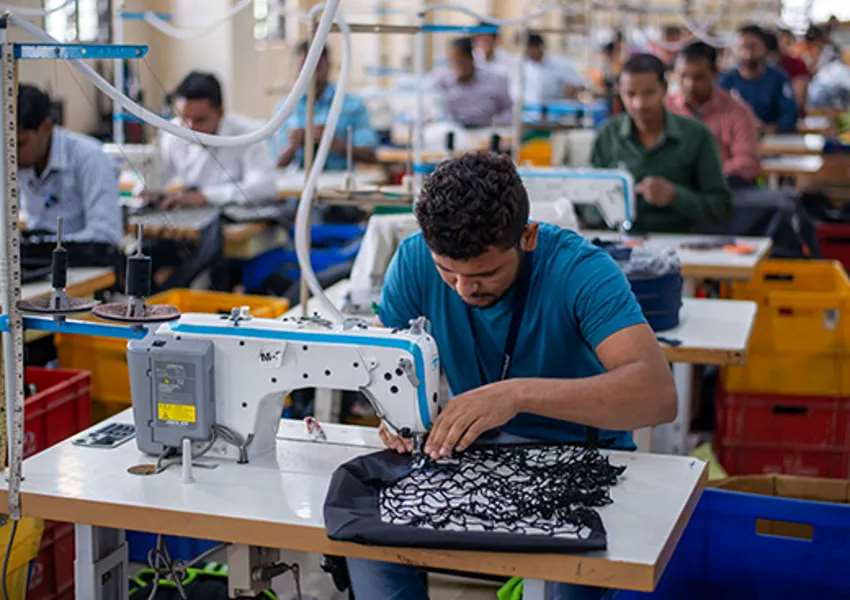
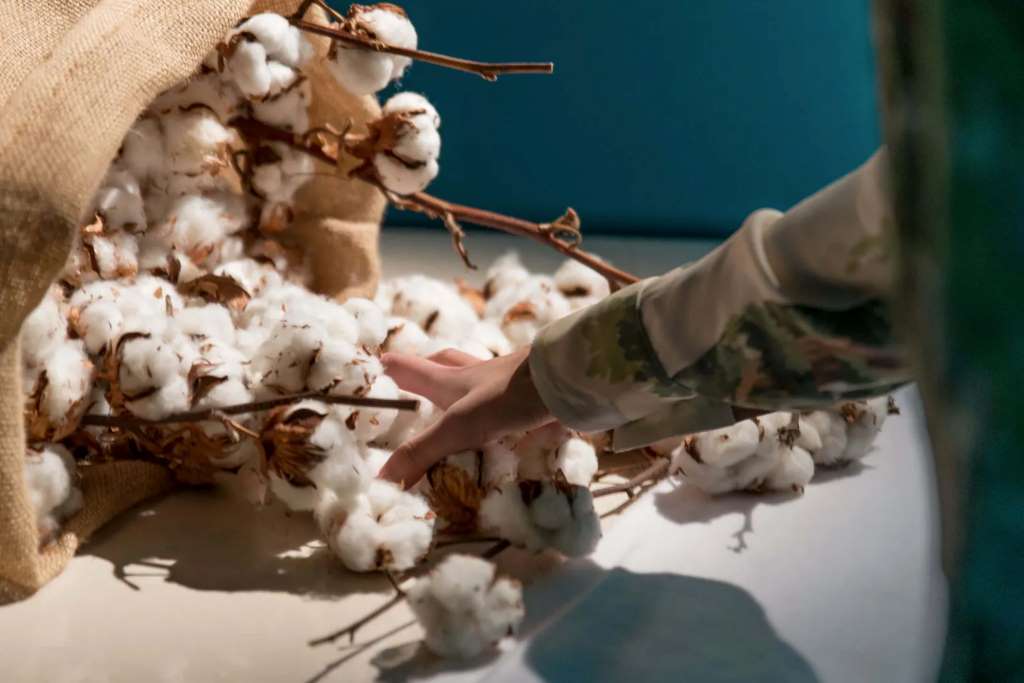
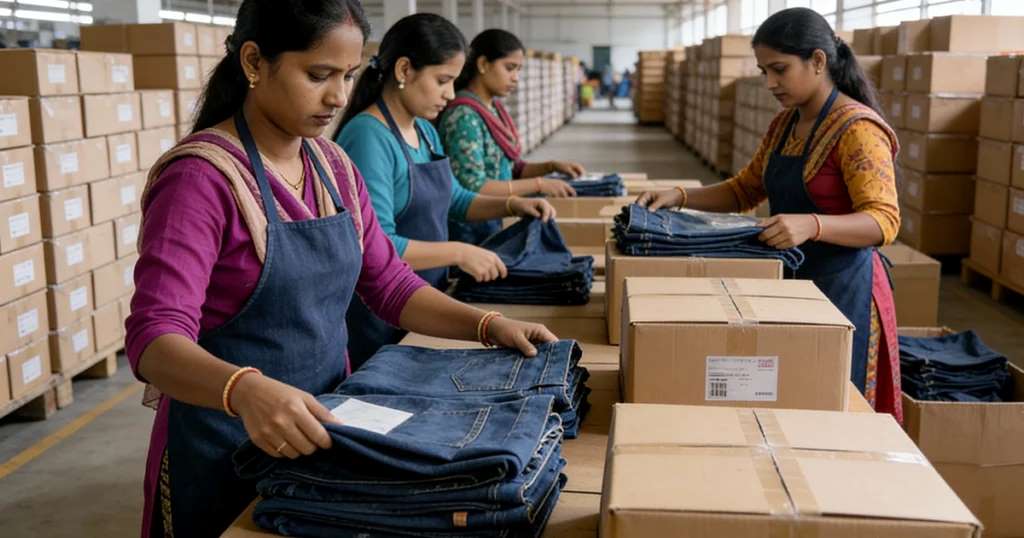
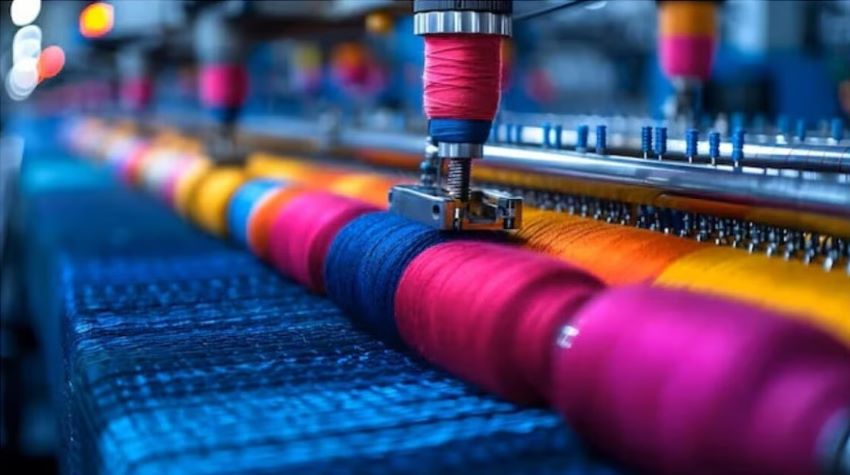
The global textile market is growing at six per cent. The abundance of natural fibers, especially cotton in the US, China and India, is contributing significantly to the growth of the global textile market. Natural fibers include those obtained from plants and animals, like cotton, silk, linen, wool, hemp, jute and cashmere. These fibers are widely used to manufacture apparel, construction materials, medical dressings and automobile interiors. Silk is used in upholstery and apparel, and is available in fine and coarse varieties. Wool and jute are used as textiles for their resilience, elasticity and softness.
Cotton is the most widely used raw material in the global textile industry owing to its excellent durability. Polyester’s market share will grow further thanks to properties such as high strength and shrink resistance. Innovations in the textile industry will also have a positive impact on the market and contribute to its growth. For example, several companies are launching heating technology to keep clothes warm during winter through infrared heat absorption. Another impactful innovation is the development of jeans made from post-consumer cotton waste. The growing demand for textiles in developing economies and capacity expansions by vendors in the textile industry are other major aspects that are expected to boost the growth of the global textile market.

- 1
- 2
- 3
- 4
- 5
- 6
- 7
- 8
- 9
- 10
Compliance as the New Currency: Why global fashion is trading lowest-cost sourci…
For decades, the global apparel sourcing playbook was deceptively simple: locate the cheapest labor pool, negotiate down raw material costs,... Read more
Manufacturing Meets Retail: China’s M2C blueprint redefines fashion economics
The traditional divide between manufacturing and retail is rapidly disappearing in China. For decades, global apparel production operated through a... Read more
India's textile exporters win competitive advantage in new US tariff regime
A sweeping overhaul of US trade policy has created one of the most competitive openings for India's textile and apparel... Read more
Yarn Expo Autumn: A vital barometer for fiber innovation
Global apparel brands and textile manufacturers are rapidly re-engineering their procurement strategies, pivoting from traditional commodity fibers toward high-tenacity, circular,... Read more
Organic cotton's scale problem raises new risks for fashion supply chains
The global fashion industry's pursuit of sustainable raw materials is facing an uncomfortable reality. Organic cotton, long promoted as the... Read more
India leads global fashion web traffic boom as digital shopping habits evolve
India's digital garment trade has struck an operational turning point, as local shoppers logged 1.4 billion average monthly visits to... Read more
Global apparel trade turns direct as brands bypass traditional distribution netw…
Geopolitical uncertainty, changing tariff regimes and volatile freight costs are forcing manufacturers to rethink how garments reach global consumers. Instead... Read more
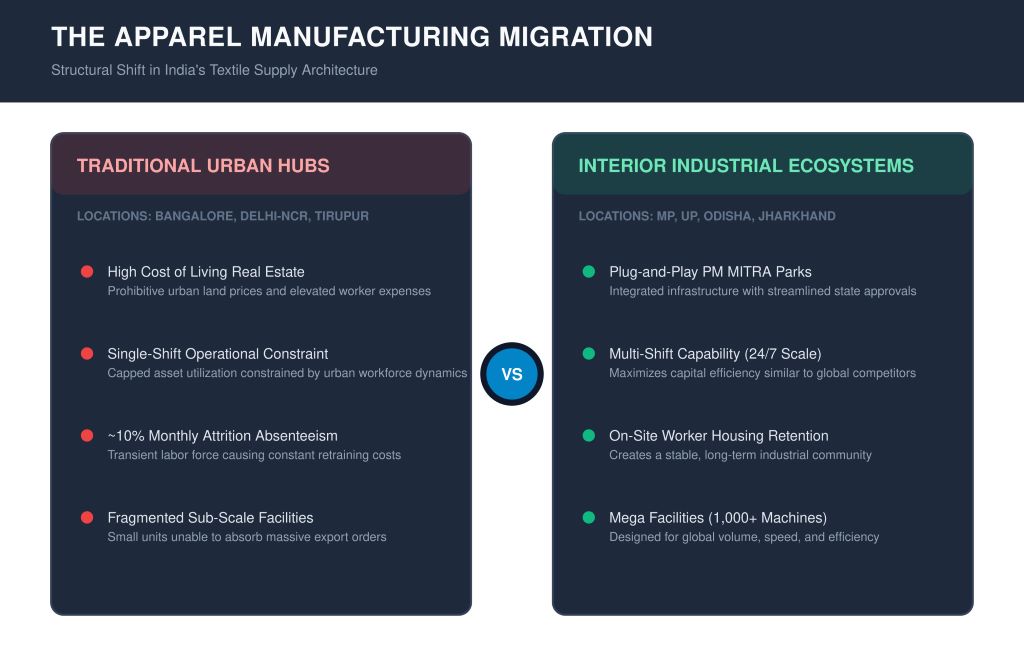
Breaking the Urban Wall: How the interior migration is redrawing India’s apparel…
For decades, India’s garment manufacturing sector has been bound to its traditional strongholds; Bangalore, Delhi-NCR, and Tirupur. Yet, inside the... Read more
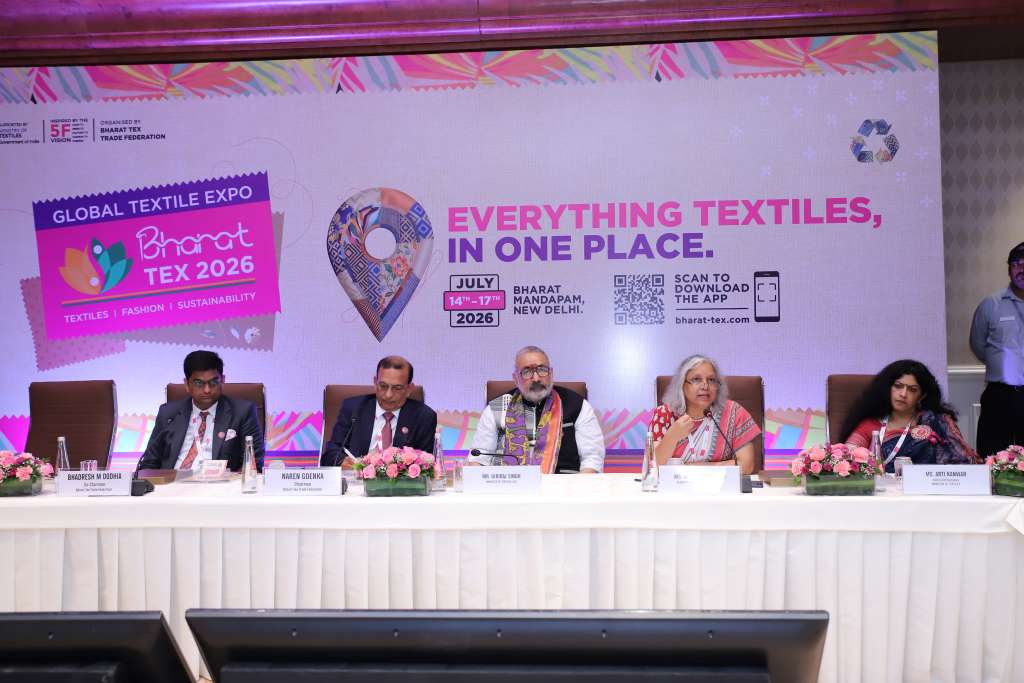
Industrial Spirits and Global Mandates: How India’s textile sector plans to capt…
The global textile value chain stands at a generational crossroads. Against this backdrop, the Bharat Tex Roundtable—convened under the theme... Read more
The New Green Silk Road: Lyocell could transform India’s textile trade
The European Union's Ecodesign for Sustainable Products Regulation (ESPR) is forcing apparel companies to rethink raw material sourcing, reducing dependence... Read more