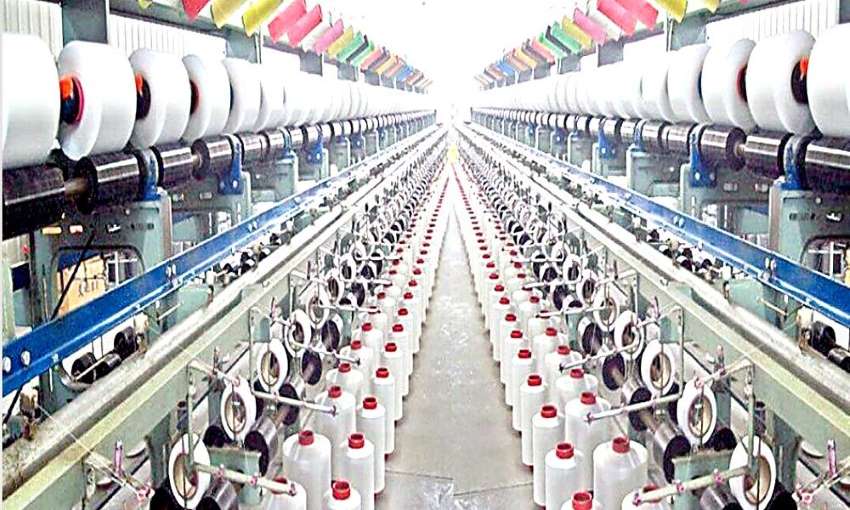
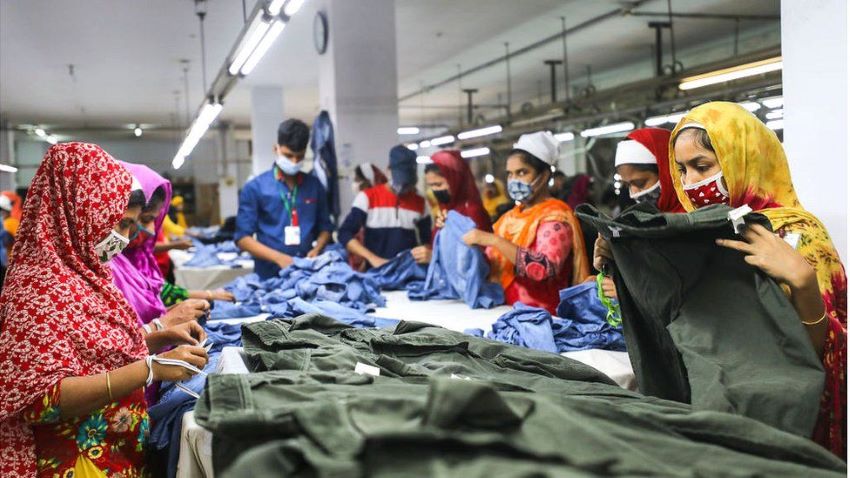
India's export of textiles and garments may decline by 40 per cent in the following months. The Coronavirus has halted shipments. The spread of the virus, especially in the United States, and leading markets of Europe like Spain, Portugal, Italy and even the United Kingdom has led to cancellation/deferment of orders on a very large scale. Buyers and major retail shops importing home textiles from India have put further business on hold. Exports of cotton yarns and fabrics have virtually come to a standstill. Besides affecting order flows, this could potentially result in the renegotiation of realisations as well as an elongated receivables cycle for the exporters.
Urgent policy interventions/support are needed in order to provide fiscal relief and ensure credit flow with an extension of the Remission of State and Central Taxes and Levies (RoSCTL) scheme to cotton yarn and fabrics so that India’s competitiveness is enhanced at a time of falling markets. Also, there is a need to extend the interest subvention of three per cent beyond March 31, 2020, and also cover cotton yarn within that to ease the financial burden. A relief package is urgently needed. Demand for textile products and domestic sales have also come to a grinding halt.
- 1
- 2
- 3
- 4
- 5
- 6
- 7
- 8
- 9
- 10
Zombie inventory and shrinking margins inside China’s fashion returns meltdown
China’s digital fashion market, long celebrated as the world’s most sophisticated test bed for e-commerce innovation, is facing a destabilising... Read more
Circularity by Design: How EU rules are turning data into fashion’s new currency
The European fashion sector has entered a compressed transition window. Two regulatory confirmations: the revised EU Textile Labelling Regulation (effective... Read more
The Lyst Reset: Chanel and Dior rewrite luxury’s power index
The global luxury hierarchy has been quietly rewritten, and not by sales alone. In Q1 2026, Chanel rose to the... Read more
Inventory, not expansion, defines winners in global apparel
The 2025 fiscal year has crystallised that revenue growth and operational health are no longer moving in tandem. In an... Read more
From growth-at-all-costs to cash discipline, the new economics of DTC fashion
The global direct-to-consumer apparel market is entering a correction phase, as fashion brands across the US, Europe and the UK... Read more
Britain’s Forgotten Growth Engine: Why policy gaps are undermining fashion and t…
Britain’s fashion and textile industry, often framed through the lens of creativity and design, is emerging as a case study... Read more
Beyond price rallies structural reform can strengthen India’s cotton economy
India’s cotton economy is entering a decisive phase, where firmer prices and tighter arrivals in the 2026-27 season have given... Read more
Polyester volatility redraws India’s textile industry competitive map across Asi…
India’s synthetic textile industry has entered a phase of cost instability as polyester staple fibre (PSF) prices rise across domestic... Read more
The £7 Billion Question: Who pays for fashion’s ‘free rental’ habit?
The global fashion industry is facing an uncomfortable paradox: its most valuable customers may also be its most destructive. A... Read more
India, China Bangladesh face fresh headwinds as global apparel markets rebalance
Global apparel trade is entering a more uneven recovery phase, with demand growth persisting but losing uniform momentum across major... Read more