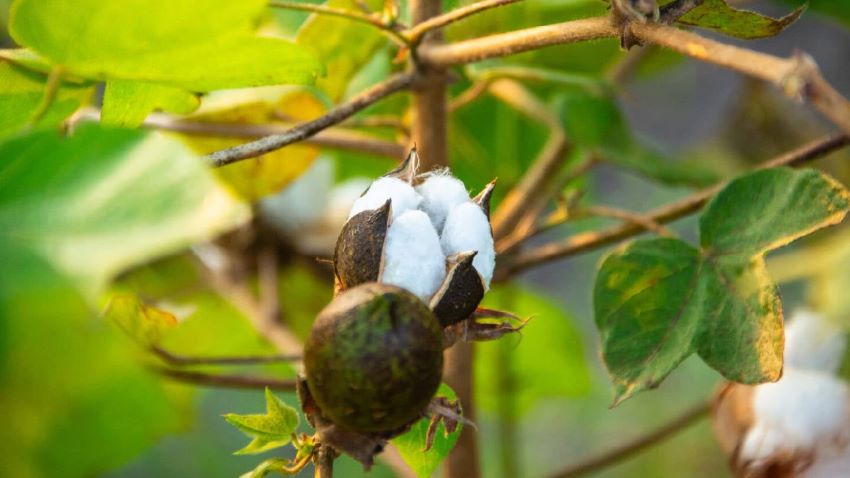
Andhra Pradesh will inspect fields planted with an unapproved variety of genetically modified seeds developed by Monsanto. Farmers have already planted 15 per cent of the cotton area in the state with Bollgard II Roundup Ready Flex (RRF).
Bollgard II RRF is a proprietary technology owned by Monsanto, the world’s biggest seed maker. Bollgard II RRF is known for its herbicide-tolerant properties. Monsanto last year withdrew its application seeking approval from the regulator, Genetic Engineering Appraisal Committee, for this variety. When the US company withdrew the application last year, it was in the final stages of a lengthy process that included years of field trials.
There’s a fear that some seed companies, while suppressing their real intent of profiteering, are attempting to illegally incorporate unauthorised and unapproved herbicide-tolerant technologies into their seeds. The illegal sale of seeds violates India’s environmental protection rules. It’s estimated that 3.5 million packets of such seeds were sold this season. Gross misuse of patented and regulated technologies may pose numerous challenges to India's cotton ecosystem.
New Delhi approved the first GM cotton seed trait in 2003 and an upgraded variety in 2006, helping transform India into the world’s top producer and second-largest exporter of the fiber.
- 1
- 2
- 3
- 4
- 5
- 6
- 7
- 8
- 9
- 10
The €11 bn deadlock, can Europe’s textile recycling catch up?
Europe is at a tipping point. Fast fashion consumption, led by rising incomes and a growing global middle class, has... Read more
From field to fiber, Bharat CottonNet is closing India’s cotton value gap
India’s cotton economy is entering a decisive phase of reform with the rollout of Bharat CottonNet 2026 along with the... Read more
US apparel imports drop 13.5% as Vietnam gains and China’s grip breaks
The US apparel sourcing market has entered 2026 with a sharp demand decline but an equally important shift in supplier... Read more
H&M finds growth below revenue line as margin discipline pays off
H&M Group’s latest quarter signals a decisive shift in global fast fashion: scale is no longer the primary reason for... Read more
As Europe cuts orders, India sees a rare export window post-FTA
The sharp dip in EU apparel imports is not, at first glance, the kind of headline exporters celebrate. January’s 15.48... Read more
The Death of the "Stockpile" Model: Inside the Digital Textile disrupt…
For decades, the global textile industry has been a game of high-stakes gambling: manufacture thousands of identical garments, ship them... Read more
Fuel crisis, rising costs the geopolitical shockwave hitting Indian textiles
The hum of textile machinery in Panipat has gone dead. Over 400 dyeing units have put their shutters, not because... Read more
Price wars, fast fashion, diamond money leads to Surat’s industrial shake-up
The sound of Surat’s diamond polishing wheels, once the city’s heartbeat, is fading. In its place, the relentless pulse of... Read more
India’s textile market nears Rs 15 lakh cr as domestic demand rewrites growth
India’s textile and apparel economy is no longer being driven merely by population growth or festive consumption cycles. It is... Read more
China Discounts, Bangladesh Bleeds: Inside Europe’s new apparel sourcing crisis
Europe’s fashion imports opened 2026 with a hard jolt. Fresh Eurostat-linked trade data for January shows the European Union’s apparel... Read more