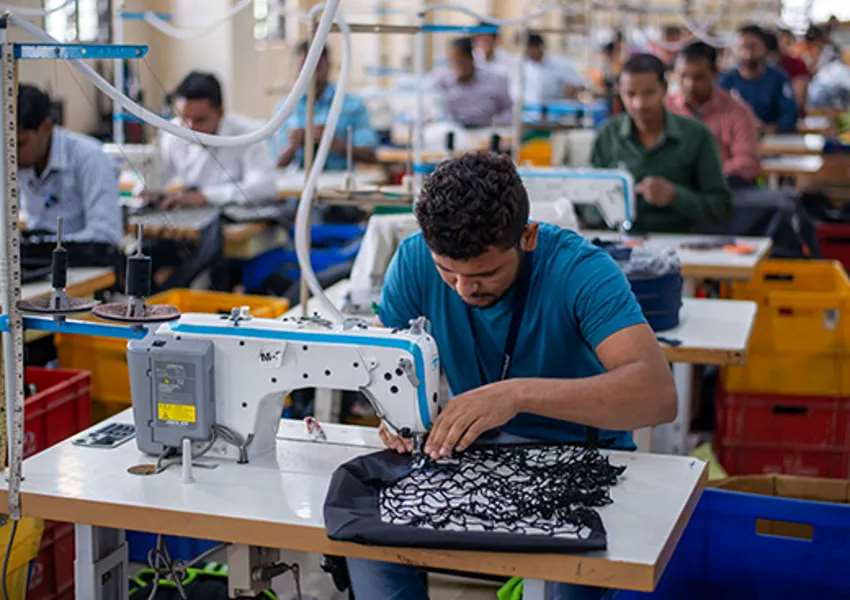
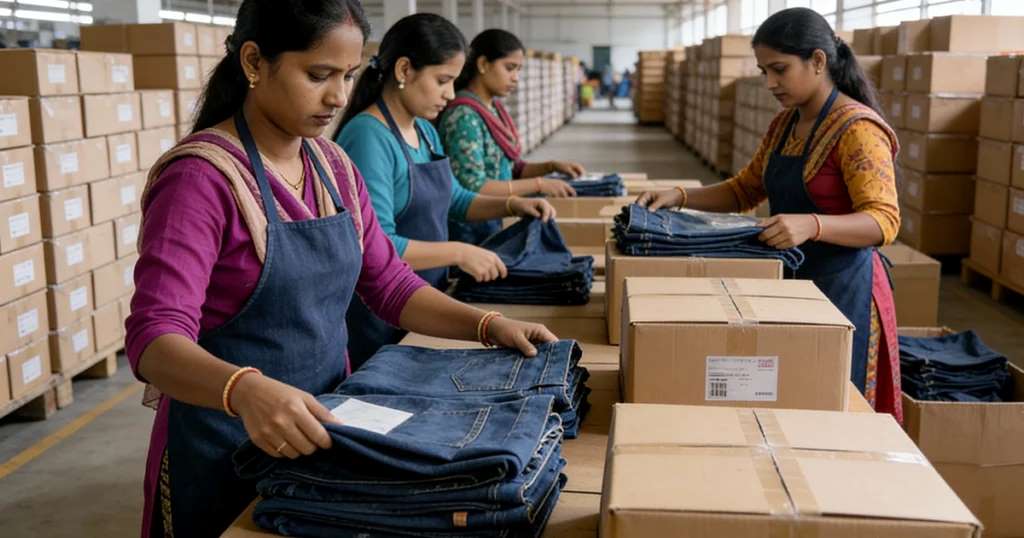
India will help develop the textile industry of Afghanistan. A MoU has been signed to focus on expansion of business and cooperation in the field of textiles, clothing, cotton, man-made fiber and handlooms. India will assist in skill development, research and development, technical collaboration in product development and manufacturing, testing and certification and organize joint trade missions for mutual collaboration.
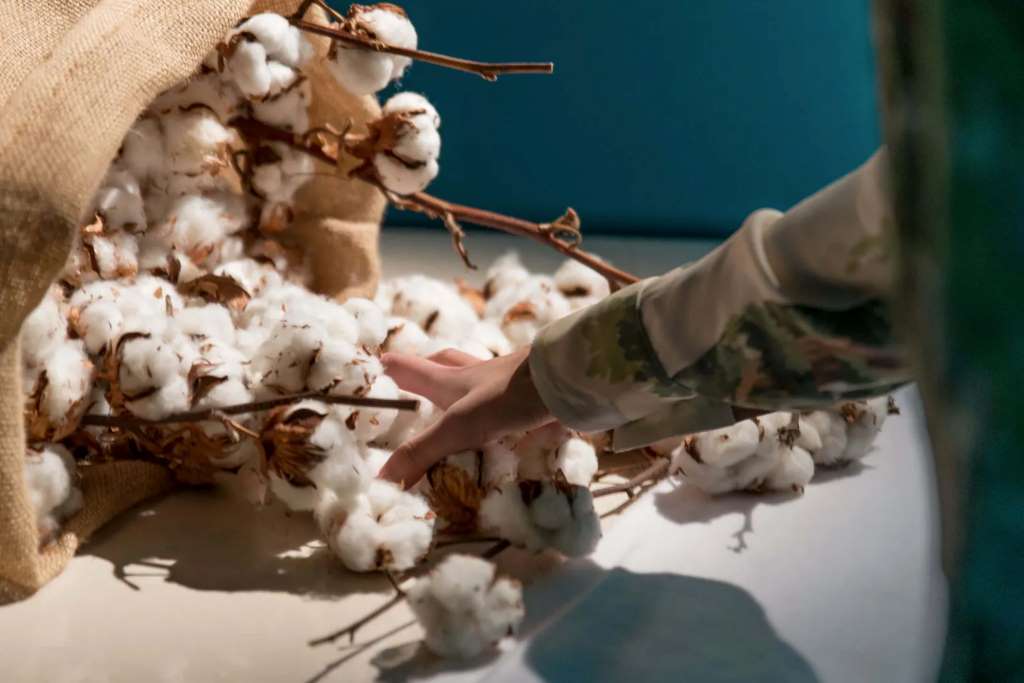
Afghanistan has a huge potential for development of the textile industry since the country is endowed with rich quality of cotton, silk and cashmere and this sector is a good source for jobs and employment. India has been one of the main donors to Afghanistan contributing over $2 billion in reconstruction projects in the country following the fall of the Taliban regime in 2001.
India’s investments in the textile sector can turn Afghanistan into a country exporting textiles. Afghanistan once had a vibrant textile industry, employing thousands of workers. Today, there is no textile manufacturing in the country. The textile industry is a potential growth market for Afghanistan. It can expand economic opportunities for women entrepreneurs. It’s possible to develop textile trade hubs with an emphasis on high value added products. The country is endowed with high quality raw materials as well as low production costs which give it a competitive edge.

- 1
- 2
- 3
- 4
- 5
- 6
- 7
- 8
- 9
- 10
EU textile labeling crackdown exposes apparel supply chain compliance risks
The European apparel industry is facing a major compliance challenge after a coordinated market surveillance exercise by the European Commission... Read more
Can Surat overcome raw material volatility to become a global MMF hub?
Surat remains the undisputed heart of India's man-made fibre (MMF) textile industry. The Gujarat cluster produces nearly 65 per cent... Read more
Emerging markets redraw the global fashion spending map
The global apparel industry is facing a geographic realignment as rising middle-class in developing economies reshape consumer spending patterns. New... Read more
Shrinking cotton harvest puts global textile supply chains under pressure
The global textile industry is heading into another challenging procurement cycle as falling cotton production and shrinking cultivation areas threaten... Read more
Global Sourcing Expo Sydney 2026 reports 20% growth in attendance
The Global Sourcing Expo Sydney 2026 has officially concluded, marking a watershed moment for Australia’s textile and apparel trade sector.... Read more
Bharat Tex 2026: Setting the global standard for textile commerce and innovation
As the industry prepares for a major milestone, Bharat Tex 2026 is set to strengthen its position as the premier... Read more
UK fashion sourcing shifts south as Bangladesh overtakes China
The UK’s apparel sourcing has seen a realignment in recent years, as retailers increasingly diversify production away from traditional East... Read more
Why European consumers are spending more but buying less fashion
For much of the last two decades, the European fashion industry operated under the assumption that rising consumer wealth would... Read more
Why US apparel prices defied inflation while product quality improved
As inflation reshapes nearly every aspect of American household spending, one consumer category continues to stand apart. Housing costs have... Read more
The Resale Revolution: Vinted’s marketplace model reshapes European retail
The French fashion market has reached a turning point. In a development that highlights the growing influence of circular commerce,... Read more