As the Indian T&A sector navigates a challenging 27 per cent Y-o-Y decline in exports to the United States, the upcoming implementation of the India-UK Comprehensive Economic and Trade Agreement (CETA) on July 15, 2026, arrives as a critical strategic opportunity. This trade pact is expected to provide an immediate boost to price competitiveness by eliminating duties of up to 10 per cent across nearly all garment and textile product lines, effectively removing the tariff handicap that has long favored regional competitors like Bangladesh.
Navigating the transatlantic downturn
The sharp contraction in US-bound shipments reflects a combination of aggressive inventory corrections and the lingering effects of historical tariff volatility. Industry data indicates, while US buyers are beginning to re-engage following the removal of penal tariffs earlier this year, the recovery has been tempered by cautious consumer spending. When demand compresses at the top of the chain, no amount of duty advantage saves you, observes Sanjay Jain, Managing Director, TT Ltd. For many Indian manufacturers, the shift to the UK market represents a necessary diversification strategy to mitigate the risks associated with an over-reliance on the US retail segment.
Catalyzing long-term export growth
The CETA agreement is projected to catalyze a transformation in India’s export architecture, with industry bodies like CITI anticipating a 10–12 per cent growth rate in UK trade over the next three years. This optimism is bolstered by early indicators of UK importer positioning, with significant volume increases already noted in categories such as trousers, shirts, and technical textiles. Beyond mere duty relief, the pact serves as a catalyst for upgrading the domestic value chain. To capitalize on this, exporters are increasingly aligning their production with European sustainability standards and digital traceability requirements. By pivoting toward the UK’s $19.8 billion clothing market, Indian firms are aiming to transition from cost-sensitive suppliers to preferred partners in the global apparel supply chain.
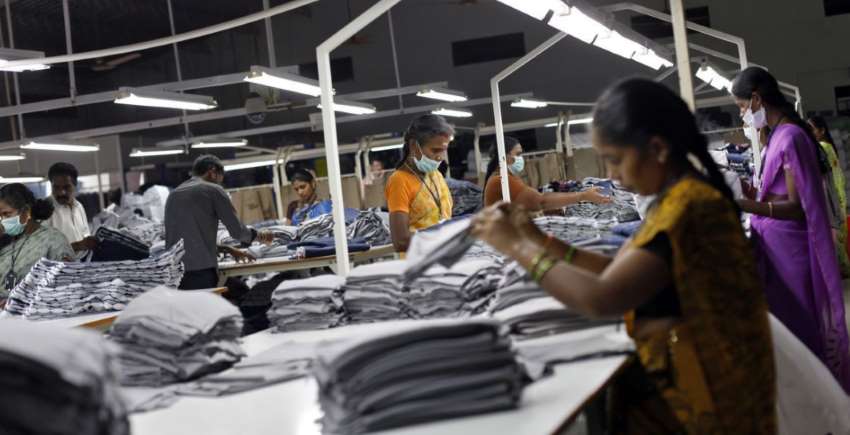
A cornerstone of the national economy, the Indian textile and apparel industry contributes approximately 2 per cent to GDP and 11 per cent to manufacturing GVA. It serves as a major employer, particularly for women. The sector is currently transitioning from a traditional production base toward high-value, sustainable, and technical textile manufacturing to boost global market share.