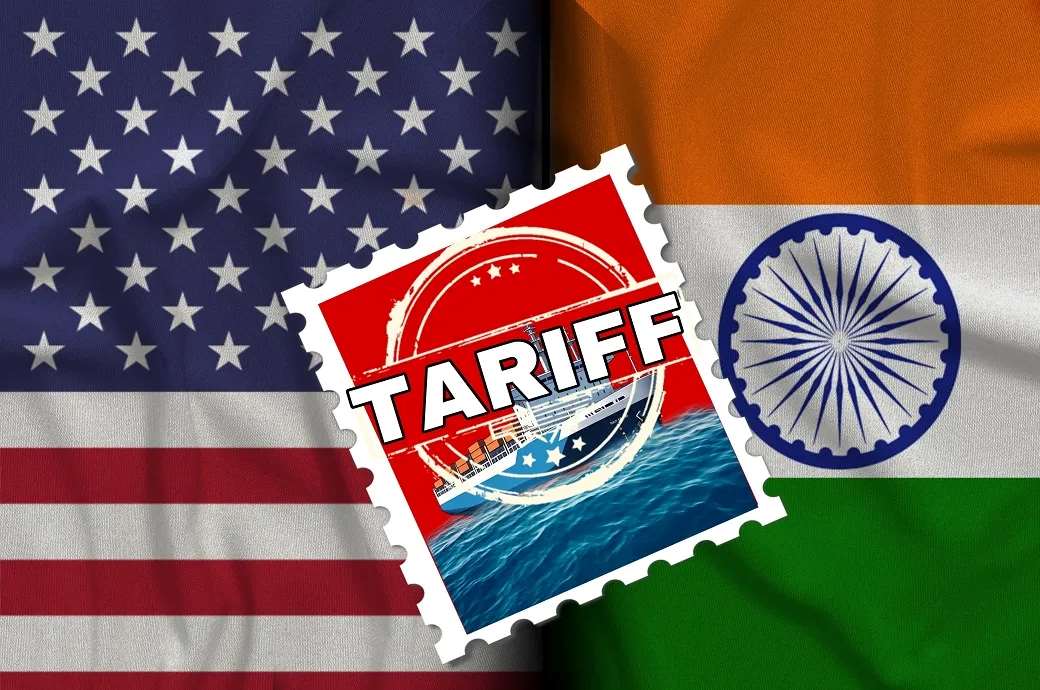
The Apparel Export Promotion Council (AEPC) has officially endorsed the Government of India’s newly operationalized ‘Export Promotion Mission,’ a comprehensive framework designed to insulate the $179 billion textile and apparel sector from global volatility. Launched on February 20, 2026, the mission introduces a ‘360-degree support’ system, targeting critical bottlenecks in raw material procurement and logistics. This initiative arrives at a decisive moment as the industry navigates the aftermath of 2025's global trade shifts and seeks to capitalize on the termination of the 25 per cent additional U.S. tariff on Indian imports. By providing an interest subvention of up to 5 per cent for MSME exporters, the mission aims to lower borrowing costs and stabilize liquidity for small-scale suppliers currently competing in an ultra-competitive global landscape.
Capitalizing on the "Mother of All Deals"
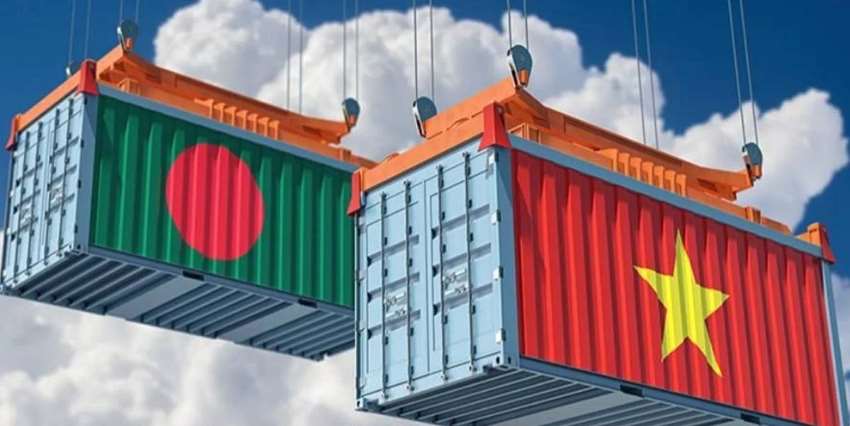
With the landmark India-European Union Free Trade Agreement (FTA) operationalized in early 2026 and the India-UK FTA nearing implementation, Indian manufacturers are poised to gain zero-duty access to the world’s most lucrative apparel markets. Currently, Indian textile exporters face a 10–12 per cent duty in the EU, placing them at a disadvantage compared to duty-free competitors like Bangladesh. The Export Promotion Mission provides the ‘just-in-time’fiscal support required for rapid technological upgradation and compliance with the EU's 2027 Digital Product Passport (DPP) mandates. Dr A Sakthivel, Chairman, AEPC, notes, these trade deals, combined with the mission’s branding and marketing incentives, offer a unique window for India to scale its manufacturing and reclaim its historical status as a premier global sourcing hub.
Modernization and the 2030 vision
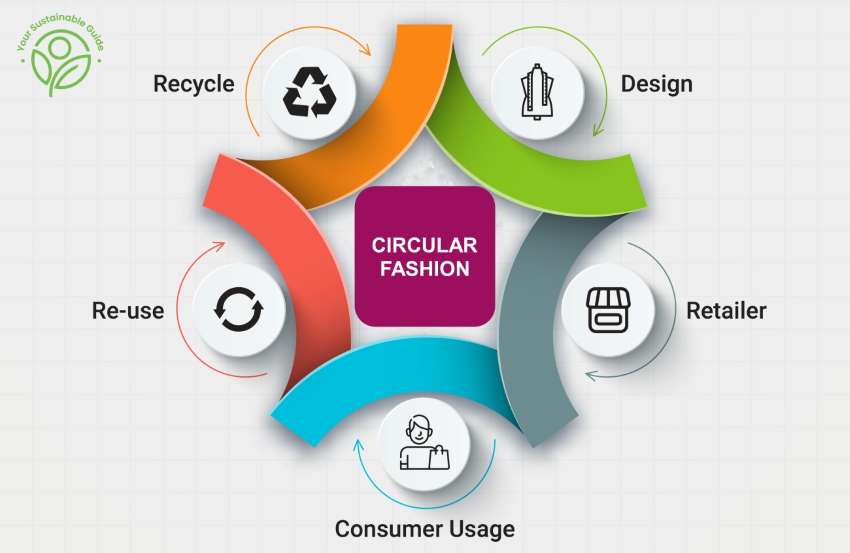
The mission aligns with the broader ‘Textile Expansion and Employment (TEEM) Scheme,’ focusing on the modernization of weaving and garmenting clusters. As the global apparel market is projected to grow at a CAGR of 3.3 per cent through 2034, India is targeting a disproportionate share of this growth by transitioning toward high-value, sustainable segments. The government’s ‘Tex-Eco Initiative’is further integrating circularity into production, helping Indian brands meet the rising demand for ESG-compliant apparel in Western markets. While challenges such as rising domestic costs and supply chain bottlenecks remain, the integrated approach of the 2026 mission provides a robust roadmap for achieving the industry’s ambitious $100 billion export target by 2030.
The Apparel Export Promotion Council (AEPC) is the official body representing Indian apparel exporters globally. It facilitates trade through market intelligence, international fairs, and policy advocacy. Focused on Ready-Made Garments (RMG), AEPC is currently steering India’s $37 billion export sector toward a 10 per cent annual growth target to reach a $100 billion valuation by 2030.