A massive multi-agency enforcement operation in Newcastle has exposed a significant ‘compliance gap’ within the regional textile sector, sending shockwaves through the broader retail landscape. Executed in early February 2026, the raids on approximately 12 garment manufacturers uncovered severe labor law violations, including the employment of dozens of undocumented workers and hazardous factory conditions that posed immediate fire risks.
The retail accountability crisis
The fallout has been immediate for major retail chains, as investigators discovered large quantities of finished apparel labeled for high-profile brands. While these retailers have historically relied on third-party audits, the Newcastle probe suggests that ‘staged compliance’ fronts are becoming increasingly sophisticated. Industry data indicates, the UK textile sector faces a £4 billion productivity loss annually due to such illicit activities and labor vacancies. Deputy Minister Alexandra Abrahams emphasized that industrial growth cannot be predicated on illegality, calling for ‘meaningful due diligence’ rather than just reliance on administrative oversight.
Tech-driven deterrence and resilience
To combat the rise of these ‘shadow factories,’ the industry is accelerating the adoption of Digital Product Passports (DPP) and blockchain-based traceability. Under the UK Textiles Pact Roadmap 2026-2030, manufacturers are now required to align with eight new circularity indicators to ensure ethical labor standards. This shift is critical as the domestic market enters a bullish period, with orders rising by 20 per cent, yet recruitment intentions are faltering due to rising employment costs. By integrating AI-driven demand forecasting and RFID tracking, compliant manufacturers aim to out-compete illicit operators, securing a supply chain that prioritizes human rights over predatory margins.
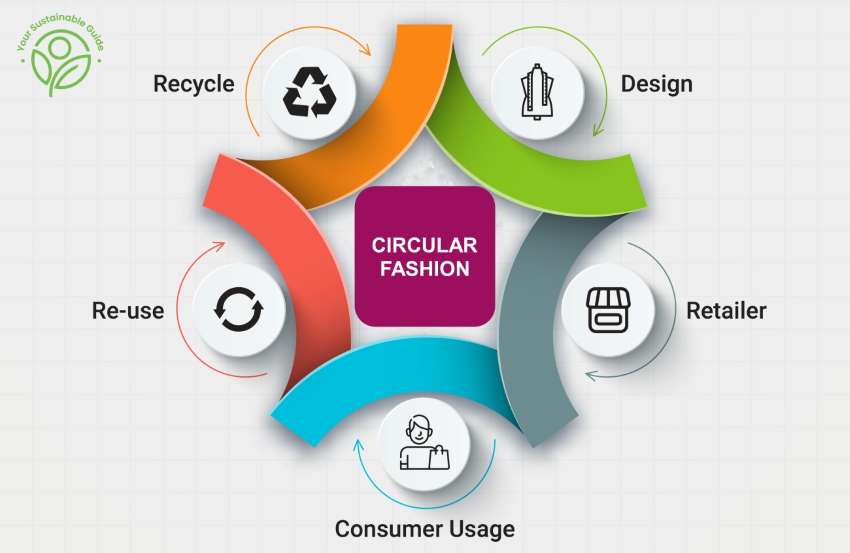
Newcastle serves as a historic hub for the clothing and textile value chain, specializing in fast-fashion apparel and technical uniforms. Currently, the region is undergoing a transition toward circular manufacturing under the R-CTFL Masterplan. Despite a 0.5 per cent growth forecast for 2026, the sector faces challenges from non-compliant entities that distort competition and undermine the integrity of the £64 billion domestic textile shipments. The enforcement actions highlight a systemic shift toward mandatory transparency as the UK pushes for a more resilient and ethical manufacturing base.