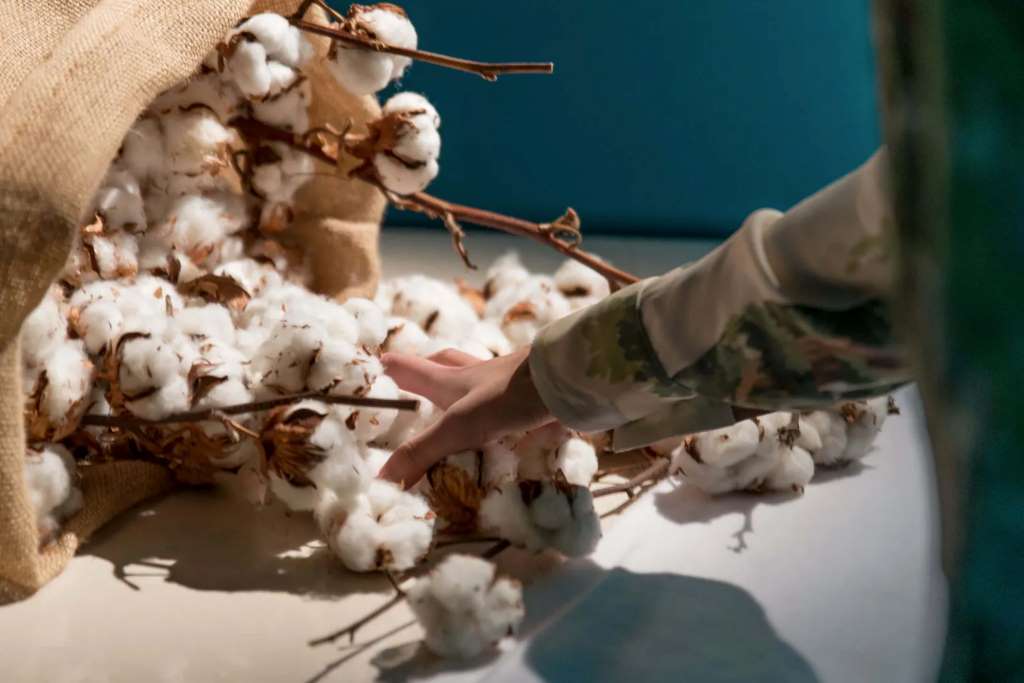
The concept of naturally-coloured cotton is again gaining momentum with the directives of the Prime Minister’s Office (PMO) to concerned officials for promotion of coloured cotton. Taking a cue, Dharwad-based University of Agricultural Sciences (UAS) has started the mission by organising a meeting of the sub-group on this issue. It is pertinent to note that the first naturally-coloured cotton genotype of India, DDCC-1 (G. arboreum) is a significant example of genetic improvement in fibre colour and it is now under cultivation in this region. Biotechnological research at UAS Dharwad has led to substantial progress in incorporation of Bt genes into cotton genotypes of commercial importance.
D P Biradar, Vice-Chancellor, spoke about the achievements and research at the university on naturally-coloured cottons from the1990s. He stressed on the need to create new colours and mitigate the dangers of contamination due to pollen transfer which require intensive genetic engineering tools. The university had an agreement with a cotton growers’ co-operative society at Uppinabetageri in Dharwad district where seeds of coloured-cotton were given, farmers were trained and the sangha marketed the finished fabric. This activity has to be revived and the present meeting can deliberate on these issues, Biradar added.
P Nayak, Secretary, Textiles Committee, said that a synergy is required from all stakeholders in reaching a zero-defect product which is sustainable. Value-addition to the colour-cotton in terms of industry involvement and exports are being considered for funding it in a pilot project mode. According to Director at Central Institute for Cotton Research (CICR), Nagpur, Professor Kranthi, research has been going on in improving the fibre properties and yield of colour-cotton. Hybrids can also be thought of, he said.
In a detailed presentation, B M Khadi, Director of Research at UAS, said research on colour-cotton in UAS had culminated in joint ventures with co-operative societies. The first colour-cotton variety from the university recommended the release of DDCC-1. Germplasm (a term used to describe living genetic resources such as seeds or tissue, maintained for the purpose of breeding, preservation, and other research uses) with desirable traits were available at the UAS Dharwad and it can serve a network research program.
Saturday, 28 February 2015 12:01