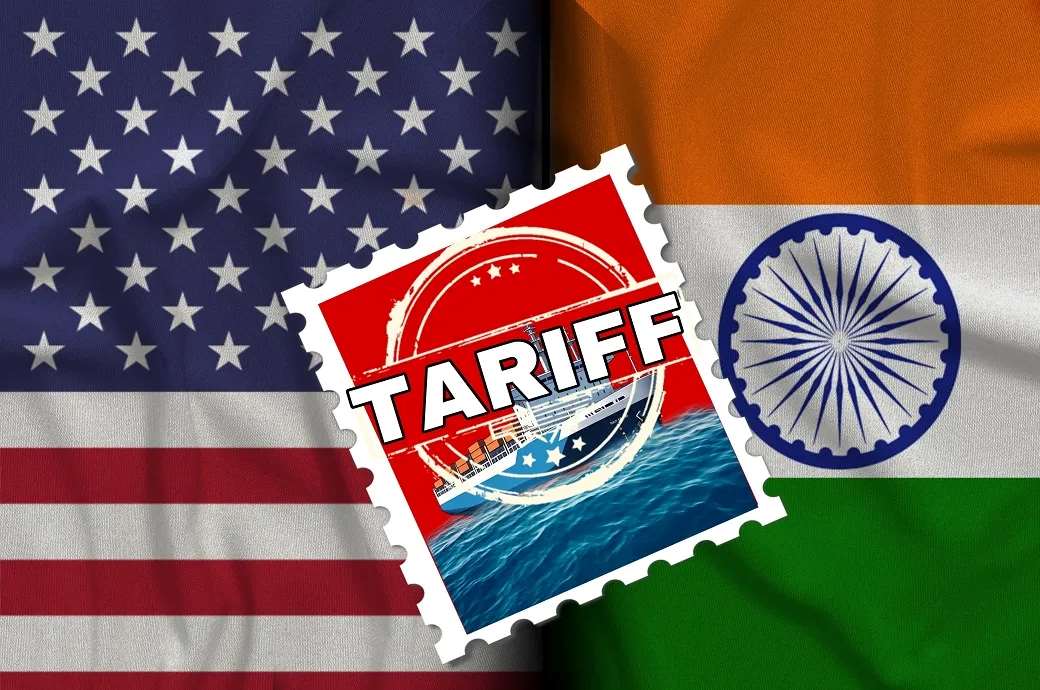
American businesses want Chinese textiles to be added to the tariff roster. The National Council of Textile Organizations (NCTO) is pleased that some textile products are on the second list but feels there would be a greater deterring effect if more textile and apparel end products were included.
The NCTO has been pushing for these tariffs for some time now. It cites China's predatory, illegal trade actions, including intellectual property rights theft, with the loss of hundreds of thousands of manufacturing jobs in the textile industry. NCTO says, China's domination of the global textile market can be attributed in part to intellectual property theft.
China is said to have gained pricing advantages through blatantly illegal activities, from the violation of patents on high performance fibers, yarns and fabrics to the infringement of copyrighted designs on textile home furnishings. NCTO believes, putting tariffs on Chinese textile and apparel exports would send a long-overdue signal that these predatory actions will no longer be tolerated.
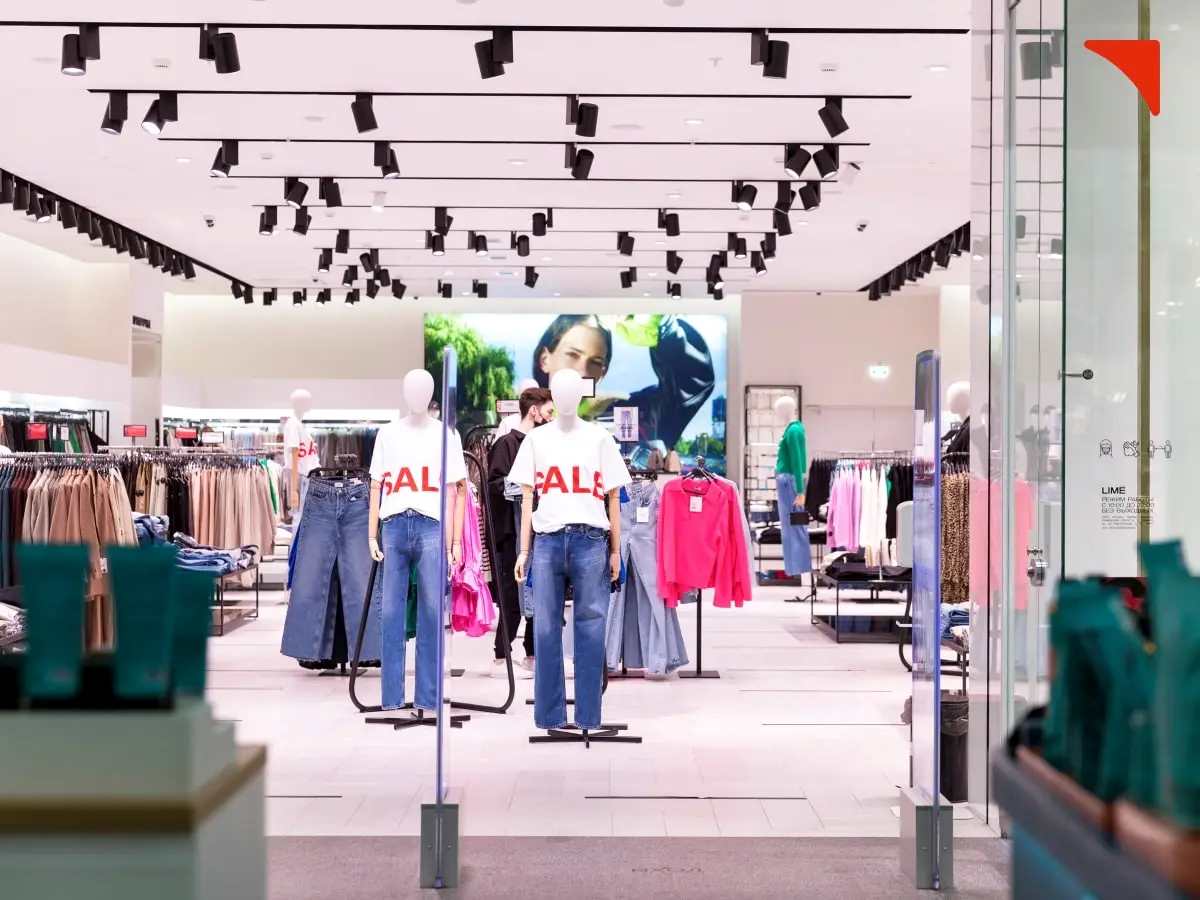
If textiles and clothing are added to the list, this could greatly affect the promotional apparel industry. Currently, the apparel industry has been left largely unaffected by the proposed tariffs. But a textiles inclusion could lead to price increases on Chinese-made apparel, forcing promotional products distributors and suppliers to either absorb the costs or pass them on to end buyers.
- 1
- 2
- 3
- 4
- 5
- 6
- 7
- 8
- 9
- 10
Intertex Milano 2026 - A global nexus for textile innovation
Intertex Milano is set to return this summer, confirming its status as a premier international destination for the textile and... Read more
Primark at crossroads as AB Foods weighs spin-off amid digital and Lefties press…
The long-standing supremacy of Europe’s budget fashion champion, Primark, is facing a test. As of February 2026, Associated British Foods... Read more
Vietnam, Bangladesh, Cambodia drive US apparel imports in 2025
The 2025 year-end data for the US apparel sector reveals an industry in structural flux. Despite aggressive tariff measures and... Read more
The New Dress Code: Sportswear’s takeover of modern wardrobes
For much of the last decade, fashion retail has been defined by volatility. Trends have shortened, discount cycles have intensified... Read more
Hemp finds its moment in India’s $500 billion American trade calculus
In the grand arithmetic of India’s expanding trade engagement with the US, the headlines usually gravitate toward oil cargoes, aircraft... Read more
EU PET spunbond imports under scrutiny, misclassification sparks regulatory and …
The European nonwovens and technical textiles sector is facing an unprecedented compliance crisis as a rise of customs misclassification threatens... Read more
From atelier to algorithm, Gucci is redefining premium marketing
As Milan welcomes the Primavera 2026 fashion calendar, the spotlight is fixed not just on the runway but on Gucci,... Read more
America’s Store Split: Why discount retailers are winning as department stores s…
By early 2026, the American retail industry no longer resembles a single marketplace moving in one direction. It feels more... Read more
Europe’s Textile Crisis: The sovereign fibre trap and the race against China
By early 2026, the European textile and apparel sector finds itself at a crossroads that challenges traditional market logic. Unlike... Read more
A 50-Day Voyage: How Middle East conflict is repricing every shirt Asia ships to…
The global textile industry has always lived with thin margins, long lead times, and unforgiving working-capital cycles. But the latest... Read more