

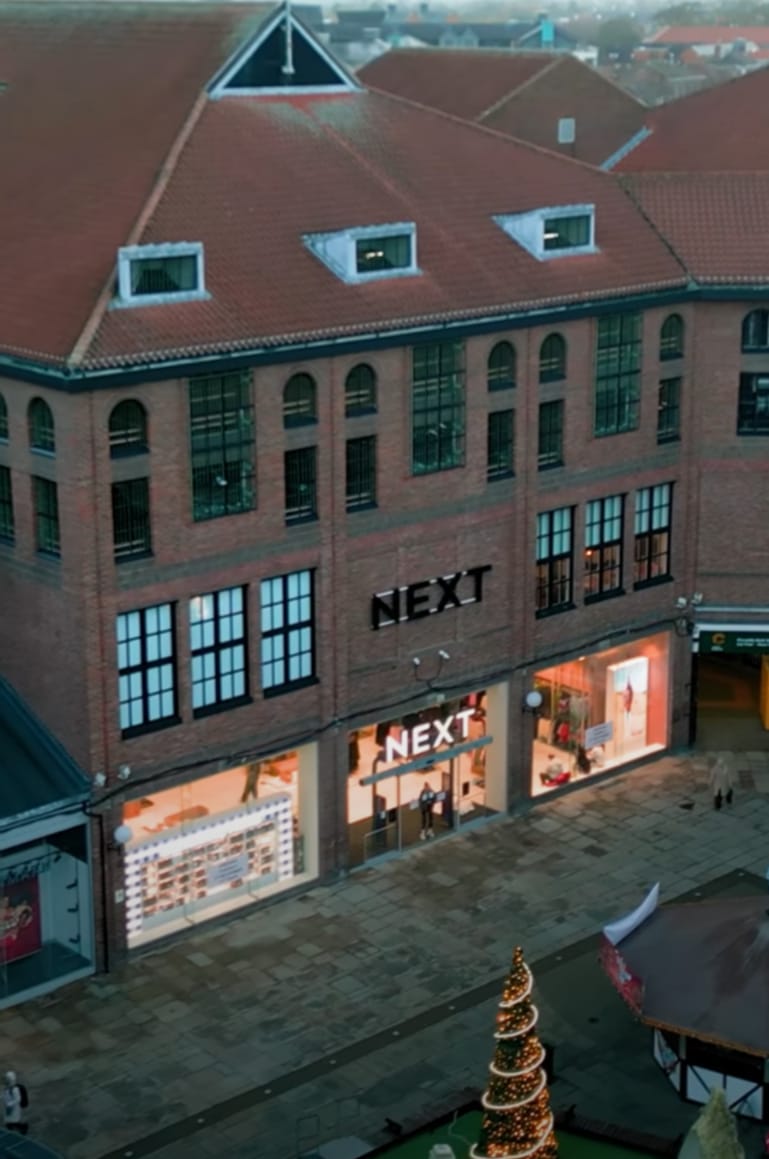
Next is overhauling its brick-and-mortar strategy, with its upcoming York store opening tracking significantly ahead of schedule. The retailer is moving away from traditional slow-burn merchandising, instead deploying a high-precision strike team of regional leads to condense the setup phase. This operational speed is backed by a new technical blueprint designed to bridge the gap between physical browsing and digital fulfillment. By integrating a dedicated stock-to-parcel hub directly within the store footprint, Next is positioning the York site as a dual-purpose asset: a premium showroom and a high-speed distribution node.
Precision merchandising and logistics integration
The York project serves as a live case study in clinical operational efficiency. Beyond the visual standards of the sales floor, the site is being built to handle instant customer service requests through a streamlined stock management system. This shift addresses a critical retail pain point: the friction between back-of-house inventory and front-of-house availability. Data from recent retail sector reports suggests that stores utilizing integrated hub models see a marked increase in full-price sales density, as stock turns over faster and local click-and-collect windows shrink. By treating merchandise with a ‘clinical level of care,’ Next aims to eliminate the traditional ‘opening week chaos,’ ensuring the brand’s premium apparel and home lines are presented without the typical logistical lag.
Scaling the omni-channel blueprint
The York expansion reflects a broader trend where major retailers are reinvesting in ‘super-hubs’ to combat rising logistics costs. This move places Next at the forefront of the retail recovery, demonstrating how localized management autonomy can accelerate large-scale rollouts. While competitors struggle with inventory bloat, Next’s aggressive merchandising timeline suggests a lean, data-driven approach to stock allocation. If successful, this high-velocity model will likely become the standard for the company’s future UK footprint, turning physical stores into the most efficient link in their global supply chain.
Operational pedigree and market dominance
Founded in 1864 as a tailor and transformed into a modern retail powerhouse in the 1980s, Next PLC operates over 500 stores across the UK and Eire alongside a massive global online presence. The Group consistently outperforms the high street, recently raising its annual profit guidance toward the £1 billion mark. With a focus on expanding its third-party "Total Platform" and acquiring stakes in premium brands, Next is evolving into a diversified retail conglomerate. Their strategy prioritizes digital infrastructure and prime physical locations to maintain a dominant share of the UK’s fashion and home markets.










