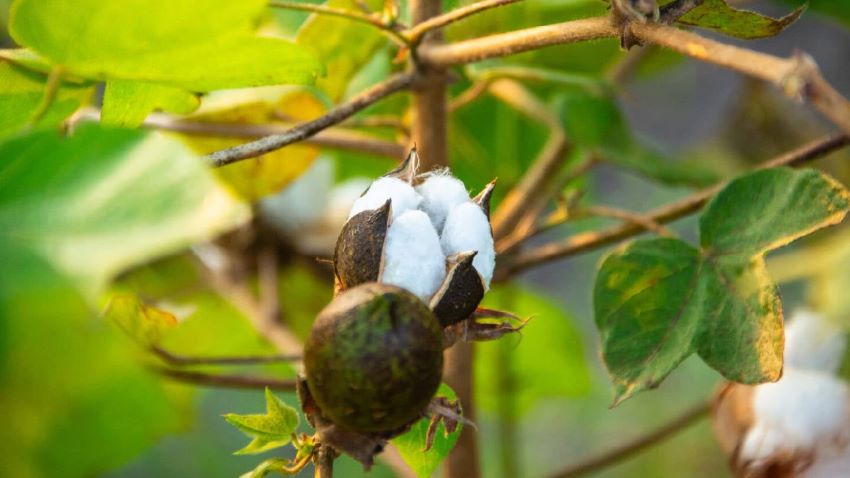
Driven by a projected market valuation of $48.01 billion by 2026, the next-generation natural fibers market is moving beyond traditional cotton and silk toward engineered bio-based alternatives. Materials such as mycelium-derived leather, bacterial cellulose, and regenerated fibers from post-consumer waste are now being integrated into the production cycles of major luxury and performance brands. This shift is substantiated by a 10 per cent increase in sector investment during 2023, even as broader venture capital markets softened, signaling long-term institutional confidence in sustainable raw material.
Regulatory mandates accelerate material substitution
Compliance requirements are increasingly dictating textile sourcing strategies. The European Union’s Ecodesign for Sustainable Products Regulation (ESPR), which bans the destruction of unsold apparel starting in 2026, is forcing manufacturers to adopt circular design principles. Furthermore, proposed legislation like the New York Fashion Act is compelling brands with revenues exceeding $100 million to implement rigorous supply chain mapping. To mitigate these pressures, industry leaders are securing long-term offtake agreements for bio-identical proteins and recycled cellulose, effectively de-risking their portfolios against rising chemical restrictions and potential carbon border taxes.
Manufacturing hurdles and the path to price parity
Despite robust demand, the transition faces significant technical bottlenecks. Approximately 55 per cent of global natural fiber output remains dependent on capital-intensive mechanical processing, which contributes to a 15 per cent waste rate during extraction. Scaling precision fermentation and nanocellulose production to meet industrial volumes requires substantial infrastructure investment. However, firms utilizing in-house manufacturing and controlled inventory cycles are successfully protecting margins against the volatile costs of traditional luxury inputs like high-grade silk and zari. As processing technologies automate, the textile industry anticipates a gradual closing of the price gap between premium sustainable fibers and petroleum-based synthetics.