 In recent times, many brands have either launched new plus size ranges or expanded existing size ranges. Yet, only a few have been able to sustain their offerings due to outdated marketing styles or sizing issues and more, says a report by the Business of Fashion. Coresight Research estimates plus-size women’s clothing sales were worth $28.3 billion last year, or about 21 per cent of the overall market. Yet, brands lack commitment to serve plus size customers, says Marie Denee, Publisher, The Curvy Fashionista Blog.
Additional costs restrict brands’ size expansion
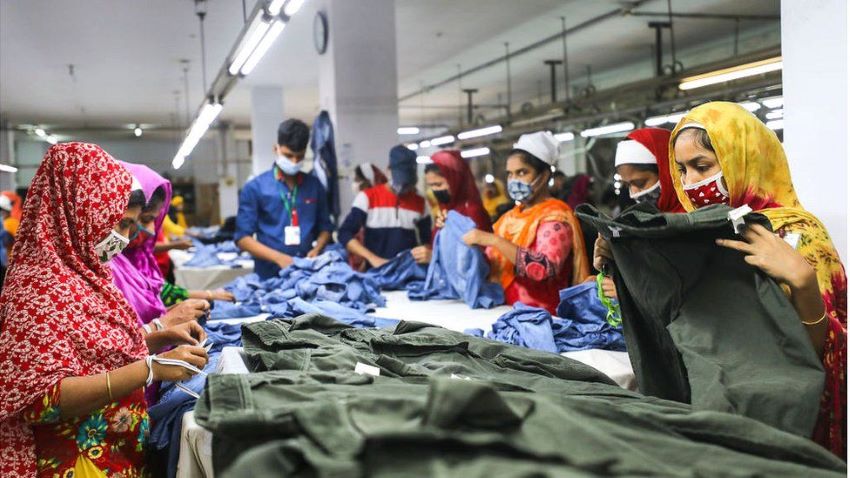
One reason is the additional costs incurred during the making of plus size clothes. This prompts brands to restrict their offerings to only top-selling and highest-margin items, especially during testing times like the pandemic. However, analysts at Edited term this as a short sighted approach as it alienates the next generation of consumers.
In 2018, brand Savage X Fenty launched a new range in 2018 that reached size 22. The brand also cast plus-size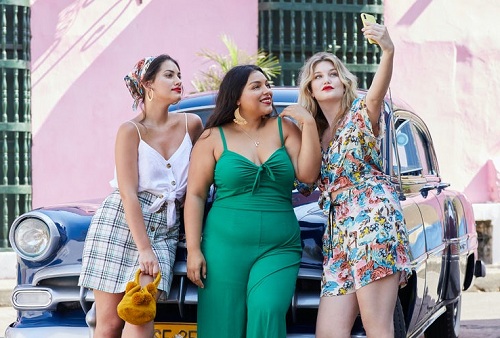 models to promote the collection besides launching a runway show streamed by Amazon. The collection increased the brand’s 2019 revenues to $150 million, though it still did not make profits, wrote The New York Times. Size-inclusive denim brand Good American also recorded $1 million in sales on the first day of its launch and has further expanded into loungewear, shoes and other categories.
However, not many brands received such a warm reception from consumers. Launched in 2014, Mango’s plus-size range Violeta By Mango received a backlash from consumers for its campaign featuring normal size models walking the ramp in plus size clothes.
Being customer-friendly
To launch a plus size range successfully, brands need to ensure the clothes actually fit consumers and are made according to their tastes and preferences. Retailers also need to feature plus-size models in their campaigns, adds Denee. She classifies plus-size as those typically ranging from a US 14 to a US 24, while extended sizing extends up to a US size 40.
Marketing platform Persado advises brands to use phrases such as ‘celebrating your curves,’ to drive sales of their plus-size offerings.
Assets, not liabilities
Brands need to train retail associates to complement their expansion into plus-size offerings. Gap-owned athleisure brand Athleta launched a curriculum to teach retailers the principles of body-positive appropriate language such as words to avoid, reading customer’s body language and assessing comfort level of their customers. The brand now offers up to women’s size 26, or 3X.
Another reason for low sales of plus size fashion is brands’ hesitation in stocking them in stores. Brands neither stock their plus size offerings in stores nor include them in their marketing strategies, physical events or fashion shows. There is a need for brands to look at their plus size offerings as assets rather than liabilities.