Old is gold is what luxury brand retailers are realizing today as they focus on extending the lifetime of pre-used luxury products through second-hand sales. In fact, it is a new and profitable channel within the larger luxury market. Global second-hand luxury goods market is expected to grow at CAGR of 9.4 per cent from 2022-27 as customers prefer high-end fashion apparel and accessories at lower prices. Focus on sustainability and the second-hand market’s capacity to give premium brands a new lease of life within the tighter purse strings of young customers has led to its popularity.
Women buyers drive market
An IMARC study indicates the global second-hand luxury goods market reached $28.3 billion in 2021 and is expected to touch $47.1 billion by 2027. With the consumer base of luxury market having around 400 million consumers in 2022 and expected to expand to 500 million by 2030, many premium branded products will find their way into the second-hand market as customers become more choosy and knowledgeable at each income level.
The outbreak pandemic completely changed global economic and social dynamics and led to increasing demand for various online reliable platforms to buy and re-sell luxury goods of premium brands. This portfolio of pre-loved and pre-owned luxury items include handbags, jewellery, watches, clothing, small leather goods, footwear, accessories, and many others with handbags exhibiting a clear dominance in the market.
And it is out and out women buyers who dominate the global pre-loved luxury goods market as they want to be on-trend whenever and wherever without burning a hole in their pockets.
Most luxury brands offer goods that have an extended warranty period, which makes them suitable for the resale market. Re-selling of these items instead of discarding them after using them a few times is beneficial to both the seller and the new buyer. The pre-used premium goods are also useful in minimizing the dependence on high-quality raw materials for manufacturing new products and reducing waste production levels.
Offline through versatile outlets lead sales
The old-fashioned stigma of wearing and re-use pre-owned apparel and accessories has dissipated as being seen as on-trend and chic at affordable prices has parachuted the sales figures in this market. With younger consumers spearheading this niche segment, both online and offline are doing well. In the online segment, many web resale sites are entering into strategic partnerships and alliances with luxury brands for improving the image of second-hand luxury products by promoting them as pre-loved products ready to be used again by a new buyer.
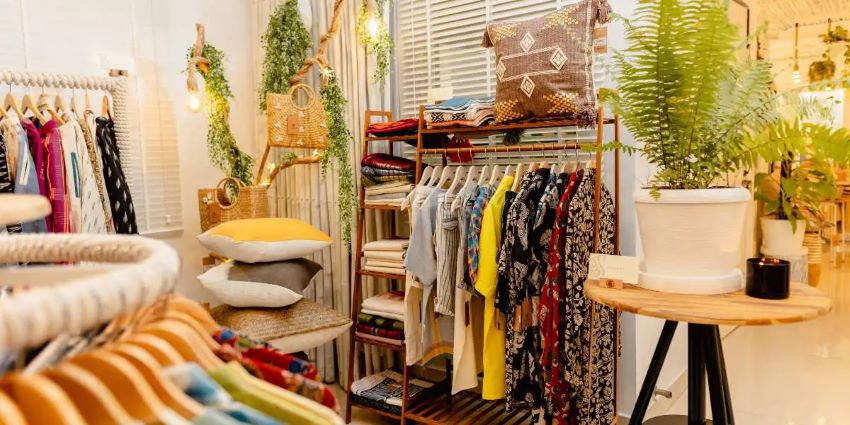
The rising popularity of limited-edition collections and fashion drops has also created a scarcity of certain premium items in the online markets and boosted sales. Currently, offline channel accounts for the majority of total market share as these products are easily found in pop-up stores, markets, bazaar-style fundraisers, privately-owned consignment shops, auctions, charity events, garage sales, and exhibitions among others.
Although the second-hand market still cannot hold a torch to the premium luxury segment, the opportunities are huge. At the regional level, the market has been classified into North America, Europe, Asia Pacific, Middle East and Africa, and Latin America, where Europe dominates.
The global second-hand market has some big players which include: the Fashionphile Group, Fendi, Garderobe, Inseller, Luxepolis, Luxury Closet, Inc., So Chic Boutique, The Closet, TheRealReal, Timepiece360 and Vestiaire Collective among others.
Second-hand is just another choice for the luxury apparel segment as it ticks all the right boxes for sustainability at affordable prices and that’s the way to go for the aspirational middle-class in India and around the globe.