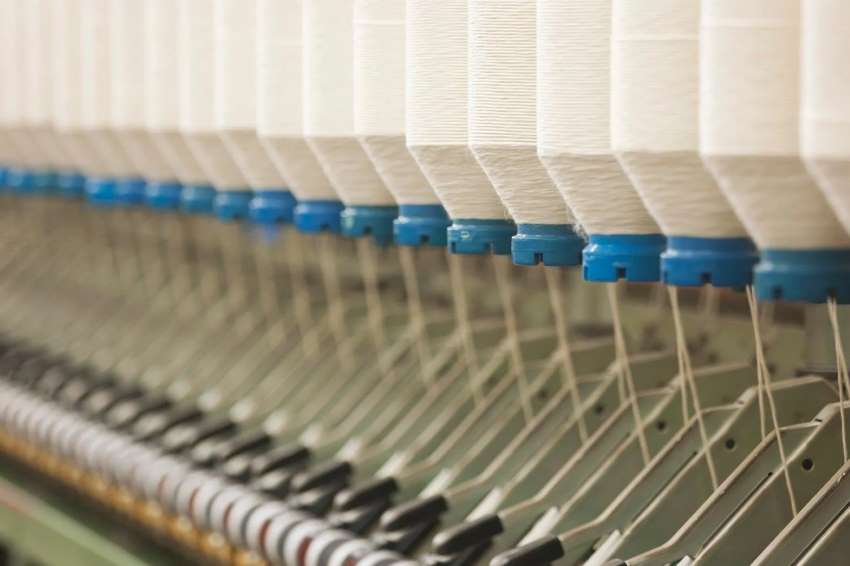
The Ministry of Textiles has initiated a comprehensive nationwide survey to map industrial hubs, a move designed to de-risk the sector ahead of a projected US$ 100 billion export growth by 2030. Gaining momentum as of January 2, 2026, this data-driven initiative aims to identify production bottlenecks in over 50 regional clusters, from the knitwear strongholds of Tiruppur to the looming powerhouses in Surat. By establishing a digital ‘health card’ for each hub, the government plans to synchronize infrastructure investment with real-time manufacturing capacity.
Targeted interventions and export diversification
The survey arrives at a pivotal moment as the government extends the PLI Scheme for Textiles until March 31, 2026, following a robust response in the man-made fiber (MMF) and technical textiles segments. With 91 companies already selected and Rs 7,731 crore in investments committed, the mapping exercise will help direct these funds toward under-utilized rural hubs. Our objective is to move from fragmented production to high-scale, vertically integrated units, states a senior ministry official, emphasizing that the data will be instrumental in leveraging the zero-duty access granted by the India-Australia ECTA, which became fully operational on January 1, 2026.
Navigating supply chain volatility
Despite a steady 3.87 per cent rise in cumulative exports reaching US$ 12.18 billion by late 2025, the industry faces headwinds from rising input costs and global shipping disruptions. The mapping project will integrate with the 'KapasKisan' App and blockchain-based QR coding for cotton, ensuring full traceability—a non-negotiable requirement for the European market's tightening ESG regulations. By identifying where the "circularity gap" is widest, India aims to modernize its traditional handloom and powerloom sectors, which currently support nearly 45 million livelihoods, into a globally competitive, high-tech manufacturing powerhouse.
The Ministry of Textiles oversees the entire value chain of the Indian textile industry, which contributes 2.3 per cent to the national GDP. Key initiatives include the PM MITRA parks and the National Technical Textiles Mission. With a vision to reach a US$ 350 billion industry size by 2030, the ministry is currently prioritizing MMF apparel and technical textiles to boost global market share.