The Karnataka government has officially notified its Textile and Apparel Policy (2026-31), backed by a financial outlay of Rs 4,000 crore to secure Rs 20,000 crore in domestic and foreign direct investments. Designed to reduce economic concentration around urban centers, the framework extends specialized fiscal incentives across 34 focused taluks and the Kalyana Karnataka region. Our strategic objective is dispersing manufacturing units into tier-two and tier-three zones, ensuring balanced regional development and robust employment generation," noted a senior state industry official. The policy targets the creation of five lakh new jobs over the next five years, offering strong financial backing to modernize the state's garment processing infrastructure.
Expanding scope into silk reeling and technical textiles
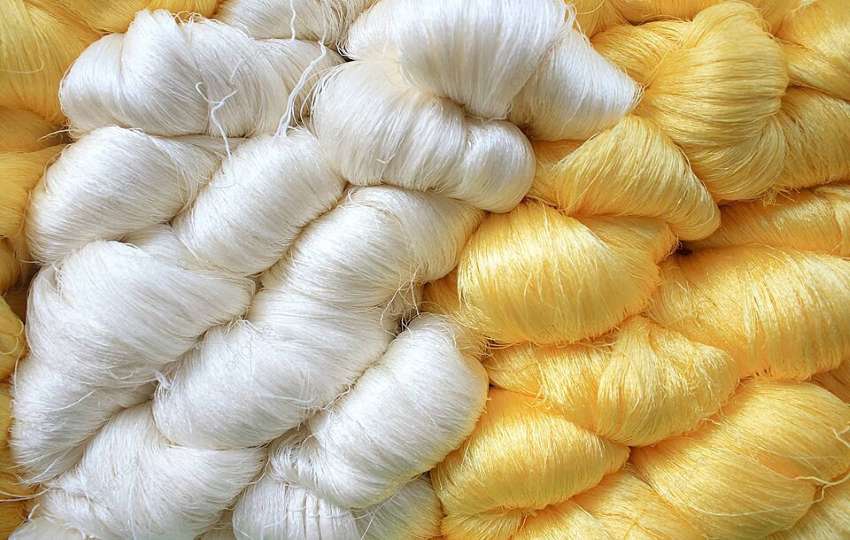
For the first time, the policy incorporates comprehensive silk yarn production activities—including silk reeling and spinning—alongside technical textiles and handloom revitalization. By integrating upstream silk value chains with advanced apparel manufacturing, the state aims to capitalize on global demand for specialized fabrics and sustainable production methods. Industry leaders emphasize that tying regional clusters like the Kalaburagi PM MITRA park directly into international export corridors will significantly elevate India's competitiveness in high-value textile segments.
Karnataka's Textile and Apparel Policy 4.0 provides structural fiscal incentives for textile manufacturing, technical fabrics, and silk processing. Targeting statewide regional hubs, it aims to scale exports, drive sustainable industrial growth, and modernize traditional weaving frameworks through a Rs 4,000 crore budgetary outlay.