A new workplace compliance-and-safety-monitoring body will take over the infrastructure, operations and staff of Accord as it transitions out of Bangladesh over the next several months. Accord will hand over its responsibilities in Bangladesh to the Readymade Garment Sustainability council (RSC). This national initiative will bring together industry, brands and trade unions to promote unified industrial relations, skill development and environmental standards, while carrying forward the significant accomplishments made on workplace safety in the South Asian nation since Accord’s formation in the wake of the 2013 Rana Plaza disaster, which killed more than a thousand workers and injured thousands more.
An international compact among nonprofit organizations, Western manufacturers and retailers, Bangladesh union federations, and several major global unions, Accord has monitored fire and building safety in 1,700 factories in Bangladesh over the past six years for signatory brands. It has conducted 30,000 inspections and remedied more than 90 per cent of violations at 1,000 factories.
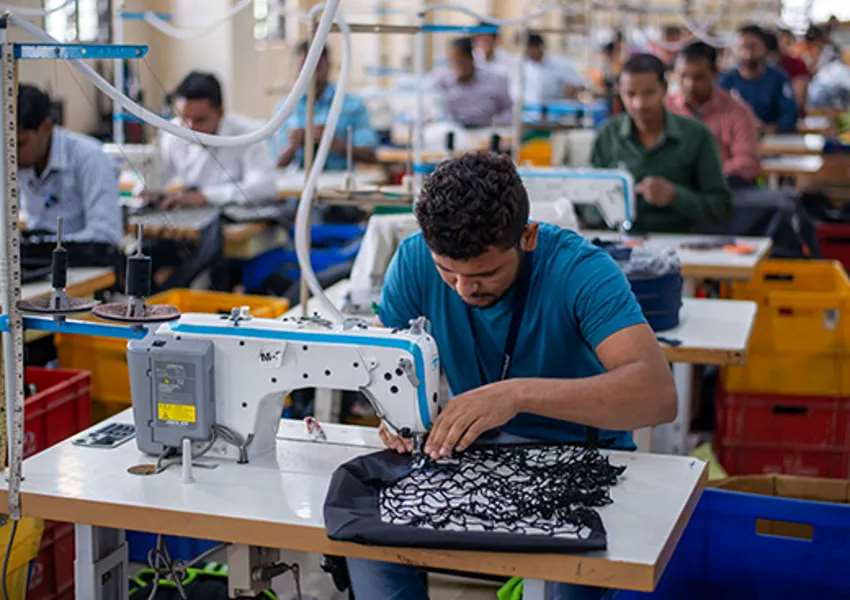
Readymade garments make up roughly 80 per cent of Bangladesh’s export earnings, contributing almost 16 per cent of the country’s gross domestic product. Bangladesh is the world’s second largest garment exporter after China and produces clothing for some of the biggest retailers in the world, including H&M, Uniqlo and Zara.
- 1
- 2
- 3
- 4
- 5
- 6
- 7
- 8
- 9
- 10
India’s National Fibre Scheme decouples textiles from global supply risks
For decades the Indian dominated spinning, weaving, and garment exports while remaining paradoxically dependent on imported man-made fibres and specialty... Read more
From London to Tokyo, premiumization redefines retail and office markets
Global real estate landscape has changed. Gone are the cautious narratives of recovery that defined the post-pandemic years. Today, flight... Read more
Compliance drives India’s $176 bn textile shift
India’s textile economy is no longer selling fabric alone; it is selling proof. As compliance rules harden across export markets,... Read more
The second life economy gets a boost as resale outgrows traditional apparel reta…
For decades, resale existed in the margins of the apparel economy, thrift stores, peer-to-peer marketplaces, and charity bins quietly absorbing... Read more
Rising polyester costs shake India’s textile manufacturing hubs
India’s synthetic textile industry is confronting a sudden and destabilizing price shock that is reverberating across its vast manufacturing ecosystem.... Read more
Cotton markets hold firm as tariffs, higher supply reshape global fiber economic…
In a year marked by tariff escalations, geopolitical brinkmanship and a recalibration of global trade flows, the international cotton market... Read more
Beyond Cotton How Kapok could redefine sustainable insulation in textiles
In the lush, humid heart of Southeast Asian rainforests stands a giant, a silent sentinel of the forest canopy. Growing... Read more
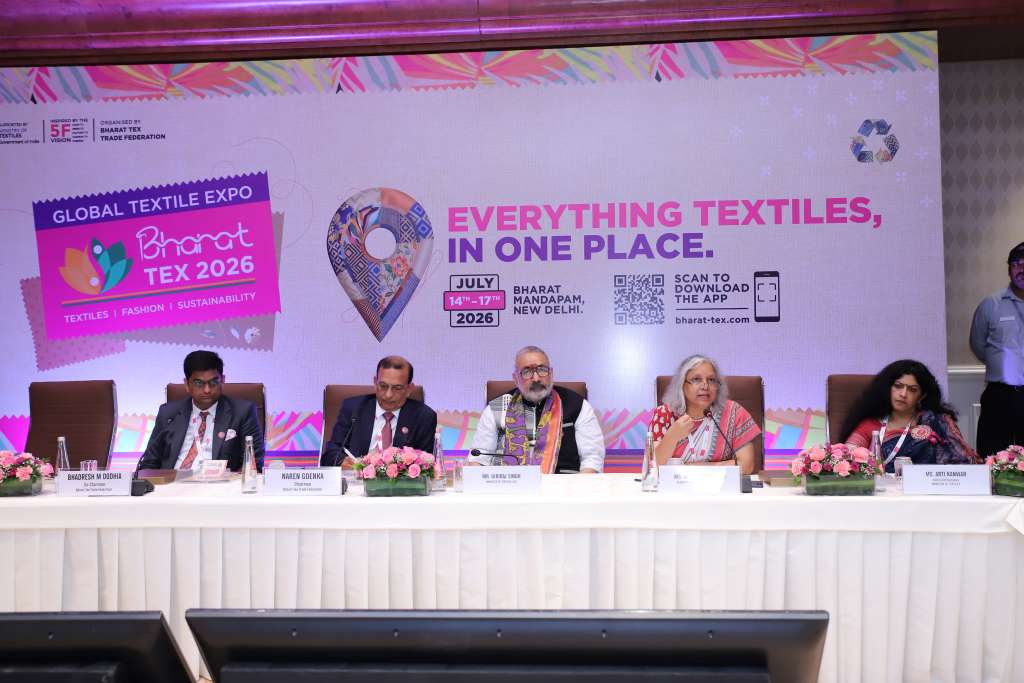
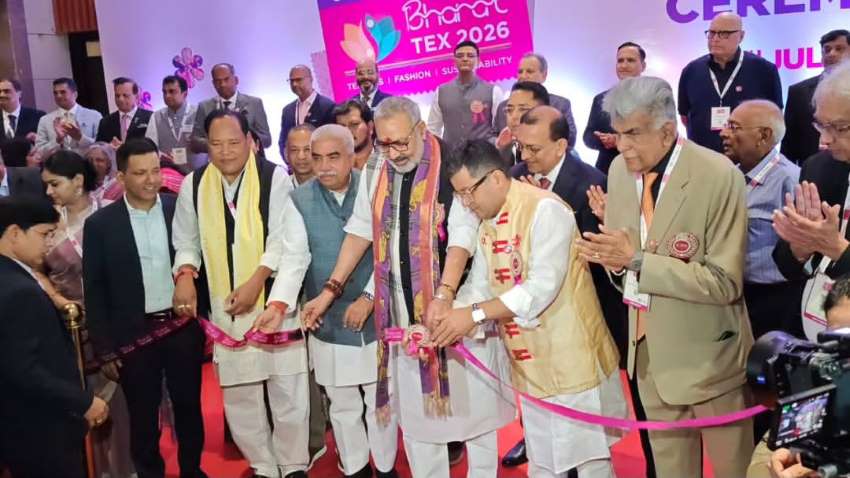
Bharat Tex 2026: Redefining the global textile value chain
Union Minister of Textiles, Giriraj Singh, has officially unveiled Bharat Tex 2026, signaling a significant leap in India’s influence over... Read more
Intertextile Shanghai Spring 2026: A hub for global textile innovation
The textile industry’s pulse is quickening as Intertextile Shanghai Apparel Fabrics – Spring Edition prepares to open its doors from... Read more
Moscow Fashion Week 2026: Blending sustainable innovation with timeless glamour
Scheduled to run from March 14-19, 2026 in Moscow, Russia, the Moscow Fashion Week (MFW) is cementing its status as... Read more