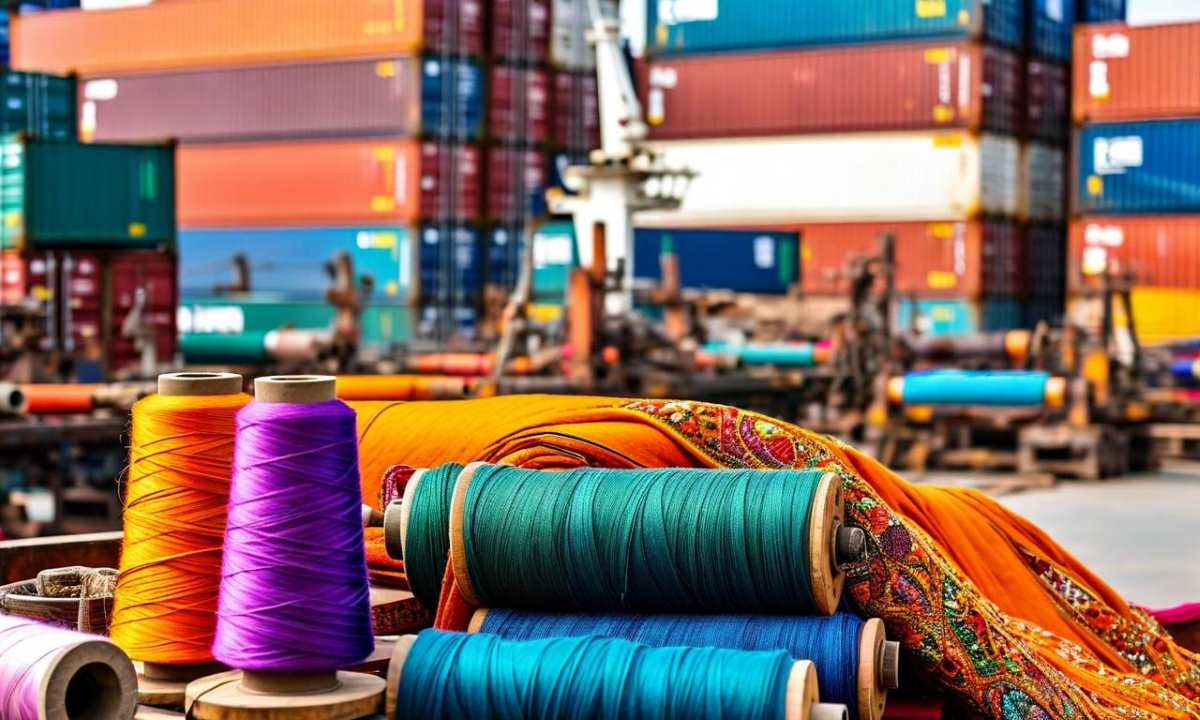
Robust growth of the automotive sector in emerging markets and increasing applications of technical textiles in the construction industry are key factors fuelling the demand for technical textiles. Increased spending on healthcare and growing awareness on environmental conservation and sustainable manufacturing are other key factors driving demand for technical textiles globally.
Asia Pacific is the most lucrative market for technical textiles, with demand expected to reach 11,468 thousand tons by the end of 2015, up from 10,715 thousand tons in 2014. China and India are expected to be at the forefront of the demand for technical textiles, with these two countries collectively accounting for a 74 per cent share of the Asia Pacific technical textiles market.
The cost of procuring raw materials and manufacturing technical textiles is higher than other substitutes, owing to which adoption is lower in price-sensitive markets. On the basis of application, the key categories of technical textiles include Agrotech, Buildtech, Hometech, Indutech, Sportech, Packtech, Mobiltech, Meditech, Clothtech, Geotech, Protech, and Oekotech.
Hometech is expected to witness the highest demand, reaching 2,015 thousand tons by 2015 end, up from 1,910 thousand tons in 2014. Indutech is expected to gain 62 basis points between 2015 and 2020 and account for nearly 14.68 per cent of the overall market in terms of revenue. In terms of volume, demand for Indutech is expected to reach 2,832 thousand tons by the end of 2015.
- 1
- 2
- 3
- 4
- 5
- 6
- 7
- 8
- 9
- 10
Luxury in Retreat: Why the aspirational consumer is gone for good
The global luxury industry is confronting an unprecedented situation. The active consumer base, which peaked at 400 million in 2022,... Read more
The Invisible Bleed: How a single chemical is slowing India’s apparel machine
The global fashion industry has spent the better part of the past two years obsessing over visible disruptions viz. volatile... Read more
The Closet Paradox: How ‘nothing to wear’ is driving global overconsumption
In an era of overflowing wardrobes and instant fashion gratification, a striking paradox has emerged: the more clothes we own,... Read more
US trade rulings and labor slowdown reshape 2026 cotton supply chains
The global cotton industry is entering a period of adjustment, shaped by legal rulings, trade policy recalibrations, and a softening... Read more
Zero-tariff paradigm drives strategic re-sourcing at Global Sourcing Expo 2026
Projected to reach a valuation of $30.3 billion this year, the Australian textile and apparel market is entering a period... Read more
Strategic manufacturing takes center stage at Gartex Texprocess Mumbai 2026
A $179 billion industrial cornerstone contributing 2 per cent to the national GDP, the Indian textile and apparel sector is... Read more
The Hidden Tax on Fashion: 2026’s EPR rules squeeze margins and shake supply cha…
As the 2026 enforcement deadlines for California’s SB 707 and the European Union’s harmonized Waste Framework Directive loom, the global... Read more
Guess? Inc. retreats from China as American cool hits a cultural wall
For more than two decades, Guess? Inc., the emblem of ‘accessible American cool’, maintained an ambitious footprint in China. At... Read more
The Hormuz Effect: Why a distant war is shaking Bangladesh’s garment exports
The immediate impact of the Iran- Isarel-US conflict is being felt in the logistics arteries that connect Bangladesh’s factories with... Read more
The rise of localized luxury, MEA, North America, and India lead growth
The global luxury industry is no longer defined by relentless expansion. The ‘2025 Global Luxury Brandwatch Report’ highlights a sector... Read more