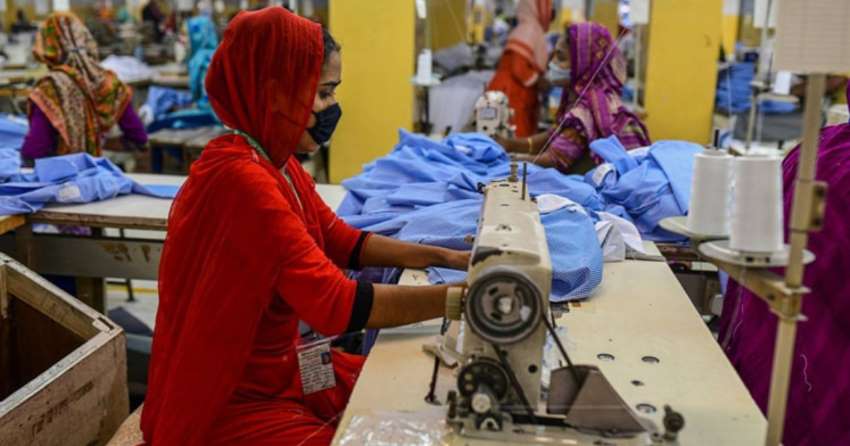
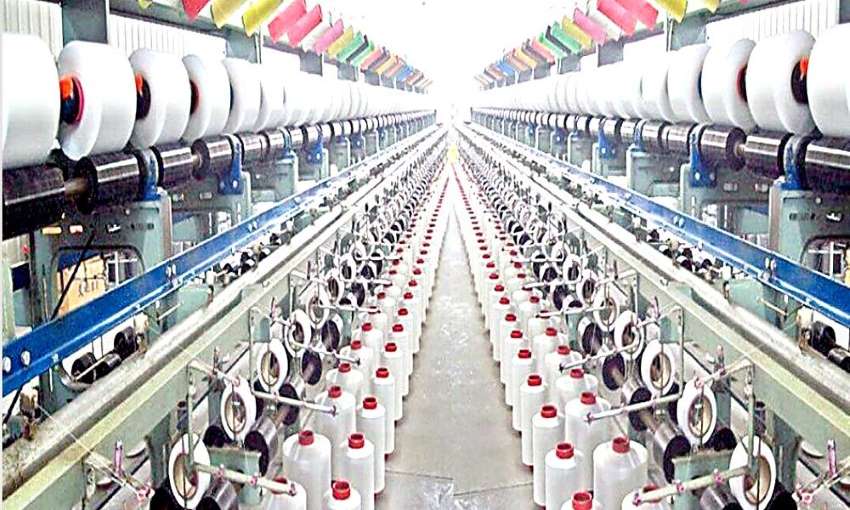
In a significant move to stabilize the domestic apparel value chain, the Union Finance Ministry has exempted cotton imports from customs duties and associated agricultural cesses for a five-month window, effective June 1, 2026. This intervention addresses critical supply-side bottlenecks that have hampered the sector’s global price competitiveness, particularly against regional rivals in Bangladesh and Vietnam who benefit from duty-free raw material access.
Addressing cost volatility in global markets
Accounting for approximately 8 per cent–10 per cent of India’s total merchandise exports, the textile and apparel industry has faced significant headwinds due to fluctuating raw material prices and softening global demand. Government data indicates, total textile and apparel exports reached $35.79 billion in FY26, a 2.2 per cent decline from the previous fiscal year. Industry leaders, including the Confederation of Indian Textile Industry (CITI), have consistently highlighted that high import duties on long-staple cotton—sourced primarily from the US, Egypt, and Australia - were impeding India's ability to maintain thin margins in the highly price-sensitive international apparel trade. By removing the 11 per cent effective duty burden until October 31, 2026, the government aims to lower production costs for small and medium enterprises (MSMEs) and improve the global standing of Indian manufacturers.
Leveraging new trade frameworks
Beyond domestic policy support, the sector is capitalizing on a diversification strategy to mitigate regional trade volatility. While traditional markets like the US remain central, significant growth has been observed in newer destinations such as the UAE, Germany, and Spain, where Indian exports have seen double-digit increases. The operationalization of the India-Oman Comprehensive Economic Partnership Agreement (CEPA) on June 1 serves as a strategic pivot to further diversify market reach. According to industry analysts, these duty-free avenues, combined with the temporary cotton relief, provide a much-needed operational buffer.
As India pushes toward a $100 billion export target by 2030, the focus is shifting toward value-added production - such as performance-treated, sustainable, and technical textiles—which now command a premium in European and North American markets.
A comprehensive value chain
The Indian textile industry is a comprehensive value chain covering fiber production, spinning, weaving, and garment manufacturing. Major export categories include ready-made garments, cotton yarn, and home textiles. The sector currently prioritizes modernization and sustainable, compliant manufacturing to secure long-term contracts with global retail majors.