Establishing a comprehensive framework for the sector’s evolution through 2030, the 12th Asian Textile Conference (ATEXCON) concluded in New Delhi recently.
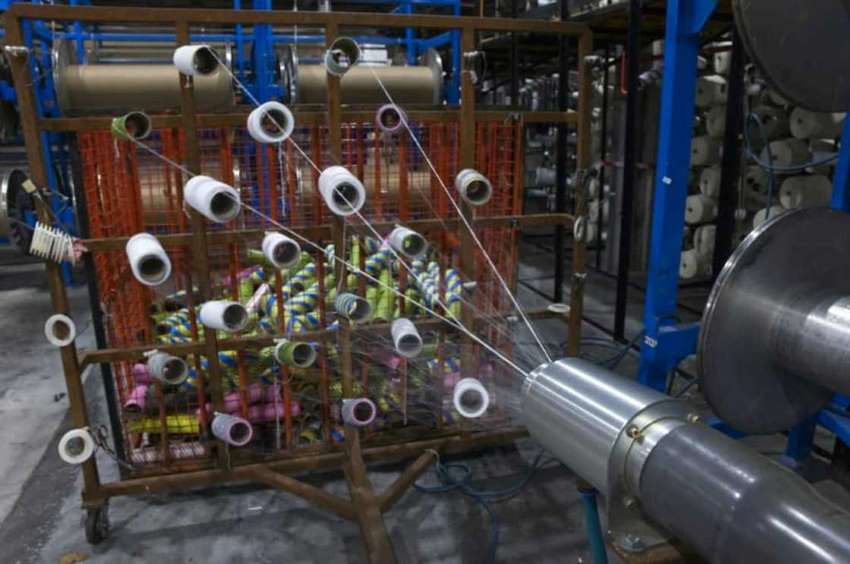
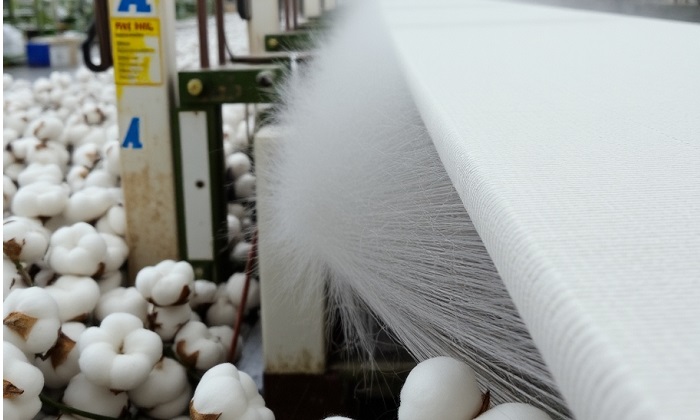
Industry leaders at the event emphasized, currently navigating a complex period of suppressed demand and fluctuating freight costs, the global textile trade must prioritize capital expenditure in high-performance manufacturing. Discussions centered on the operationalization of integrated textile parks to achieve economies of scale, with a specific focus on the man-made fiber (MMF) segment. Analysts noted, diversifying beyond traditional cotton is essential to capture a larger share of the $1.1 trillion global apparel market. The conference highlighted, Indian manufacturers are currently eyeing a $100 billion export target, requiring an estimated annual growth rate of 10 per cent in technical textile production.
Digital integration and regulatory compliance frameworks
A primary theme of the summit was the rapid adoption of digital traceability to meet emerging international mandates. With the EU Digital Product Passport (DPP) nearing implementation, the textile value chain is under pressure to provide transparent data on fiber origin and chemical usage. The industry is moving from voluntary sustainability to mandatory transparency, noted a senior delegate during the plenary session. This shift presents an opportunity for South Asian hubs to integrate blockchain-enabled tracking systems into their spinning and weaving units. However, the transition faces challenges, including the high cost of technology adoption for MSMEs and the need for a standardized global framework for carbon accounting.
Collaborative trade and sustainability as growth levers
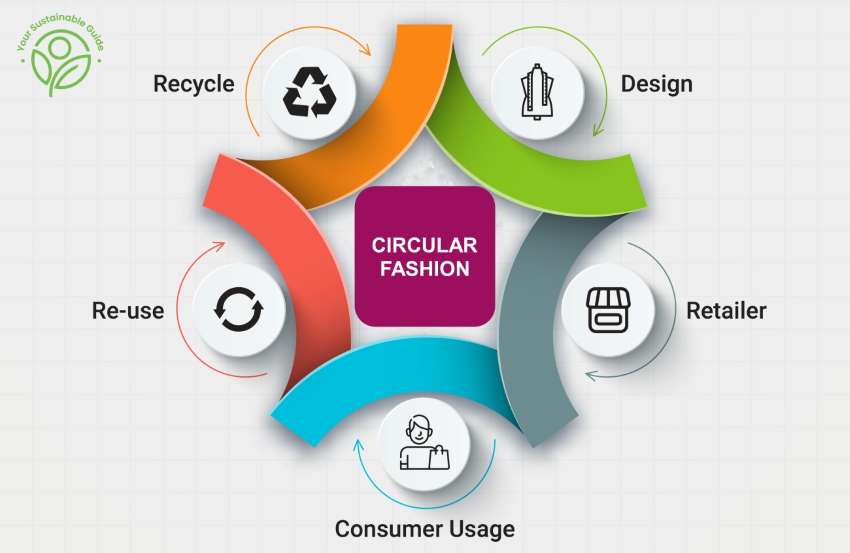
The summit facilitated high-level dialogues on optimizing Free Trade Agreements (FTAs) to reduce tariff barriers in key Western markets. By aligning national quality standards with ISO and ASTM protocols, regional manufacturers aim to eliminate non-tariff barriers that currently hinder market access. The roadmap also prioritizes circular economy models, particularly chemical recycling and Zero Liquid Discharge (ZLD) technologies, as essential components of long-term commercial viability.
Organized by the Confederation of Indian Textile Industry (CITI), ATEXCON is a premier international platform for policy advocacy and industrial networking. It brings together global stakeholders to address raw material security and trade logistics. The 2026 edition focused on scaling the $350 billion Indian textile market through MMF expansion and ESG-compliant manufacturing hubs across South Asia.