FW
Huntsman wins export award
Kandla Special Economic Zone, based in Gujarat, has given Huntsman Textile Effects an award for the export of dyes, chemicals and digital inks. Huntsman Textile Effects, a global provider of high quality dyes, chemicals and digital inks, was awarded under the service and trading category for timely execution of exports, error-free documentation and on-time post-shipment formalities. The company has a warehousing facility in Gujarat. The facility is a consolidation hub and has an export capacity of 400 metric tons a month. The warehouse was previously recognized by the Kandla Special Economic Zone in 2011, 2012, 2013 and 2014. The top ten units of the zone are awarded in various categories such as manufacturing, trading, job works and export services, among others.
With operations in more than 90 countries and six primary manufacturing facilities in six countries (China, Germany, India, Indonesia, Mexico and Thailand), Huntsman Textile Effects uses cutting edge technology to develop solutions and create innovative products with intelligent effects such as durable water repellents, color fastness, sun protection or state-of-the-art dyes which reduce water and energy consumption.
Huntsman Corporation is a publicly traded global manufacturer and marketer of differentiated and specialty chemicals. Its chemical products number in the thousands and are sold worldwide to manufacturers serving a broad and diverse range of consumer and industrial end markets.
H&M to expand retail operations
Fast Fashion giant H&M plans to expand operations by adding 175 new stores to its network in 2019. Most of these stores will open in growth markets, while its number of stores in Europe is expected to reduce by 50. The brand also plans to create fast, efficient flexible product flow in the supply chain by including initiatives within advanced data analytics and AI. It will invest in various technology platforms and create new digital markets.
The first quarter results of H&M giant exceeded expectations on both profit and margin. The global retailer’s pre-tax profit was noted to be 1.04 billion Swedish crowns (A$157.58 billion) for the quarter spanning December 1, 2018 to February 28, 2019. This was well ahead of $708 million expected by the analysts. The brand’s gross margin increased 49.9 per cent to 50.0 per cent. Sales improved in many of its online and offline markets, including Sweden which grew by 11 per cent, the UK by 8 per cent, Poland by 15 per cent, China by 16 per cent and India by 42 per cent in local currencies.
H&M has been trying to improve its online offering by launching e-commerce sites in new markets, integrating digital and physical stores and providing faster delivery options. The retailer will also launch an upgraded loyalty programme shortly.
Groz-Beckert to showcase comprehensive products, services at Frankfurt fairs
Groz-Beckert, a leading supplier of industrial machine needles, will exhibit its comprehensive product and service portfolio in the knitting, weaving, felting, carding and sewing product areas at the upcoming Techtextil and Texprocess trade fairs in Frankfurt. These fairs, to be held from May 14-17, 2019 in Frankfurt will focus on the trend theme Urban Living – City of the Future.
In knitting, Groz-Beckert will exhibit its portfolio of circular knit, legwear, knitwear and flat knitwear. It will focus on system solutions – precisely coordinated system components that enable smooth interaction and are designed to ensure uniform appearance of the goods and increased process reliability.
The company will also offer needles in new intricacies – including coated needles. It will display additional needle types in the patented litespeed plus version and new system components.
In weaving products, the company will exhibit its products for weaving preparation and weaving accessories. In addition, its stand will offer both special healds and new insights into monofilament. Another highlight of the stand will be the 3D print model of the staple fiber needling line (SVL).
Within the traditional nonwovens segment, Groz-Beckert will present details of the patented shape of working part of its Gebecon felting needle at the trade fair stand using a man-sized needle exhibit.
In sewing products Groz-Beckert will present various special application needles that increase the process reliability and productivity. In addition to the SAN 5.2 and SAN 6, the company will also introduce the redesigned SAN 10 XS special application needle. The sewing area will collaborate with INH (Ideal Needle Handling) quality management to help customers handle sewing machine needles besides providing a digital solution for documenting needle breaks.
CPTPP raises Vietnam’s export hopes
Vietnam expects that with the Comprehensive and Progressive agreement for Trans-Pacific Partnership (CPTPP) its exports of garments and leather shoes to Canada will rise.
The 16 per cent to 17 per cent import duties on garment and textiles will vanish in four years while the 18 per cent import duties on leather shoes will be reduced to zero in seven to 11 years. Under the trade pact, Canada has pledged to remove 94.5 per cent of tax lines levied on Vietnamese products, and after four years, Vietnam will be exempt from some 96.3 per cent of the tax lines.
Canada offers great prospects for Vietnamese exports like garments and textiles, leather shoes and seafood. The country is an important bridge for Vietnamese firms to expand their markets in America. Demand for Asian food has been rising in Canada due to the increase in the population of Asian-Canadian people.
Trade links between Canada and Vietnam have improved after they joined the CPTPP. In the first two months of 2019, Vietnam’s exports to Canada were up 36.6 per cent year on year. The CPTPP comprises Australia, Brunei, Canada, Chile, Japan, Malaysia, Mexico, New Zealand, Peru, Singapore and Vietnam that altogether make up 13.5 per cent of global GDP.
Yarn and and fiber show Filo to be held in Italy in September
Filo will be held in Italy from September 25 to 26, 2019. The yarn and fiber show will carry forward the FiloFlow sustainability project introduced in February 2019. This is aimed at increasing the sensitivity of companies toward the implementation of sustainable textile production processes.
Concreteness, professionalism, quality and efficiency are the four guidelines of the exhibition. Filo is a business platform where professionals from all over the world meet selected Italian and international companies. The first phase of FiloFlow includes a sheet that all Filo’s exhibitors will receive. The sheet collects information about the company (type, dimension, reports and communications with the stakeholders) and about production practices: raw materials that are used, supply chain’s traceability, energetic consumption, chemical management, waste management, environmental monitoring and implication for ethical and social activities. Participation of the companies in the project is voluntary and is based on self-certification. Companies which meet the required characteristics will be distinguished with the brand FiloFlow. Some of the products will be exhibited in the sustainability area of the show.
Filo organizes many events – both formal and informal – aimed at matching yarn and fiber demand and supply. The layout is efficient and rational, giving visitors a complete view of products from the exhibiting companies.
Bangladesh: Factory audits help both buyers and suppliers
Factory audit compliance can improve transparency and cut costs for apparel manufacturers in Bangladesh who supply to the world’s leading brands. At present, factory owners in sourcing countries such as Bangladesh face an onerous number of audits from different apparel brands and retailers, most of them gathering the same information.
Audit information can be shared across all brands within one central database. Multiple factory checks and audit fatigue is a serious issue for suppliers. Greater transparency from brands, including improving information on staple clothing items such as jeans and T-shirts, can also help. At the moment the public is in the dark on such issues.
Bangladesh’s readymade garment industry has witnessed an unprecedented overhaul since the Rana Plaza disaster. Factories are adopting various safety initiatives and making their safety reports publicly available, which is unique in the global apparel supply chain. Third parties are auditing factories in a transparent procedure to check social compliance. Safety hotlines have enabled workers to register their concerns in the most transparent way. However transparency itself cannot be sustainable if buyers don’t make their business processes transparent. Cheap price of clothing was a key contributor to the Rana Plaza accident as suppliers cut corners to meet the requirements of buyers.
3D-printed footwear to grow at CAGR of 19.5 per cent by 2025
A new finding by SmarTech Analysis shows, the 3-D printed footwear at a will grow at a CAGR of 19.5 percent to account for $6.5 billion in yearly global revenue by 2029. Footwear companies will invest billions of dollars in 3-D printing technology and manufacturing over the next decade, with billions more in revenue up for grabs, according to a new report.
According to SmarTech, revenue from 3-D printed footwear, which currently represents roughly 0.3 percent of total global footwear revenue, is expected to grow to about 1.5 percent of overall global footwear revenues by 2029. This value is inclusive of AM hardware, AM software, prototyping and tooling as well as end-use products related revenues.
Revenues associated with additive manufacturing in the footwear industry are expected to rise predictably over the next ten years. The growth will not be relegated to typical 3-D printed footwear, i.e. a croc-like slip-on made from a single piece of material that strongly resembles plastic or rubber. SmarTech says the market for 3-D printed footwear components will be the first to grow, with individual 3-D printed footwear parts generating $1 billion in revenue as early as 2023.
Sri Lanka’s apparel sector targets emerging markets to boost growth
 In order to achieve its ambitious target of $8 billion worth of exports by 2025, Sri Lankan apparel sector is looking to first upscale access in emerging markets such as India, China and Brazil. The country will differentiate its products with quality standards and excellent product delivery to capture global demand. The apparel industry, which contributes 7 per cent of GDP (Gross Domestic Product) and 53 per cent of export earnings, plans to expand its operations to South Asian countries such as India and China and to South America. Apparel exports, last year, grew by 5 per cent; while this year it is expected to grow at an annual compound growth rate of over 6 per cent.
Exports subject to tariff rules
Around 12 per cent of Indian apparel exports are shipped to other continents. The countries for exports are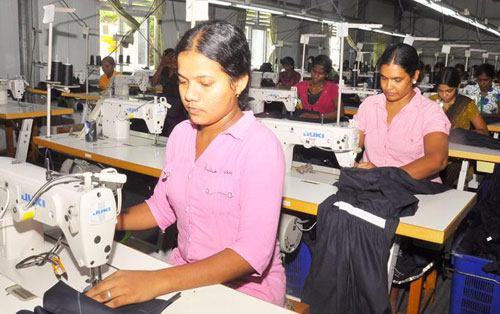 determined on the basis of the tariff and country of origin rules. Earlier bilateral agreements were the exception to the rule but now World Trade Organisation (WTO) regulations has become the exception while bilateral agreements are the rule.
A standard rule that the apparel industry follows is the double transformation principle which involves converting fiber into yarn, yarn into fabric and fabric into garments. This theory helps countries such as India, Indonesia and Thailand, where vertical integration is very high.
Issues faced by the Sri Lankan apparel sector
Sri Lanka, as a nation does not recognise the value of apparel exports as much. The sector contributes to the economy on its own efforts. Government support in terms of facilities and recognition will attract more industrialists to the nation besides ensuring skilled labour in the workforce.
The SME sector within the apparel sector faces labor issues. As this sector fails to attract youth, it faces acute scarcity of labor. Besides, the present level of the trade reforms agenda lacks forward looking policies which makes it extremely difficult for the industry to maintain its growth momentum.
Government initiatives to boost growth
Though the industry has still not stabilised, this year’s budget provides enhanced capital for expanding a company. The government is also trying to improve the availability of credit, skills and finances. However, these efforts will prove beneficial only in the longer run. The industry needs to be controlled and maintained on a systematic basis. It should be organised so as to enable buying continuously or promote concepts such as rentals.
Before 2005, there was no competition among countries for apparel as the industry did not offer its buyers the freedom to plan their purchases. However, this system liberalised post 2005 enabling all countries to enter into the business. Sri Lanka, which already faces difficulties such as unavailability of fabric and scarcity of labour, needs to differentiate itself through quality and value added services. The sector has already negotiated with the government for minimising transactions with state agencies mainly with regard to apparel exports. It has also requested the government to make all documentation processes available online, thus reducing human intervention.
The sector has also requested the government to recognise digital signatures and online transactions. It is also negotiating with the Sri Lanka Customs to automate the verification processes to clear the goods quickly. These methods will quicken the will not only quicken the delivery process but also improve its efficiency.
Stock management, decentralisation to help brands deal with Brexit
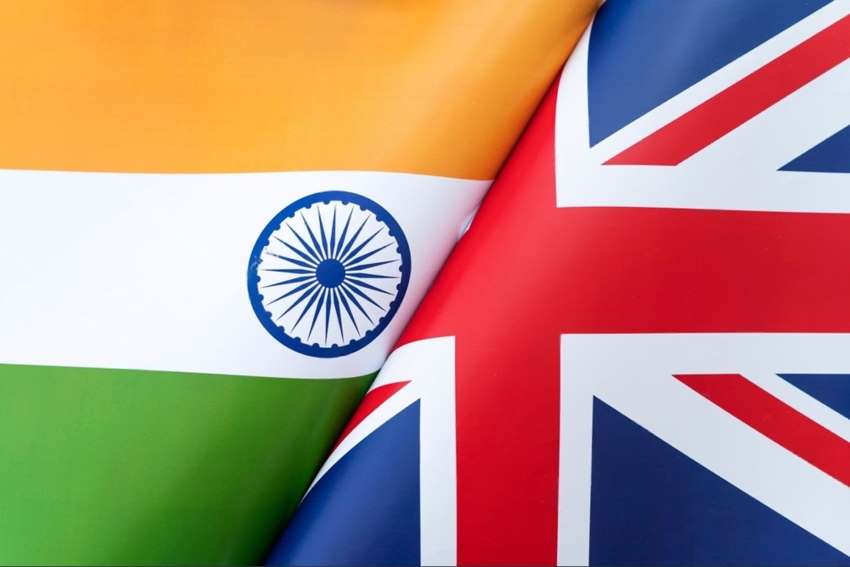
"The British fashion industry, over the past two years and nine months, has been preparing for an unforeseen future. As the UK voted to leave the European Union, a range of fashion and footwear businesses across the UK including manufacturers, brands, agencies and retailers are adopting various measures to mitigate the aftereffects of this exit."
 The British fashion industry, over the past two years and nine months, has been preparing for an unforeseen future. As the UK voted to leave the European Union, a range of fashion and footwear businesses across the UK including manufacturers, brands, agencies and retailers are adopting various measures to mitigate the aftereffects of this exit. British multinational clothing brand, Next Fashion, has actively voiced its discontent over the uncertainty looming over Brexit. Not sure of its impact on customers, the brand plans to remain flexible and respond to the changes.
Alternate supply chain, new warehouse mitigate effects
Another clothing brand Joules shipped around 90 per cent its products to the EU markets a few weeks prior to the Brexit date. The brand also made a detailed plan to mitigate disruptions by finding alternative routes to avoid delays to its shipments. It also plans to open a warehouse in Holland with a third party supplier so that it can move its products for the European market into the EU by passing the UK. The brand is worried if Brexit is delayed by a couple of months, it will have to repeat the entire stock management process. Also the volatile currency rates are likely to increase the costs of goods in the market.
Increasing stocks
English Fine Cottons is facing price pressures as the brand increased its stock position by around 10-15 per cent. The uncertainty of the situation is also forcing it to defer plans of altering the supply chain Charles Clinkard has been running a Brexit no-deal contingency plan for nearly 12 months and most things that they could take action on have been done. For example, the brand has forward-bought currency through until the end of Spring 20. As a precaution it also stocked around 87 per cent of spring ’19 requirement before March 29 to avoid any shortages on the stock side.
Decentralising operations
Maternitywear retailer Seraphine plans to de-centralise its UK distribution centre and open another one in either France or Belgium. The brand, which has reviewed the situation deeply, is not ready to take any action unless necessary as it would incur a significant start-up cost of about €250,000 (£214,282)
Swedish brand Gant has increased its stock postion in UK warehouse. In case of a no-deal Brexit, the brand plans to move its distribution to Germany. Besides, it has also informed its employees to register for UK citizen status.
Becoming a custom-accredited warehouse will enable men’s and children’s wear brand house Douglas & Grahame to manage imports and exports, VAT and duty in a more efficient way. The brand will also open another warehouse in either Dundalk or Dublin which will allow it to operate within the Republic more efficiently.
Vietnam: Trade agreements, import-export mix to ease effect of Chinese slowdown
"Vietnam has been exporting unprocessed agriculture and other primary products to China for decades. Of late, there has been strong growth in its export of higher value agriculture products, including fruits, vegetables and other horticulture products and seafood. Vietnam also exports electronic and other manufactured products to China. However, its integration in regional production chains has reversed the situation leading to an increase in Vietnam’s imports and investment from China."
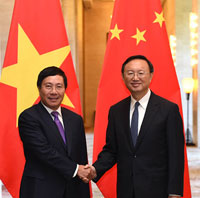 Vietnam has been exporting unprocessed agriculture and other primary products to China for decades. Of late, there has been strong growth in its export of higher value agriculture products, including fruits, vegetables and other horticulture products and seafood. Vietnam also exports electronic and other manufactured products to China. However, its integration in regional production chains has reversed the situation leading to an increase in Vietnam’s imports and investment from China. Now, besides consumer products, the country also imports large volumes of components and parts for its manufacturing sector from China.
Impact of Chinese slowdown on Vietnam’s markets
China’s slowing economic growth is affecting growth of Vietnam’s key markets like the US, EU and Asean. This is likely to impact global demand for Vietnamese exports. Although the net impact of this slowdown on FDI from China is not clear, it will emerge as an increasingly attractive option to diversify investment risks. Though it is unlikely for China to return to previous high levels of growth, it is important to ensure that the growth rate remains high. The country accounts for nearly 20 per cent of global trade with its potential as economic partner continuing to grow.
Trade agreements to provide new opportunities
The implementation of the Comprehensive and Progressive Agreement for Trans-Pacific Partnership (CPTPP), and the long-anticipated EU-Vietnam trade and investment agreements (EVFTA), will provide new opportunities for Vietnam to expand and diversify its economic relations. The country will also benefit from the expected agreement on the Regional Comprehensive Economic Partnership (RCEP) in 2019. Its other bilateral initiatives, including streamlining of cross-border inspections and payments services will stimulate its economic cooperation with China.
Import-export mix to reduce global economic shocks
The negative impacts of Chinese slowdown on Vietnam’s economy will be relatively limited. Increase in exports of higher value-added agriculture, manufactured goods and services to China will remain strong. The country would face serious concerns if its growth falls to OECD country growth rates. Its exposure to global economic shocks can be reduced by providing a more diversified mix of import and export markets. The country can diversify its trade and investments through reforms under regional and economic cooperation agreements.