FW
Domestic demand and exports fuel India’s textile sector growth in Q1 FY25: Wazir Advisors
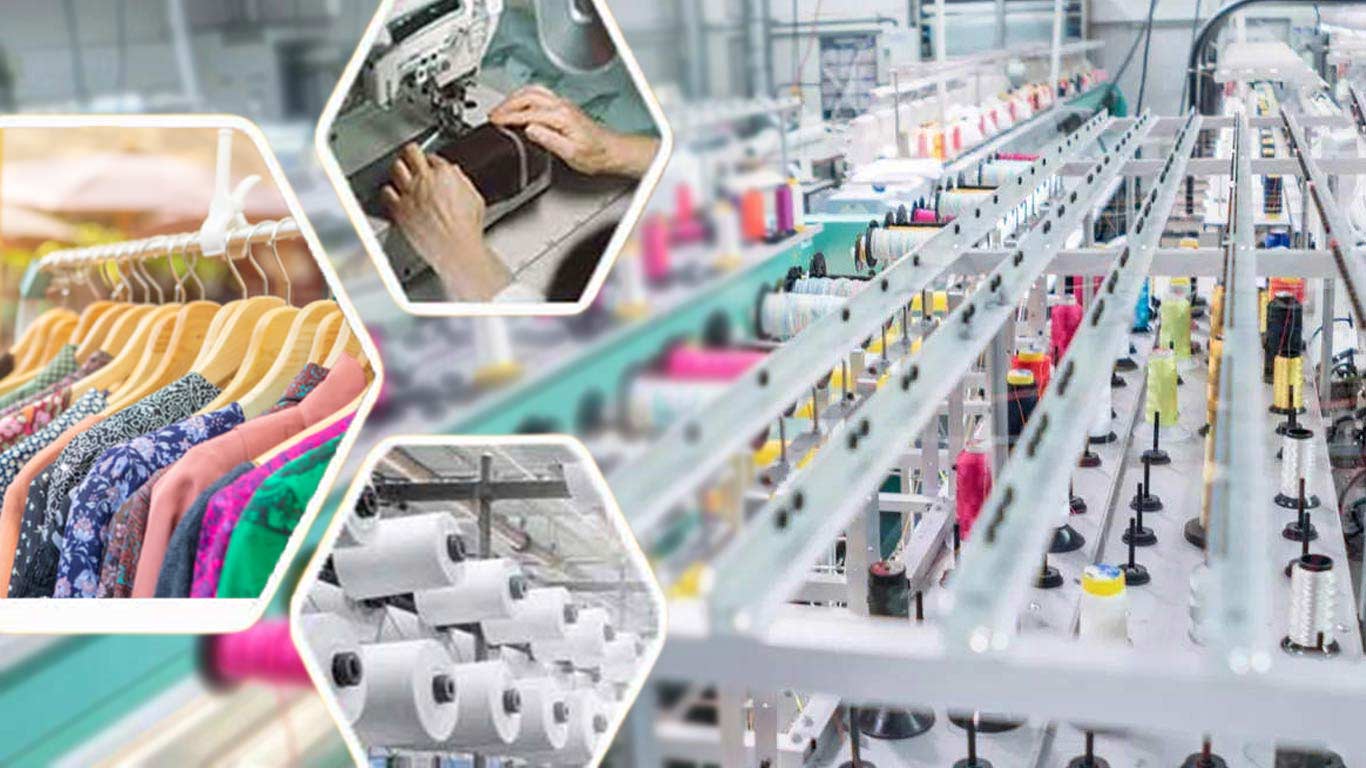
The Indian textile and apparel sector has shown robust recovery in the first quarter of the fiscal year 2025 (Q1 FY25), driven by strong domestic demand and increased exports. The latest Wazir Textile Index (WTI) and Wazir Apparel Index (WAI) have both highlighted significant growth, indicating a positive outlook for the industry.
Key highlights
WTI performance: The WTI sales index recorded a 12 per cent increase in Q1 FY25 compared to the previous year. This growth was underpinned by a 29 per cent rise in the WTI EBITDA index, suggesting improved profits for textile companies. The consolidated sales of selected top textile companies also mirrored this trend, rising by 12 per cent during the same period. Moreover, the consolidated EBITDA margin for these companies saw a healthy increase of 2 percentage points.
WAI performance: The WAI sales index indicated a more pronounced growth, increasing by 19 per cent in Q1 FY25. The EBITDA index also grew by 13 per cent, indicating a positive financial performance for apparel companies. Consistent with the WTI, the consolidated sales of selected top apparel companies rose by 19 per cent, while the consolidated EBITDA margin remained unchanged. The apparel companies under review, included: PDS, Pearl Global Industries, Gokaldas Exports, SP Apparels and Kitex Garments. Among them Kitex Garments recorded highest sales growth in Q1 at 31 per cent at the same time SP Apparels was in the red with -2 per cent sales growth. In EBITDA too Kitex Garments led growth.
Overall sector performance: Looking at the performance of a few listed textile and apparel companies under study, consolidated sales increased 6 per cent in Q1 FY25. The consolidated EBITDA for these companies rose by 1 percentage point, indicating a modest improvement in profitability. The companies under study were: Vardhman, Welspun Living, Arvind, Trident, Filatex India, RSWM KPR Mill, Indorama Synthetic, Indo Count and Nahar Spinning. Among these RSWM and Indo Count clocked in maximum growth at 34 per cent and Welspun Living followed closely at 27 per cent. However, Arvind recorded negative growth at -0.1 per cent and Filatex at -1 per cent. However, EBITDA for these two companies were in black.
Ovearall the consolidated sales index increased 6 per cent in Q1 compared to Q1 FY24. Consolidated EBITDA too has gone up by 1 percentage point compared to Q1 FY24.
India’s textile exports and Imports
India’s overall T&A exports have gone up by 5 per cent in Q1 FY25 compared to Q1 FY24. The export of fiber has significantly increased by 17 per cent in Q1 FY25 compared to Q1 FY24. At the same time yarn and fabric exports growth were low at 2 per cent and 0.3 per cent.
India’s T&A imports have reduced by -7 per cent in Q1 FY25 compared to Q1 FY24. Import of home textile has significantly increased by 29 per cent while import of filament has significantly decreased by -32 per cent in Q1 FY25 compared to Q1 FY24.
Factors driving growth
There are several catalysts for the strong performance of textile and apparel sector.
Increased domestic demand: Rising disposable incomes and a growing middle class have led to a boost in domestic demand for textile and apparel products, driving sales growth.
Policy initiatives: Government policies and initiatives, such as the National Textile Policy and the Atmanirbhar Bharat campaign, have provided a favorable environment for the sector's growth.
Export growth: Rising exports to key markets have also contributed to the sector's positive performance.
Technological advancements: The adoption of advanced technologies has improved efficiency and reduced costs for textile and apparel manufacturers.
Future outlook
The positive trends observed in Q1 FY25 suggest optimism for India’s textile and apparel sector. Continued growth is expected with factors such as rising domestic consumption, expanding export markets, and technological advancements. However, challenges such as rising costs of raw material, global economic uncertainties, and competition from other countries could impact the sector's future performance.
However, the bottomline is India’ textile and apparel sector has shown strong recovery in Q1 FY25, with higher sales and profits. The positive trends suggest a promising outlook for the sector, but it is essential to closely monitor evolving market dynamics and address potential challenges to sustain this growth trajectory.
The shifting landscape of the US fashion, apparel & textile market
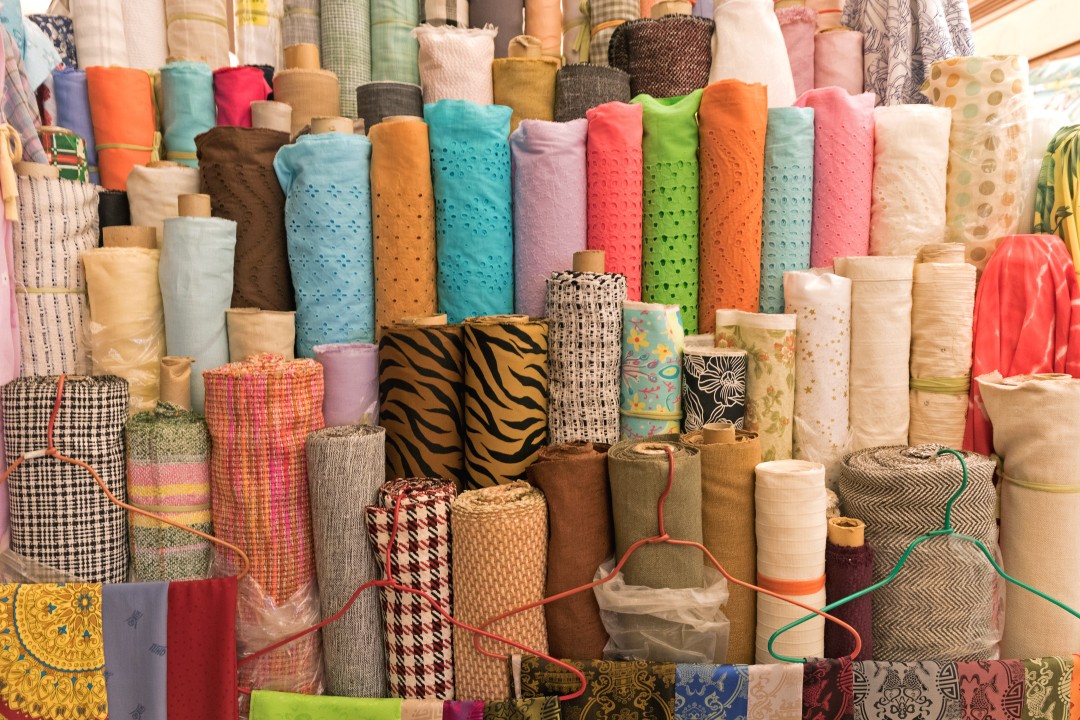
The US fashion, apparel, and textile market is undergoing a significant change, driven by evolving consumer behavior, economic fluctuations, and technological advancements. This market, valued at $368.8 billion in 2023, is projected to reach $514.9 billion by 2028, at a Compound Annual Growth Rate (CAGR) of 6.91 per cent during the forecast period.
The change drivers
Several factors are contributing to the reshaping of the US fashion market. Growing disposable income is a major one. Rising incomes is empowering consumers to spend more on discretionary items like fashion and apparel. This coupled with growing population, particularly among millennials and Gen Z, is pushing up demand for trendy and affordable clothing.
Then there is the e-commerce boom. The proliferation of online shopping platforms has revolutionized the way consumers purchase fashion, offering convenience and a wider selection. Moreover, growing awareness about environmental and social issues is prompting consumers to seek out sustainable and ethically produced fashion. And innovations like 3D printing and virtual reality are transforming the design, production, and retail experience in the fashion industry.
Meanwhile consumer behavior is evolving in response to these market drivers and certain clear trends are evolving.
• Value-consciousness: While consumers are willing to spend on fashion, they are increasingly seeking value for their money, looking for quality products at affordable prices.
• Personalization: Consumers are demanding personalized shopping experiences and products that cater to their individual styles and preferences.
• Experiential retail: The rise of online shopping has led to a decline in traditional brick-and-mortar stores. To stay relevant, retailers are focusing on creating immersive and experiential shopping environments.
• Social media influence: Social media platforms play a significant role in shaping consumer preferences and driving trends in the fashion industry.
• Sustainability focus: Consumers are increasingly conscious of the environmental and social impact of their fashion choices, seeking out sustainable and ethically produced brands.
• Rapid consumption: The fast fashion trend has led to a rise in clothing consumption, with Americans buying a new piece of clothing every five days on average. This highlights a shift towards quantity over quality, contributing to environmental concerns and the need for sustainable practices in the industry.
Table: Market Size and Per Capita Consumption
|
Year |
Market size (billion $) |
CAGR (%) |
Per capita consumption ($) |
|
2018 |
284.5 |
- |
865.4 |
|
2019 |
303.5 |
6.68 |
923.3 |
|
2020 |
254.7 |
-19.37 |
774.3 |
|
2021 |
331.1 |
30 |
994.3 |
|
2022 |
353.5 |
6.77 |
1,051.50 |
|
2023 |
368.8 |
4.33 |
1,096.10 |
|
2024 |
393.1 |
6.59 |
1,166.50 |
|
2025 |
420 |
6.84 |
1,244.40 |
|
2026 |
449.6 |
7.05 |
1,328.10 |
|
2027 |
481.9 |
7.19 |
1,417.30 |
|
2028 |
514.9 |
6.85 |
1,508.30 |
Shifting purchase channels
The way consumers purchase fashion is also undergoing a change. Post-pandemic, online shopping has become the preferred channel for many consumers, offering convenience, a wider selection, and competitive prices. With the increasing use of smartphones, mobile commerce is rapidly gaining traction, allowing consumers to shop anytime, anywhere.
And to cater to the evolving consumer, retailers are adopting an omnichannel approach, integrating online and offline channels to provide a seamless shopping experience. Social media platforms are increasingly being used for product discovery and purchase, blurring the lines between social networking and e-commerce.
The moot point is that the US fashion, apparel, and textile market is in a state of flux, due to a number of factors that are reshaping consumer behavior and purchase patterns. The trend of rapid consumption, with Americans buying a new piece of clothing every five days, underscores the influence of fast fashion and highlights the need for sustainable practices within the industry. To thrive in this dynamic landscape, businesses must adapt to the changing demands of the market, embrace technological advancements, and prioritize sustainability. The future of fashion good with continued growth and innovation expected to drive the market.
Uzbekistan's Textile & Apparel Sector: A rising force in the global market
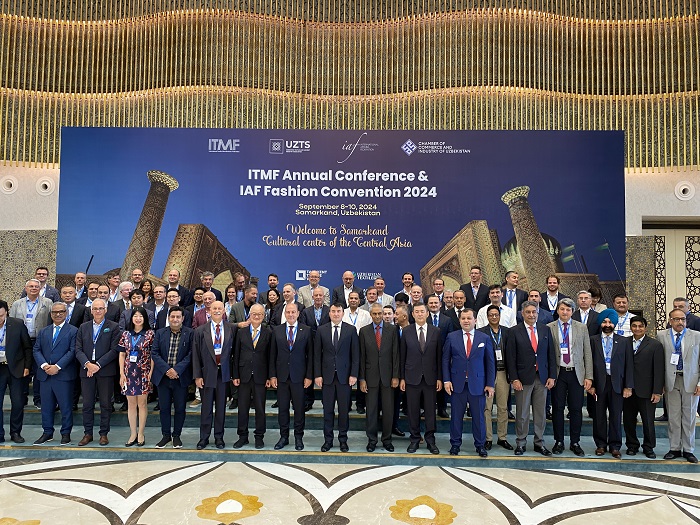
For all these years Central Asian country Uzbekistan was known as a cotton powerhouse. However, now the country is shifting from a focus on raw cotton exports to a vertically integrated manufacturing powerhouse. This evolution was underscored at the recent ITMF Annual Conference and IAF Fashion Convention held in Samarkand, where Uzbekistan's progress and potential were on full display.
Shifting sectoral standing
Indeed Uzbekistan still remains a significant cotton producer, but the focus has shifted towards value addition. The lifting of the cotton boycott in 2022, after Uzbekistan addressed forced labor concerns, has opened doors to major international markets and boosted industry confidence.
The country is investing in modern ginning and spinning facilities to produce high-quality yarns and fabrics, reducing reliance on raw material exports. Yarn production is a key pillar of the sector, with a growing emphasis on finer counts and specialized yarns for the apparel industry. Investments in state-of-the-art spinning mills have enabled Uzbekistan to expand its yarn exports and cater to diverse market demands.
Fabric manufacturing is rapidly expanding, driven by investments in weaving and knitting technologies. Uzbekistan is producing a wider range of fabrics, from basic cotton to technical textiles, contributing to the country's export diversification. Meanwhile the garment industry too is experiencing unprecedented growth, backed by favorable government policies, skilled labor, and access to international markets. Uzbekistan is attracting major global brands and retailers, further boosting its garment exports. Uzbekistan's Prime Minister says "We are creating all the necessary conditions for foreign investors and are ready to welcome new investments into the sector." This highlights the government's proactive approach to attracting foreign capital and expertise.
The just concluded ITMF and IAF events highlighted several key trends
• Export growth: Uzbekistan aims to triple its textile and apparel exports to $6.5 billion by 2026. In the first half of 2024 alone, exports exceeded $1.7 billion, reaching 85 countries.
• Investment: The government's supportive policies are attracting foreign investment. South Korean textile major Youngone Corporation, for instance, operates two factories in Uzbekistan and plans further expansion with a $55 million investment, creating over 5,000 jobs. As Kihak Sung, Chairman of Youngone Corporation says, "We believe in Uzbekistan's potential. The country offers a favorable business environment, skilled workforce, and strong government support."Similarly, Global Textile Group, a vertically integrated Uzbek company, has expanded significantly, becoming a prominent player in the industry. Their growth underscores the potential for domestic companies to thrive in the evolving textile landscape.
• Sustainability: Uzbekistan is embracing sustainable practices. The country is actively promoting organic cotton production and investing in eco-friendly technologies.
Indeed, with right policies in place and investments, Uzbekistan's textile and apparel sector is poised for significant growth, driven by its strong fiber base, expanding manufacturing capabilities, government support, and focus on sustainability. And the recent ITMF & IAF event highlighted the country's ambition and progress. With its strategic location, competitive advantages, and commitment to ethical practices, Uzbekistan is emerging as a key player in the global textile landscape
Texhibition Istanbul highlights innovation and sustainability in Turkish textiles
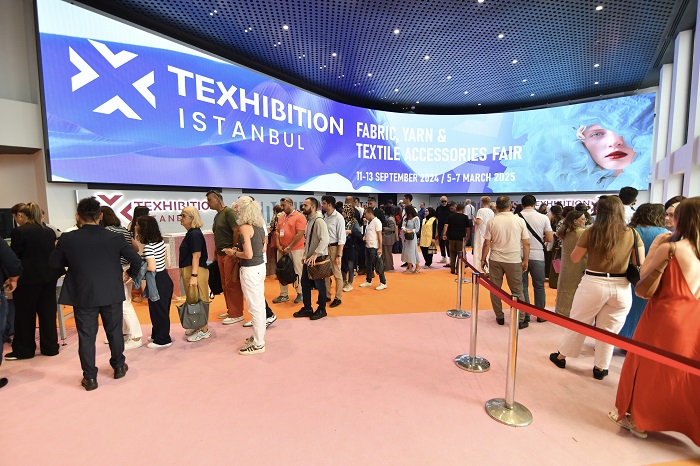
The sixth edition of Texhibition Istanbul Fabric, Yarn, and Textile Accessories Fair, held from September 11 to 13, 2024, showcased the Turkish textile industry’s strength and commitment to innovation and sustainability. Organized by ITKIB Fuarcılık AS in cooperation with the Istanbul Textile Exporters Association (ITHIB), the event featured 539 exhibitors, ranging from woven and knitted fabrics to textile accessories and artificial leather. With a special emphasis on yarn, the fair attracted over 24,000 visitors from 117 countries, reinforcing Turkiye’s global influence in textiles.
Expanding global reach and supply chain resilience
Ahmet Oksuz, Chairman of ITHIB, emphasized Texhibition's increasing global relevance, noting that the event has attracted 130,000 visitors over the past two years, establishing itself as one of Europe’s leading textile fairs. He pointed out that Texhibition has played a key role in stabilizing and expanding the global supply chain, even in the face of challenges within the fashion industry. The fair has offered exhibitors valuable opportunities to explore new markets and gain advantages, thereby contributing to the sustainable growth of Turkiye's textile sector despite the industry's economic downturn.
Comprehensive industry representation
Texhibition brought together leading names in Turkish textiles, with a broad range of offerings that included woven fabrics, knitwear, and denim. In the BlueBlackDenim Hall, companies like Bossa, Isko, İskur, and Kipaş displayed their latest denim innovations. Established market leaders such as Almodo, Bahariye, Can Textile, and Zorluteks joined high-performance, export-oriented firms to exhibit their latest designs.
A particular highlight was Hall 8, which featured yarn and fiber manufacturers, including Diktaş, Ensar, Karafiber, Korteks, Sasa, and Tepar. These companies showcased the superior quality of Turkish yarn, reinforcing Turkiye’s reputation as a leader in textile manufacturing.
Sustainability takes centerstage
Sustainability was a major focus at this year’s Texhibition, with exhibitors introducing eco-friendly practices. Water-saving dyeing techniques, energy-efficient production, and recycling processes reflected the industry's commitment to reducing its environmental impact. Many exhibitors have transitioned to biodegradable and recycled materials, with companies like Maritas Denim showcasing their Regenerative Cotton Project, while Kara fiber emphasized its efforts to reduce carbon emissions through products like Ecocell Lyocell, made from sustainably grown wood.
Korteks, known for its Polymer Recycling Plant, achieved significant milestones in producing polyester yarns from plastic bottles. Aydin Orme demonstrated innovations like Lilacell Lace, crafted from Tencel Lyocell and recycled nylon. Bahariye, a woolen fabric producer, stood out for its sustainable, socially responsible production methods, holding numerous environmental certifications.
International interest and key partnerships Texhibition’s global appeal attracted buyers from Europe, Asia, North America, and beyond. Notable visitors included representatives from major brands such as Alexander Wang, Forever 21, Sainsbury's, and Veronica Beard. Key decision-makers praised the fair’s diversity of fabrics and sustainability efforts. Ines Inhae Huh, SVP Design at Ramy Brook in New York, expressed admiration for the range of prints on display, while Devin James, owner of The Canvas Global, praised the fair as a hub for fashion creativity.
Buyers from countries like the USA, Mexico, and Colombia participated in B2B meetings, generating numerous orders. Mariana Wajsman Nedeff from La Moda Brazil highlighted the efficient atmosphere and fruitful business connections made during the fair.
Trends and innovation in focus
Texhibition also served as a platform for discussions on future trends and technological innovations. Workshops and seminars covered topics such as denim trends, circular value chains in fashion, and sustainability regulations. Keynote speaker MarwaZamaray, European Climate Pact Ambassador, stressed the importance of sustainability compliance in the industry.
The Texhibition Trend Area, designed by IdilTarzi and her team, showcased themes for the upcoming Autumn/Winter 2025-26 season, emphasizing earthy, environmentally friendly colors. Meanwhile, the Innovation Hub, led by designer Arzu Karpol and fabric designer Filiz Tunca, highlighted cutting-edge projects, including illuminated dresses and self-warming jackets.
Turkiye’s green transformation and future goals
Texhibition underscored the importance of Turkiye’s green transformation in the textile industry. With textile exports reaching $12 billion annually and ranked fifth globally, Turkiye’s focus on sustainable and digitalized production is vital to maintaining its competitive edge. The Turkish Ministry of Trade and Turkiye's Exporters Assembly are driving this transformation through initiatives like GreenTIM and EcoTIM, which support companies in meeting European Green Deal regulations.
As Texhibition Istanbul's influence expands, it is set to become a pivotal force in shaping the future of the global textile industry. M Fatih Bilici, Vice Chairman of ITHIB and Chairman of the Texhibition Executive Committee, highlighted that the event will continue driving sustainable growth and attracting international buyers, further solidifying Turkiye’s leadership in textile innovation and reinforcing its global position in the sector.
Texhibition’s success this year reaffirms Turkiye’s role as a global textile hub, offering innovative solutions and sustainable practices that meet the evolving demands of the international market.
Woolmark+ to unite wool growers, suppliers and brands for a more sustainable future
Woolmark+, the groundbreaking initiative being launched by The Woolmark Company will unite wool growers, the supply chain, and brands for a more sustainable future in the wool industry. This project outlines a comprehensive roadmap to accelerate low-impact wool production, promote circularity, and enhance both animal welfare and the livelihoods of wool growers.
The roadmap includes 13 practical initiatives focused on regenerating nature, reducing carbon emissions, and improving productivity. These initiatives not only support wool growers in achieving their business goals but also align with brands' increasing commitments to mitigate Scope 3 emissions and enhance supply chain sustainability.
A key component of Woolmark+ is an insetting program, designed to create a wool insetting market by connecting wool growers with global brands aiming to meet emission reduction targets through on-farm, nature-based solutions. The initiative also focuses on reducing methane emissions in sheep. Early results show a 19 per cent average reduction in methane emissions and a 27 per cent productivity increase in sheep consuming Agolin, with a 50 per cent methane reduction for those consuming Asparagopsis.
In collaboration with wool growers and industry partners, Woolmark+ aims to provide credible measures of on-farm environmental performance. Based on ecological assessments of 130 wool farms, the program has identified core metrics to verify sustainability outcomes cost-effectively. A pilot project will operationalise these metrics to further improve farm practices.
The initiative also includes a nature-positive impact program that connects investors with projects focused on reducing emissions, enhancing biodiversity, promoting climate resilience, and advancing circularity. Additionally, Woolmark has introduced Woolmark Recycled, a sub-brand within its certification program, to encourage the production of high-quality, recycled wool products and reinforce wool's status as the most recycled apparel fiber.
Woolmark+ aims to be completed by 2025, focusing on environmental stewardship, climate resilience, biodiversity, and circularity. It promotes a holistic approach that enhances both wool production and demand while positioning the wool industry as a leader in sustainable fashion.
RSWM launches sustainability report at 3rd Sustainable Textile Summit
At the 3rd Sustainable Textile Summit, organised by the PHD Chamber of Commerce and Industry, RSWM, the flagship company of the LNJ Bhilwara Group, launched its Sustainability Report, reflecting its commitment to eco-friendly practices in textile production.
A key highlight of RSWM’s sustainability initiatives is its contribution to addressing the global plastic waste crisis. By recycling around 1,830 million PET bottles annually, the company produces 51,850 metric tons of recycled polyester fiber, diverting plastic waste from landfills and creating sustainable textile products. Additionally, RSWM uses 8,818 metric tons of biofuel sourced from dry husks each year, reducing its dependence on fossil fuels and supporting circular economy principles.
RSWM has implemented Zero Liquid Discharge (ZLD) systems in its plants, enabling the complete reuse of water and saving approximately 2,336,792 kilolitres annually. The company also integrates renewable energy into its operations, generating 76.5 million kilowatt-hours of solar and wind energy annually, reducing its reliance on traditional power sources.
In its efforts to combat climate change, RSWM has adopted energy-efficient practices that reduce CO2 emissions by 800,000 metric tons annually. The company also incorporates 8,162 metric tons of recycled cotton into its production and is expanding its use of sustainable fibers such as organic cotton, linen, hemp, jute, and silk.
RSWM supports sustainable agriculture by using 72,357 kilograms of organic manure and fertilisers each year to enhance soil health, emphasises BM Sharma, Joint Managing Director.
Global cotton market experiences modest growth in prices: Cotton Incorporated
Compared to the previous month, the global cotton market registered a modest growth in prices, as per a report by the Cotton Incorporated.
By mid-August, the US December NY/ICE futures contract, which had been trending downward since April, stabilised at 67 cents per pound. Since then, prices have fluctuated between 67 and 71 cents per pound.
The A Index remained relatively stable, averaging 80 cents per pound. In China, domestic prices ranged between 14,700 and 15,000 RMB per tons, with the Chinese Cotton Index (CC Index 3128B) holding steady at approximately 94 cents per pound.
According to Cotton Incorporated’s September 2024 Monthly Economic Letter – Cotton Market Fundamentals & Price Outlook, the renminbi (Chinese yuan) appreciated slightly against the U.S. dollar, moving from 7.17 to 7.11 RMB/USD.
In India, the spot price of Shankar-6 quality cotton rose from 86 to 90 cents per pound. Domestically, prices increased from Rs. 56,500 to Rs. 59,900 per candy, while the Indian rupee remained stable at around Rs. 84 to the U.S. dollar.
In Pakistan, the spot price of cotton increased from 76 to 81 cents per pound, indicating a rise in market value. While the Pakistani rupee held steady at approximately 279 PKR/USD, domestic prices climbed from 17,400 to 18,500 PKR per maund.
This overall trend reflects slight price increases and currency movements across major cotton-producing regions.
Brands continue to opt for synthetic fibers despite increased regulations: Report
Despite increasing regulatory pressure, major fashion brands continue to rely heavily on synthetic fibers, shows a new report by the nonprofit Changing Markets Foundation.
Conducted in collaboration with organisations like the Clean Clothes Campaign, Fashion Revolution, No Plastic In My Sea, and the Plastic Soup Foundation, the study examines data from the responses to a survey sent to fashion brands, and information available on their websites.
The report notes, around fifty-four per cent of companies failed to respond to the survey, compared to 44 per cent in 2022 and 17 per cent in 2021, indicating a growing trend of corporate secrecy. Out of the 50 companies evaluated, only six, including Zara owner Inditex, Lululemon, Mango, and Nike, publicly shared the volume and percentage of synthetic fibers they use. However, other companies disclosed this information only through the survey.
As per the report, synthetic fibers currently make up 69 per cent of global textile production, a figure expected to rise to 73 per cent by 2030. Factors like affordability and versatility of synthetics, particularly polyester, have allowed fashion brands to flood the market with cheap clothing, driving fast fashion's cycle of consumption and waste, the report states.
Two companies, Reformation and Hugo Boss, are ‘leading the shift’ in reducing reliance on synthetic materials. Reformation has pledged to phase out virgin synthetics by 2030 and reduce overall synthetic use to less than 1 per cent by 2025. Hugo Boss aims to eliminate polyester and polyamide by 2030, but the report notes a 143 per cent increase in the company's polyester use from 2020 to 2023. It the brand aims to maintain its leadership position, it needs to set clear milestones and aim for consistent progress, the report emphasises.
With new EU regulations on the horizon, the fashion industry is at a critical juncture, the report warns. For the first time, the sector is at the risk of facing measures to address its environmental impact, it adds. Raising concerns about the industry's lack of support for such regulations, the report emphasises on the need for strong actions to reduce reliance on fossil fuels and plastic waste.
Lectra acquires 18% stake in Singapore-based SaaS solutions developer Six Atomic
Lectra has partnered with Singapore-based Six Atomic to acquire an 18 per cent minority stake in the company through an investment of $2.5 million. As part of this collaboration, Lectraplans to support Six Atomic’s growth by gradually increasing its stake in the company.
Founded in 2020, Six Atomic revolutionises garment design through innovative technologies. The company offers solutions to automate labor-intensive, low-value tasks in product development, allowing fashion brands to harness the expertise of patternmakers and better utilise data assets. Key features of Six Atomic’s approach include creation of modular pattern libraries and rapid pattern grading, which streamline the garment ideation process and enhance collaboration within teams. This leads to a faster turnaround in finalizing collections.
An innovative company, Six Atomic blends Artificial Intelligence with a deep understanding of fashion design and development processes, says MaximilienAbadie, Chief Strategy and Product Officer, Lectra. Along with Lectra, the company aims to advance technological innovation for fashion companies, he adds.
A global leader in the fashion industry, Lectra shares Six Atomic’s vision to transform production development in the Industry 4.0 era, aver Tamie Koe and Marc Close, Co-founders, Six Atomic. The company’s vast experience and global network will help Six Atomic accelerate its solutions to the market, he adds.
A major player in the fashion, automotive, and furniture sectors, Lectra offers software, cutting equipment, and data analytics solutions. The company actively contributes to the Industry 4.0 revolution, empowering brands, manufacturers, and retailers with cutting-edge technologies.
Luxury Loses Luster: A slowdown shakes the high-end market
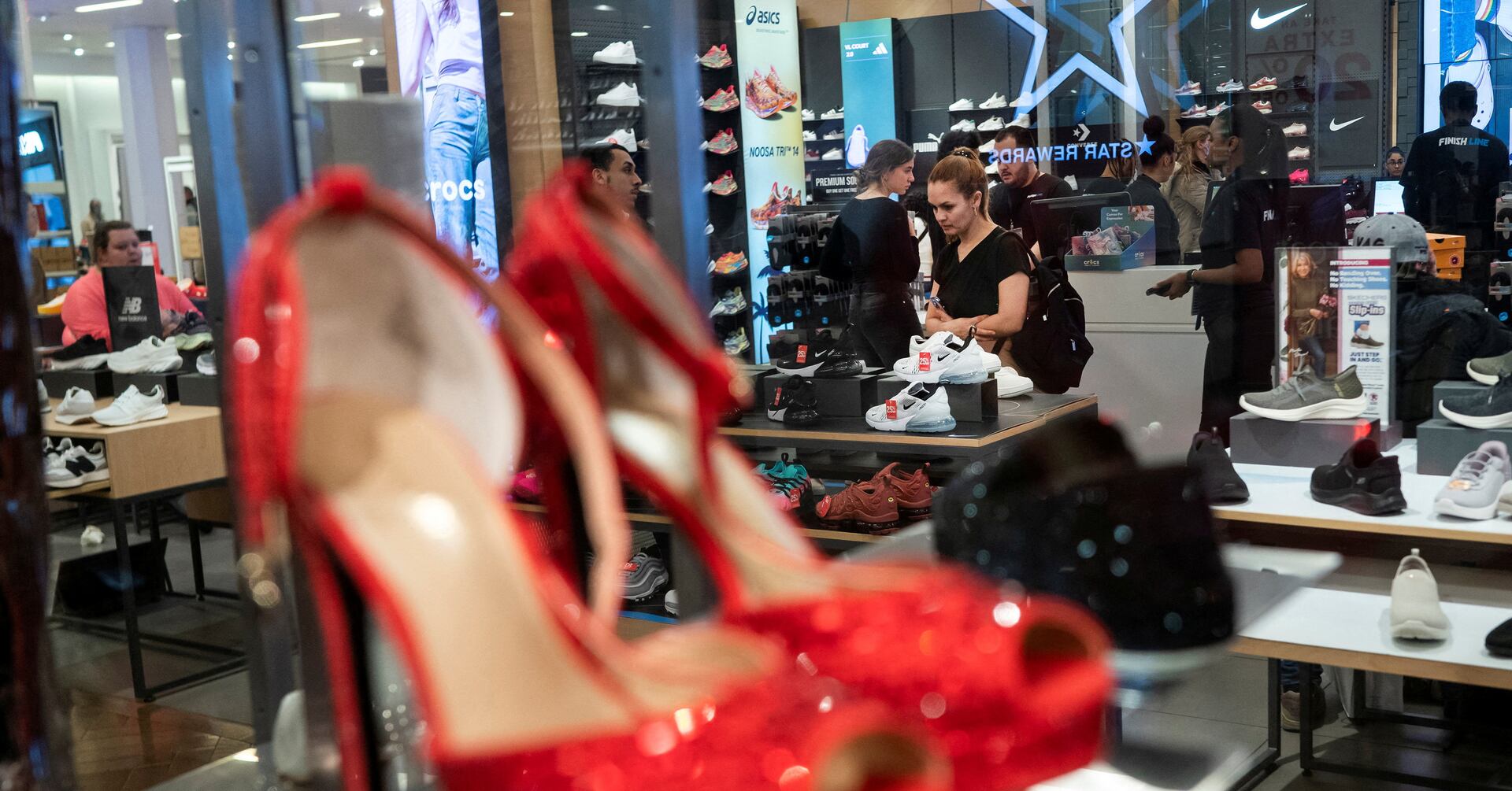
The first half of 2024 has been a rough ride for luxury fashion. Once a seemingly invincible sector, major brands are grappling with declining sales, particularly in Asia, leading to significant drops in market value and billionaire fortunes.
Luxury's struggles by the numbers
• Market downturn: The S&P 500 Textiles Apparel & Luxury Goods Industry Index has slumped almost 30 per cent year-to-date as of July 29, 2024.
• Billionaire losses: A half-dozen luxury billionaires have seen their wealth drop by 4 per cent this year, or about $17 billion, as per Bloomberg Billionaires Index. The fortunes of luxury goods billionaires like Bernard Arnault (LVMH) and Francoise Bettencourt Meyers (L'Oreal) have been affected. This stands in stark contrast to the rest of the index, which has seen a 13 per cent increase in wealth.
• Brand impact: Companies like Burberry and Hugo Boss reported significant sales drops in Asia and the Americas, with Burberry experiencing a 23 per cent decline in both regions as per ‘Luxury Fashion Is Struggling In The First Half Of 2024—Here’s Why’.These companies reported significant sales drops, particularly in Asia, with some experiencing up to 40 per cent decline in operating profits compared to 2023.
• China's cooling market: A major contributor to the downturn is the slowdown in China, previously a major driver of luxury spending. China sales for Richemont and Swatch Group have fallen 27 per cent and 11 per cent respectively. Changing consumer landscape and rising return ratesdampened demand for luxury goods.Last month, Chinese retailers of luxury brands marked down product prices up to 50 per cent to fight the diminishing consumer appetite in China.
However, not all luxury brands are suffering equally. MiuMiu, with its focus on younger demographics and buzzy designs, saw a staggering 90 per cent year-over-year growth in the first quarter, demonstrating the importance of agility and brand relevance.
|
Statistic |
Impact |
|
Decline in luxury billionaire wealth (past year) |
$17 billion |
|
S&P 500 Textiles Apparel & Luxury Goods Industry Index (YTD) |
-30% |
|
Growth in China's GDP (2024) |
4.7% (below estimates) |
|
Luxury return rates in China (2024) |
50% |
|
Growth in MiuMiu sales (YTD) |
90% |
The industry anxiously awaits earnings reports from Kering (Gucci) and LVMH, hoping for signs of a potential turnaround.The ability to adapt to changing consumer preferences, navigate the economic slowdown in China, and foster brand loyalty will be crucial for luxury brands to regain their footing.
The luxury sector faces an uncertain future. Rejuvenating growth in China, the key driver in recent years, will be crucial. Additionally, adapting to changing consumer preferences and attracting new demographics, like those drawn to MiuMiu, might be vital for survival.