FW
Turkish textile industry shows signs of improvement
Omer Bolat, Minister of Commerce, Turkey, says, textile and raw materials exports from the country surged by 6 per cent to over $1.5 billion during the months of January and February, 2024. They hope to surpass the 2023 total of $33 billion textile and raw materials exports this year,
Despite a slight decline in garment exports, Bolat expects a turnaround as European and American demand rises. The government is actively supporting the industry through various initiatives.
Recognising the importance of environmental compliance, Bolat emphasised the need for adherence to the ‘Green Deal’ for exports to the EU. The Ministry is offering consultancy services to companies undertaking Green Deal compliance projects, covering up to 10 million lira of the expense.
Bolat highlighted existing benefits for exporters, including corporate tax advantages, financing through Türk Eximbank, and revamped Turquality promotion programs. These programs offer brand and marketing support, with additional extensions for earthquake-affected textile regions.
Further, Bolat emphasised Turkey's continued strength as a production and supply base. He pointed to the country's success during the pandemic, highlighting its ability to deliver high-quality products within a short timeframe. Turkey achieved a national income of $1.119 trillion in 2023, exceeding the $1 trillion threshold for the first time. Bolat also noted a rise in the national income per capita and a decrease in the unemployment rate.
Bolat highlighted positive manufacturing indicators, including a Purchasing Managers' Index (PMI) exceeding 50 for the first time in 8 months. This signifies expansion in the manufacturing sector. Additionally, the capacity utilisation rate for manufacturing reached 77 per cent in February, and industrial production increased for the first time in 5 months.Bolat reported a rise in employment by 913 thousand people in 2023, reaching 32.1 million. The youth unemployment rate also decreased to a record low of 15.5 per cent, while the youth employment rate rose to 53.1 per cent.
Bolat highlighted a decline in imports and a rise in the export-to-import ratio to 75 per cent. This resulted in a significant decrease in the foreign trade deficit, dropping by $9 billion in just two months. Bolat attributes this improvement to reduced foreign currency needs, achieved by closing the trade and current account deficits.
Prada reports 44% surge in net profit in 2023
In 2023, the net profit of luxury Italian conglomerate Prada surged by 44 per cent to €671 million. This impressive growth was largely attributed to robust sales expansion in Asia, the group's primary market, coupled with a highly successful fourth quarter.
The brand's sales surged by 13 per cent to €4.7 billion, primarily driven by the performance of its luxury labels Prada and Miu Miu, the latter catering to a younger demographic and often characterised as its rebellious counterpart.
Miu Miu experienced a remarkable surge in retail sales, escalating by 58 per cent throughout 2023 and peaking at 82 per cent growth in the fourth quarter across all product categories and regions. Meanwhile, Prada observed a commendable 12 per cent increase in retail sales for the year, exceeding the market average, with a 10 per cent uptick in the final quarter.
Patrizio Bertelli, President and CEO, credited the outstanding performance to an ‘excellent creative vision’ and emphasised the company's commitment to sustaining high-quality growth in revenue and margins through increased investments to foster future expansion.
Prada reported an operating profit (Ebit) of €1,060 million, marking a substantial 37 per cent surge.
Sales in the Asia-Pacific region, Prada's largest market, surged by 17 per cent to €1.4 billion, with a 24 per cent increase at constant exchange rates, despite challenges posed by store closures in China during periods of confinement. Japan witnessed the most significant sales growth, soaring by 31 per cent to €484 million, driven by local demand and tourist influx.
European sales climbed by 10 per cent to €1.3 billion, buoyed by domestic demand and tourism, while the Middle East reported an 8 per cent increase in sales, despite escalating geopolitical tensions. The only setback was a 2 per cent decline in sales to the US market, amounting to €767 million.
Looking ahead to 2024, Andrea Guerra, CEO acknowledged the potential variability in quarterly growth trends but reiterated the company's steadfast ambition to sustain solid and sustainable growth, surpassing market averages.
Burberry launches Burberry classics, a range of wardrobe essentials
Esteemed British fashion house, Burberry has unveiled Burberry Classics, a meticulously curated collection of wardrobe essentials infused with the distinctive Burberry aesthetic.
This assortment celebrates timeless styles such as jersey, tailoring, and versatile layers, each imbued with the brand's signature flair.
A defining feature of the collection is the reinvention of the iconic Burberry Check, which takes on a fresh perspective with bias cutting and refreshing sand and lichen color palettes. This updated interpretation adorns swimwear, nylon jackets, coordinated bottoms, as well as shirt dresses and cotton poplin shirts, breathing new life into a quintessentially British design.
Furthermore, the Equestrian Knight Design makes its presence felt through intricate embroidery and nostalgic appliqués on lightweight nylon jackets, cotton polo shirts, hoodies, T-shirts, and jogging pants, adding a touch of heritage to contemporary pieces.
In a commitment to sustainability, the primary materials used in the collection consist of at least 70 per cent organic or 50 per cent recycled materials. This inaugural release of Burberry Classics marks a significant milestone in the ReBurberry program, an encompassing initiative dedicated to responsibility and circularity across product development, packaging, and services.
APTMA Southern Zone firmly rejects gas tariff hike
In a resolute stance against the staggering 223 percent rise in gas tariff over the past year, the All Pakistan Textile Mills Association (APTMA), Southern Zone, has raised serious concerns about the detrimental impact on Pakistan's export-oriented textile industry.
During an Extraordinary General Body Meeting held on Thursday, March 7, 2024, attended by numerous members including Central Chairman APTMA, the association highlighted the dire consequences of the recent tariff hikes. With the textile industry commanding a significant 60 percent share in the country's total exports, the meeting emphasized that the relentless tariff increments have plunged the industry into a crisis.
The meeting underscored that the exorbitant rise in gas tariffs rendered Pakistan's textile exports uncompetitive in the global market, compelling many businesses to face unsustainable financial losses and potential shutdowns. Notably, the gas tariff skyrocketed from Rs 852/MMBTU in December 2022 to Rs 2750/MMBTU in February 2024, marking an alarming overall increase of 223 percent within a year.
APTMA further pointed out the inadequacy of electricity supply in Sindh and Balochistan, forcing industries to resort to gas-based power generation, exacerbating their financial burdens. Moreover, the association criticized the government's policy favoring grid electricity, which is unfeasible in regions with poor supply infrastructure, potentially leading to further closures.
Highlighting the grim scenario faced by the textile industry, Zahid Mazhar expressed grave concerns over the sector's viability in the international market. He lamented the loss of market share to regional competitors like India, Bangladesh, and Vietnam due to the steep energy costs, with gas and RLNG rates far exceeding those of competing countries.
APTMA urged the federal government to reconsider its decision on gas tariff hikes to safeguard Pakistan's textile exports' competitiveness globally. Additionally, the association demanded priority gas supply for industries to meet the ambitious export targets set by the government. Zahid Mazhar appealed to the relevant authorities to address these pressing issues promptly, emphasizing the urgent need for policy revisions to prevent further deterioration of the textile industry.
Lenzing showcases sustainable fibers at Bharat Tex 2024
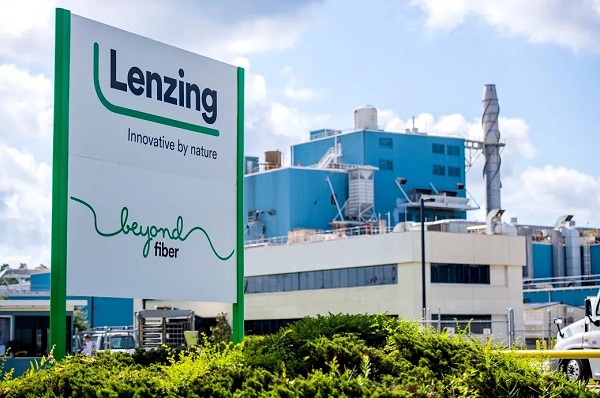
Lenzing Group, a global leader in wood-based specialty fibers, exhibited its range of tailored offerings for the Indian market at the Bharat Tex 2024 exhibition held in New Delhi from February 26-29. The event served as a convergence point for stakeholders across the textile supply chain, emphasizing Lenzing's commitment to sustainable innovation.
Meeting evolving needs of Indian consumers
Lenzing's showcase at Bharat Tex 2024 underscored its dedication to addressing the evolving demands of Indian consumers. The company highlighted its responsibly manufactured Tencel and Lenzing Ecovero fiber brands, which have gained traction in applications ranging from traditional wear to denim and home textiles.
The exhibition witnessed a surge of interest from Indian spinners, weavers, garment manufacturers, and emerging designers keen on integrating Lenzing fibers into their creations. Particularly noteworthy was the enthusiasm surrounding Lenzing's engagement with India-centric applications such as sarees, kurtis, and other traditional attire.
Lenzing's emphasis on value-driven products, exemplified by their Cotton Enhance line, resonated well with manufacturers seeking comfort-oriented options without compromising on style. The company also engaged with students from prestigious design institutes, educating them on concepts like circularity and traceability.
International collaboration and market expansion
The exhibition facilitated discussions with international buyers expressing interest in sourcing products made with Lenzing fibers from India. This signals a promising trend that could bolster local garment and fabric manufacturing, further solidifying India's position as a key market for Lenzing.
Stephan Sielaff, CEO of Lenzing Group, emphasized India's strategic significance, highlighting over two decades of active engagement in the country. Sielaff reaffirmed Lenzing's commitment to sustainability and innovation, aiming to positively impact India's textile sector.
Lenzing actively participated in the International CXO Forum chaired by Piyush Goyal, Minister of Textile, Commerce, and Industry. Discussions centered on strengthening global collaboration with India's textile industry to enhance exports.
Fostering industry relationships
S Jayaraman, Vice President Global Sales - Textile Business at Lenzing Group, emphasized the company's dedication to fostering partnerships that cater to the diverse needs of the Indian textile industry. Bharat Tex served as a platform for networking and relationship-building, reflecting Lenzing's commitment to quality and innovation.
Lenzing's participation at Bharat Tex 2024 showcased its commitment to sustainability, innovation, and collaboration within India's vibrant textile industry. With a focus on meeting consumer demands, driving innovation, and fostering industry relationships, Lenzing continues to play a pivotal role in shaping the future of textiles in India and beyond.
Archroma's Albafix Eco Plus: Lasting color innovation
Archroma, a leading provider of specialty chemicals promoting sustainability, has unveiled Albafix Eco Plus, a cutting-edge wet-fastness improver designed to revolutionize textile production. This innovation addresses the pressing need for durable clothing and textiles with long-lasting colors while adhering to stringent quality standards and minimizing environmental impact.
Albafix Eco Plus boasts unparalleled performance in fixing reactive dyes on cotton, cellulosic fibers, and polyester-cotton blends, ensuring vibrant colors without compromising fabric integrity. Unlike traditional fixing agents, it eliminates common production challenges such as foaming and acid hydrolysis, streamlining the manufacturing process for enhanced efficiency and output quality.
Anish Paliwal, Market Segment Director at Archroma, emphasizes the significance of Albafix Eco Plus in meeting both consumer demands for longevity and industry sustainability goals. By complying with global eco-standards like GOTS and bluesign, this innovation reinforces brands' commitment to environmentally responsible practices, bolstering consumer confidence and supporting green initiatives.
Moreover, Albafix Eco Plus extends its application beyond traditional textile production methods, offering compatibility with various dyeing and washing equipment, including jet applications. Its versatility makes it ideal for a wide range of textile products, from high-performance sportswear to swimwear, ensuring consistent colorfastness across different fabric types.
This launch underscores Archroma's dedication to fostering a more sustainable ecosystem within the textile industry through innovative solutions like Super Systems+. By enabling brands and mills to achieve superior wet-fastness while reducing environmental footprint, Albafix Eco Plus marks a significant stride towards a greener, more resilient textile industry.
Woolrich unveils new advertising campaign for Spring/Summer 2024
Renowned US outdoor apparel brand, Woolrich has unveiled its latest advertising campaign for the spring/summer season of 2024: ‘Origin Stories: Americana.’
This campaign serves as a profound homage to Woolrich's deep-seated connection with American culture, reverently acknowledging its roots and expansive heritage.
Through ‘Origin Stories: Americana,’ Woolrich articulates its commitment to embracing its legacy within the United States, while also charting a strategic course for further expansion across the country and continent. This campaign serves as a beacon, illuminating Woolrich's dedication to celebrating the essence of American identity and the rich tapestry of its cultural heritage.
Central to the narrative of ‘Origin Stories: Americana’ is the art of photography, a timeless medium that captures the fleeting moments of human experience in pursuit of the ideal image. With a masterful touch, New York photographer Dino Kužnik has skillfully captured the essence of Woolrich and its profound connection to the American landscape. Through his lens, the rugged beauty and untamed spirit of the brand come alive, resonating with the vast expanse of the American terrain.
Complementing Kužnik's evocative imagery is the creative vision of stylist Roberto Johnson, whose contemporary sensibilities breathe new life into Woolrich's iconic identity. With meticulous attention to detail and a keen understanding of the brand's ethos, Johnson curates looks that seamlessly blend tradition with modernity, echoing the enduring spirit of adventure and exploration that defines Woolrich.
Through this campaign, Woolrich invites audiences to embark on a journey of rediscovery, where every thread woven into the fabric of the brand tells a story of heritage, innovation, and the timeless pursuit of excellence.
Despite challenges, Salvatore Ferragamo’s performance improves in 2023: Marco Gobbetti, CEO
Reflecting on a challenging yet productive year for the company, Marco Gobbetti, CEO, Salvatore Ferragamo, says, the company managed to enhance its brand, products and network despite encountering a softening luxury market and delayed assumptions
In 2023, Ferragamo saw a 7.6 per cent decline in revenues to €1.15 billion, with net profit plummeting nearly 60 per cent to €26 million. Despite these setbacks, Gobbetti remains committed to the company's growth trajectory, emphasising investments in storytelling, digital touchpoints, and store concepts.
Notably, Ferragamo unveiled a revamped store concept in Milan, receiving positive feedback and boosting sales. Maximilian Davis, Creative Director, also garnered acclaim for his contributions to the brand's visibility and engagement.
The company’s retail sales dipped by 10.8 per cent, while the wholesale channel experienced a 12.2 per cent decrease, attributed to reduced international travel and market softening. Despite challenges, Ferragamo closed non-performing stores and refreshed its online platform.
Earnings before interest, taxes, depreciation, and amortization fell by 15.8 per cent, reflecting increased investments in marketing and communication. Gobbetti reiterated his strategic focus on customer renewal, product innovation, and Davis' contemporary designs.
Regarding regional performance, Asia-Pacific sales decreased by 13.1 per cent, while Europe, Middle East, and Africa saw a modest increase of 3.4 per cent. North America experienced a significant 19.3 per cent decline in sales.
Despite maintaining a positive net financial position, Ferragamo's net debt increased to €486.6 million, mainly due to acquisitions in Greater China.
Looking ahead, Ferragamo plans to open 20 new stores, capitalise on digital channels, and maintain profitability through sales quality and cost discipline.
Intertextile Shanghai Home Textiles-Spring Edition commences
The spring edition of Intertextile Shanghai Home Textiles commenced today, boasting of participants hailing from over seven countries and regions.
Set against the backdrop of the National Exhibition and Convention Center in Shanghai, the expo hosts a diverse array of more than 330 exhibitors, spanning across various product categories such as bedding, bath, down, pillows & mattresses, flooring, loungewear, quilt filling, textile designs, upholstery fabrics, and home textile technologies.
Wilmet Shea, General Manager, Messe Frankfurt (HK) Ltd, says, the past year has been one of steady recovery, and we are looking forward to seeing what’s next as the industry evolves.
Within the trade show, the Bedding Seminar Area promises illuminating insights into sleep technology, while also spotlighting traditional Chinese medicine with talks that correlate various health issues to remedies. The seminar sessions delve into crossover subjects, exploring topical therapy’s role in improving sleep quality, as well as innovations blending medicinal properties with textile design.
Furthermore, seminars falling under the Textiles & Technology theme aim to elucidate sustainability concerns and the future trajectory of the industry.
Notably, the spring show coincides with Intertextile Shanghai Apparel Fabrics – Spring Edition, Yarn Expo Spring, CHIC, and PH Value, creating a comprehensive platform for textile enthusiasts and industry professionals alike.
Coalition launches campaign to close De Minimis loophole
Today marks the launch of the Coalition to Close the De Minimis Loophole, a diverse alliance spanning from families affected by fentanyl tragedies to labor unions and law enforcement agencies. The Coalition's primary aim is to address a significant gap in federal law known as Section 321, allowing tax-free and uninspected entry of packages valued under $800 into the United States. This loophole, exploited primarily by China, has dire consequences, including the proliferation of illicit drugs like fentanyl, exacerbating the ongoing public health crisis.
Representatives Earl Blumenauer (D-OR) and Neal Dunn (R-FL) spearhead efforts in Congress to rectify this issue, advocating for bipartisan legislation such as the Import Security and Fairness Act. This legislation seeks to prevent non-market economies, notably China, from abusing the de minimis threshold. Additionally, it mandates stricter information collection by U.S. Customs and Border Protection to tackle abuse effectively.
The Coalition emphasizes the urgent need for awareness and action, given that nearly three million uninspected packages enter the U.S. daily, with 60 per cent originating from China. This influx poses multifaceted risks, from counterfeit goods to the rampant spread of fentanyl, which claimed over 70,000 lives in the past year alone.
The consequences extend beyond public health to economic devastation, with ten textile plants shuttered and hundreds left unemployed due in part to the influx of low-priced imports containing cotton produced through forced labor.
Voices from impacted communities echo the urgency for reform. Andrea Thomas, founder of Voices for Awareness/Facing Fentanyl, recounts the tragic loss of her daughter to fentanyl poisoning, underscoring the loophole's role in facilitating this crisis. Law enforcement organizations like the National Association of Police Organizations (NAPO) also stress the importance of closing the loophole to stem the flow of illicit narcotics.
The Coalition's call for action is resounding and achievable, whether through legislative measures or executive authority. With lives at stake and industries under threat, swift closure of the de minimis loophole is imperative to safeguard American lives and livelihoods.