FW
EPCH buyer-seller meet in Santiago facilitates Indo-Chile interaction
"The Export Promotion Council for Handicrafts (EPCH) along with the Embassy of India in Santiago, Chile and Santiago Chambers of Commerce organised a buyer-seller meet on March 11 and 12 at Santiago in Chile. The event was inaugurated by Awadh Kumar, Commercial Attache, Embassy of India, Chile and Rodrigo Mujica R Diretor International Affairs, Santiago Chamber of Commerce. Magdalena Diaz Le Fort, Executive Director, Chile India Chamber of Commerce also graced the occasion."
 The Export Promotion Council for Handicrafts (EPCH) along with the Embassy of India in Santiago, Chile and Santiago Chambers of Commerce organised a buyer-seller meet on March 11 and 12 at Santiago in Chile. The event was inaugurated by Awadh Kumar, Commercial Attache, Embassy of India, Chile and Rodrigo Mujica R Diretor International Affairs, Santiago Chamber of Commerce. Magdalena Diaz Le Fort, Executive Director, Chile India Chamber of Commerce also graced the occasion.
In its fifth year, the event featured 32 Indian exporters who displayed a wide range of handicrafts, decorative, houseware home furnishing, garments and made ups, shawls, scarves, fashion jewelry, jute bags, bags, fashion garments, and incense, aromatics and Christmas décor from Delhi, Rajasthan, Uttar Pradesh, Karnataka, Punjab, Maharashtra, Haryana, Kolkata and Madhya Pradesh. Rakesh Kumar, Director General, EPCH said, the main objective of the meet was to enable Indian companies to interact with their Chilean counterparts interested in sourcing handicrafts, gifts, lifestyle products
Indo-Chilean brand interaction
The first day saw meetings of some of the biggest Chilean brands like, Lider DIB Carpets & Home Republic, Cencosud Retails S.A., Lounge, Paris with their Indian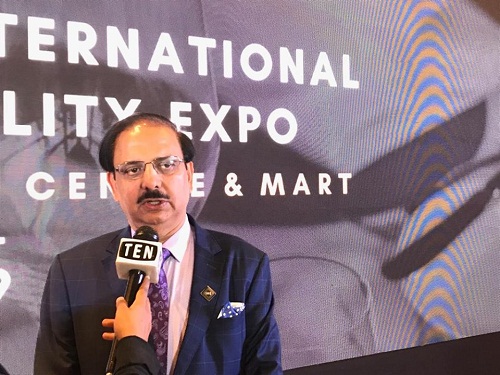 counterparts. Meetings with other major companies like Home Republic, Commercial Windsor Ltda, Imprtadora Triveni SA, Terapias Masajes Sacamostress and La Casa Magica were held on the second day.
As per Kumar Indian handicrafts exports were worth $3,573.49 million in 2017-2018. The average growth in handicrafts exports was between 15-16 per cent per annum. Exports to Chile increased to $12.05 million during 2017-18. The buyer-seller meet will further enhance Indo-Chilean Trade relations.
Gartex, Messe Frankfurt India collaborate for unified platform
"Mex Exhibitions and Messe Frankfurt India have entered into a strategic alliance to create a unified industry platform called ‘Gartex Texprocess India.’ The event will be a part of Messe Frankfurt’s Texpertise Network and leverage on the group’s strong global network and expertise in the sector. With the merger of these two strong textile trade fair brands, the organisers, aspire to collaborate for India’s textile industry development besides facilitating global sourcing and networking in the textile value chains."
 Mex Exhibitions and Messe Frankfurt India have entered into a strategic alliance to create a unified industry platform called ‘Gartex Texprocess India.’ The event will be a part of Messe Frankfurt’s Texpertise Network and leverage on the group’s strong global network and expertise in the sector. With the merger of these two strong textile trade fair brands, the organisers, aspire to collaborate for India’s textile industry development besides facilitating global sourcing and networking in the textile value chains.
Broadening the show’s horizons
The partnership will benefit from synergies created due to higher operational efficiencies, improved logistical know-how, and overall commercial benefits. The experience and scale of operations of Messe Frankfurt will enable Gartex to improve its position in the garment and textile industry. It will boost the show by making it more expansive, broadening its horizons.
Gaurav Juneja, Director of Mex Exhibitions, says, “Gartex India has created new standards for the industry in terms of enhancing awareness, excellent networking, knowledge dissemination and industry bonding. Now, it is time to take it to the next level and with this strategic alliance with Texprocess of Messe Frankfurt Trade Fairs India, Gartex India will realise its true potential and soar to even greater heights.”
Focus on textile and garment manufacturing
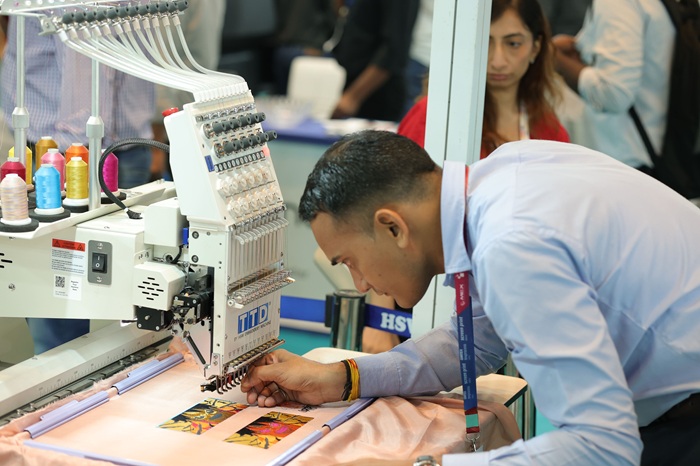
The show will maintain a strong focus on garment and textile manufacturing solutions, embroidery machines, digital textile printing sector, sewing machines, laundry 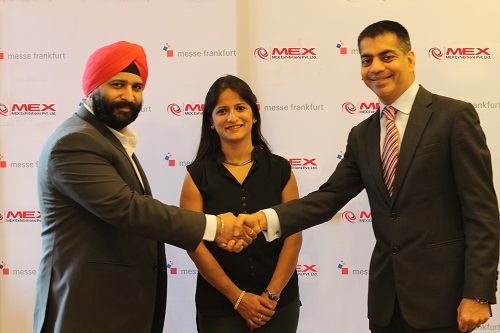 solutions, innerwear manufacturing, denim show, fabrics, accessories, etc. The organisers aim to cover the complete textile process chain in the coming editions. This includes technologies involved in design, cutting, sewing, knitting, embroidery, finishing, refining, IT and logistics which will supplement its textile technologies portfolio through the association with Texprocess.
Raj Manek, Executive Director and Board Member of Messe Frankfurt Asia Holding says, “Together, we are positioned to grow and provide industry stakeholders with a strong brand of enhanced offerings through a single-source business platform - ‘Gartex Texprocess India.’ The alliance has set pace for our brand expansion strategy as India is one the most promising textile markets.”
The unified Gartex Texprocess India edition will be held from August 10 to 12, 2019 in New Delhi.
Peta objects to rear label patch on Levi’s jeans
People for the Ethical Treatment for Animals says the rear label on Levi Strauss jeans that proclaims the brand name should be changed since it is made of cow leather. The animal rights group is calling on the brand to ditch animal-derived leather for a more ethical alternative, specifically vegan leather. Animal leather generates three times the environmental impact of its vegan counterpart, which is typically made from synthetic materials such as polyvinyl chloride or polyurethane.
The Higg Materials Sustainability Index, a cradle-to-gate material scoring tool from the Sustainable Apparel Coalition, rates cow leather as the number one material with the greatest upstream burden. Leather is considered to be a high impact material due to the swaths of land required for cattle grazing and growing feed, the levels of methane the animals release and the amounts of energy tanneries consume.
Animal leather often comes from cows who endure confinement, food and water deprivation, extreme crowding and disease. Branding, tail-docking, dehorning and castration are all commonly performed on them without painkillers, and they’re transported hundreds of miles to feed lots and slaughterhouses, where many are skinned while still conscious.
Denim giant Levi’s has listed empathy as one of its core values.
Pakistan’s textile exports up two per cent
Pakistan’s textile and clothing exports rose two per cent year-on-year in the first eight months of the fiscal year. The primary growth driver was, value-added textiles. Readymade garment exports went up 2.72 per cent in value and 27 per cent in quantity. Exports of knitwear edged up 11.4 per cent in value and 18.3 per cent in quantity. Exports of non-textile products went up by 3.15 per cent. Exports of petroleum products went up 23.64 per cent. Petroleum crude and naphtha led the increase in the sector’s exports.
Footwear exports jumped 14.55 per cent mainly driven by footwear sales. Exports of surgical goods and medical instruments went up by 1.71 per cent. Exports of gur were up by 6.58 per cent, cement by 37.5 per cent and gems by ten per cent during the period under review. Basmati rice exports witnessed a robust growth of 14.8 per cent. Meat and wheat emerged as the other two major export commodities which recorded growth during the period. Other products which also posted growth include oil, fish, seeds, pulses, spices, fruits, vegetables and tobacco.
One of the reasons for the revival of exports was a cash subsidy. Pending refunds to taxpayers were released.
UK buyers want Tirupur exporters to act fast
UK-based buyers want garment exporters based in Tirupur to ship orders before Britain leaves the European Union. Buyers want to avoid losses in the face of possible changes in import and export tariffs in the UK once Britain exits the EU. The Brexit deal is set to be sealed on March 29. It is uncertain, though, how exporters can respond to the request since garments cannot be manufactured overnight.
Britain is one of the major importers of apparel goods from India. For the Tirupur knitwear industry, such exports account for about 12 per cent of their business. Goods worth Rs 3,000 crores are exported from the cluster a year. Trade bodies like the Apparel Export Promotion Council have urged the government to take immediate steps to enter a free trade agreement with the UK once the Brexit deal is completed. They feel since there is a strong preference for Indian apparels among buyers and chain stores in Britain, it will be possible to sign an agreement with Britain.
Brexit is only impacting a limited number of Indian businesses operating and investing in the UK. These include manufacturing companies that rely on just-in-time supply chains and who trade between the UK and the EU.
Textile Forum, UK gets a thumbs-up from exhibitors, visitors
Textile Forum was held in the UK, March 13 and 14, 2019. The show is a one-stop sourcing platform for brands and designers. This year, the show featured a dedicated manufacturer’s area. Exhibitors ranged from specialist lingerie manufacturers and denim producers to pattern cutters. Some 45 exhibitors – manufacturers, textiles producers and trimmings businesses – showed at the event. Exhibitors praised the positive atmosphere, strong caliber of visitors and the focus on UK names at the latest edition of this fashion fabrics trade show. Despite challenges in the fashion market and continuing unease concerning Brexit, the mood at the show was buoyant. The smaller nature of the show – where textile mills offer lower minimums to buyers than at other shows – meant it was potentially benefiting from the uncertainties in the market, as buyers and designers felt the need for flexibility and adaptability from suppliers.
While most exhibitors attended the show to target smaller businesses, visitors ranged from independent dressmakers, new brands and manufacturers to costume designers, luxury fashion houses and high street names. The majority of buyers were London and UK based, although Turkish and Lithuanian visitors also made an appearance.
Report highlights wools’ damaging environmental impact
A recent “Pulse of the Fashion Industry” report shows, sheep farming, just like cattle farming, generates huge quantities of the greenhouse-gas emissions that cause climate change. Wool production gobbles up precious resources. Environmentalists are increasingly highlighting the negative impact of sheep farming on the landscape. Land are cleared and trees cut to make room for grazing sheep, leading to increased soil salinity, erosion, and decreased biodiversity.
In England and Wales, farming has stripped almost the entire upland area of wildlife such as eagles and mountain hares. If we stopped exploiting sheep, this land could be returned to nature, allowing the re-establishment of forests, wetlands, and other vital natural habitats that provide wild animals with homes.
Pesticides and insecticides are often used on sheep to keep them free of parasites. And once sheep have been shorn, their wool is scoured and washed using chemicals, which can also contaminate nearby water sources.
According to the “report and the “Higg Materials Sustainability Index“,greenhouse-gas emissions generated in wool production are far greater than those caused by the production of acrylic, nylon, viscose, and many other synthetic materials.
Rising cotton prices alarm Indian apparel industry
The sudden rise in cotton prices in India might slowdown the already dull apparel business. Cotton arrivals in Tamil Nadu markets have decreased and resulted in a sudden increase in cotton prices. Inflation has already increased the price of warp yarn and soon hosiery yarn prices are also expected to go up, subsequently increasing prices of garments. If cotton prices keep rising, hosiery manufacturers will be affected. The domestic hosiery market has already been reeling under pressure.
While in many countries, a hectare yield 1400 kg of cotton, in India the yield is only around 500 kg of cotton per hectare. Besides, unscientific data collection on cotton production is a bane. Gujarat and Maharashtra together account for more than half of the country’s total cotton production. Textile mills have been advised against panicking over reports of a tight cotton stock position during the current season. The Indian Cotton Federation has appealed to traders to desist from speculating on the production of cotton and increasing the price of the white fiber. Demand for Indian cotton happens to be robust this year from China as a trade war is prompting the world's top consumer to avoid imports from the United States.
BCI experiences historic uptake in 2018
Better Cotton Initiative (BCI) experienced a historic uptake in 2018 as 93 retailers and brands sourced more than one million metric tonnes of Better Cotton. The uptake increased by 45 per cent over the previous year. Retailers’ and brands’ sourcing of Better Cotton accounted for 4 per cent of global cotton consumption. By integrating Better Cotton into their sustainable sourcing strategies and increasing sourcing commitments year-on-year, BCI’s Retailer and Brand Members are driving demand for more sustainable cotton production worldwide.
Better Cotton uptake increased 45 per cent on the previous year, and at the end of 2018, retailer and brand member sourcing of Better Cotton accounted for 4 per cent of global cotton consumption.
BCI’s demand-driven funding model means retailers and brand sourcing of Better Cotton directly translates into increased investment in training for cotton farmers on more sustainable practices. For example, in the 2017-18 cotton season, BCI Retailer and Brand Members, public donors and IDH (the Sustainable Trade Initiative) contributed more than €6.4 million, enabling more than 1 million farmers across China, India, Mozambique, Pakistan, Tajikistan, Turkey and Senegal to receive support and training.
Sustainability initiatives by brands only way to reduce carbon footprint
"A new report by the Waste and Resources Action Programme (WRAP) reveals, around £140-million worth of clothing is discarded every year in the UK. The fashion industry works on a ‘take-make-dispose’ model with new, cheaply-made and cheaply-sold items introduced every season. The total carbon footprint of clothing in the UK has increased since 2012."
 A new report by the Waste and Resources Action Programme (WRAP) reveals, around £140-million worth of clothing is discarded every year in the UK. The fashion industry works on a ‘take-make-dispose’ model with new, cheaply-made and cheaply-sold items introduced every season. The total carbon footprint of clothing in the UK has increased since 2012. According to WRAP, which launched its Sustainable Action Plan in 2016, the main culprit for these environmental impact is the extraction of new resources for clothing – around 9 million tons of CO2e every year comes from fiber production from agriculture or polymer extrusion (for synthetic fabrics).
Therefore, there is an urgent need to secure new sources of materials and find new markets for used clothing.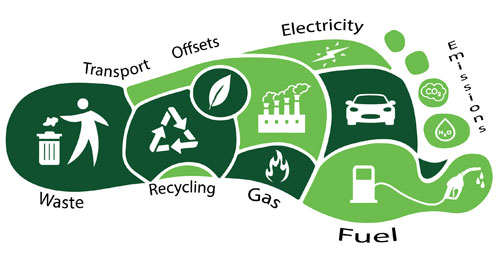 Fiber to fiber recycling offers a potential solution – but one that has not been properly investigated. The report suggests, new processes and entrants onto the market should be monitored for future investment.
Little information on recycling processes hinders growth
The report points out cotton and polyester are the most potential for fiber to fiber recycling. These are most commonly used materials in clothing and household textiles. Increasing demand for cotton also brings positivity into the recycled fiber market.
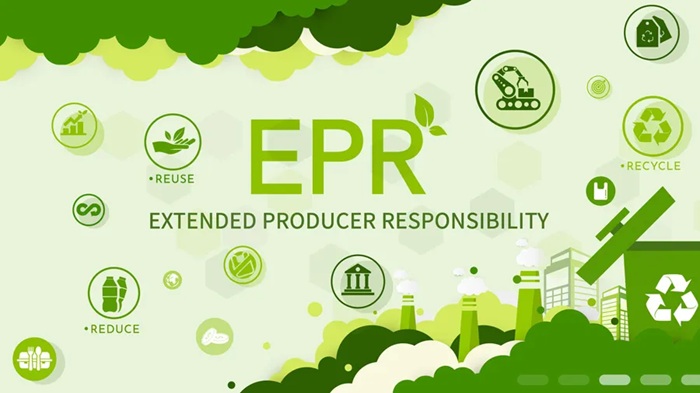
However, the industry needs to overcome significant barriers to increase its uptake of recycled fibers. The first of these includes the lack of information about new recycling processes for fibers. Moreover, collection and sorting of post-consumer textiles need to improve. Costs for this can be potentially funded through an extended producer responsibility (EPR) regime for textiles, which would see producers invest in fiber to fiber recycling. In order to make post-consumer fiber an attractive and financially viable prospect for processors, demand from brands and retailers also needs to be stimulated, along with a more positive perception of recycled materials from consumers.
EAC highlights retailer’s sustainability initiatives
The clothing industry is currently facing increased scrutiny, with an ongoing inquiry from UK Parliament’s Environmental Audit Committee (EAC) looking at the initiatives of leading fashion retailers to improve the environmental impact of their clothing.
The interim report from the EAC highlighted retailers most and least engaged with improving their sustainability record. Brands like Primark, Tesco, ASOS and Marks & Spenser have all signed up to the SCAP 2020 targets. These brands are using sustainable cotton and offering take back schemes for their products. However, many retailers like JD Sports, TK Maxx, Amazon UK, Boohoo have shamed the industry by voluntarily opting out of these targets.