




FW

As per the Hong Kong Trade Development Company (HKTDC) Turkish exhibitors are trying to capitalise on rising prices of Chinese exports. The latest figures show a decrease in Turkey’s trade with China. In 2012, Turkey imported $1.7 billion worth of clothing items from China which is $300 million less than 2011, partly because of tariffs imposed by the Turkish government.
The silk sector particularly is at stake. China dominates the international sale of silk yarn. However, up to 1991, Turkey produced 15 per cent of the world’s silk supply. When China entered the international mark in the late 1980s, it was supplying silk at an unmatchable $4.00 per kg, but these prices have risen dramatically in the following years.
Turkish manufacturers are convinced that Turkish made fabrics may win on terms of overall quality and technical superiority of dyes used. Further, Turkish companies adhere more strictly to product safety guidelines compared to many Chinese competitors. Turkish companies are more hardworking and have greater technical knowledge, much of it gained from broader experience across Europe than their Chinese counterparts.
A local business analyst underlines that despite import taxes, it is still relatively easy, in financial terms, for Chinese companies to trade with Turkey. Domestic Turkish companies, however are looking for quality apart from the lowest price.
According to Turkey Union of Chamber of Agriculture (TZOB) chairman, Shams Bayraktar, “Cotton imports has been continuously rising, owing to the absence of any measures against the import of cotton in the country.”
A statement issued by TZOB, the said the country imported 613,000 tons of cotton in 2012, which is a 442.5 per cent more compared to the 113,000 tons of cotton imported in 1995. Bayraktar said the cotton sector is one of the most strategic sectors in the country, as it facilitates the textile and apparel sector of Turkey. However, the positive and negative development in cotton sector is highly influenced by industry and trade policies as well as world markets.
The TZOB official said cotton production in the country has also been declining consistently, in 2012, cotton produced in the country was 2.32 million tons, this is expected to decline in 2013 by 2 to 1.7 per cent year-on-year. The TZOB official urged that it was necessary to take measures for supporting Turkish cotton growers for them to compete with international markets.
Innovation was an important part of Intertextile Shanghai Apparel Fabrics and Verve for Design proved this fact while showcasing original designs from Australia, France, Italy, Japan, Korea, Taiwan and UK. The zone offered opportunities for new designers to display their work which was a crucial element of Verve for Design, which was firmly embraced by Australia’s Longina Philips Designs. “We have introduced a new constantly evolving collection called ‘The Print Room’, which was created as a platform to facilitate design by young emerging designers and offered us a distinct edge in terms of the design work we can offer to our clients,” said Senior Designer Shannon Cheung.
Handmade designs was one of the main attractions for Chinese consumers particularly in the mid range market. Italy’s Lineastudio di Sartori Stuart & C SAS is on point with this trend, bringing both handmade and digital designs in a bid to meet the major textile players in the Asian market, said Stuart Sartori, President.
This zone was truly about expressing creativity and showcasing originality. As Dietmar Voegel, owner of UK-based Circleline Designs pointed out, “We work with people who are interested in original design and artwork and want to distinguish themselves from the mass market.”
- 1
- 2
- 3
- 4
- 5
- 6
- 7
- 8
- 9
- 10
The Great Fabric Bifurcation: Why 2026 is the year of ‘Brut’ authenticity and ‘H…
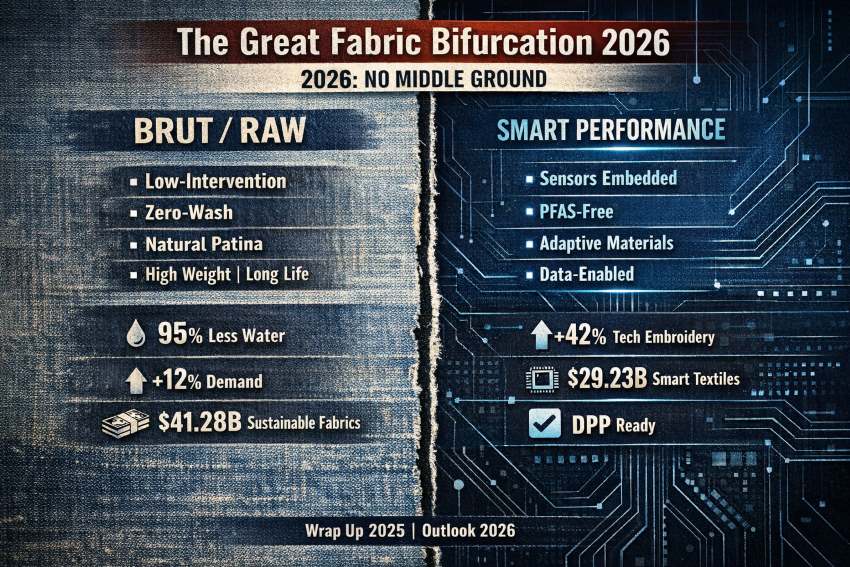
As part of our definitive annual series, "Wrap Up 2025, Outlook 2026," we examine how the textile and apparel sector... Read more
The Recycling Mandate: Converting textile waste into high-value feedstock for 20…
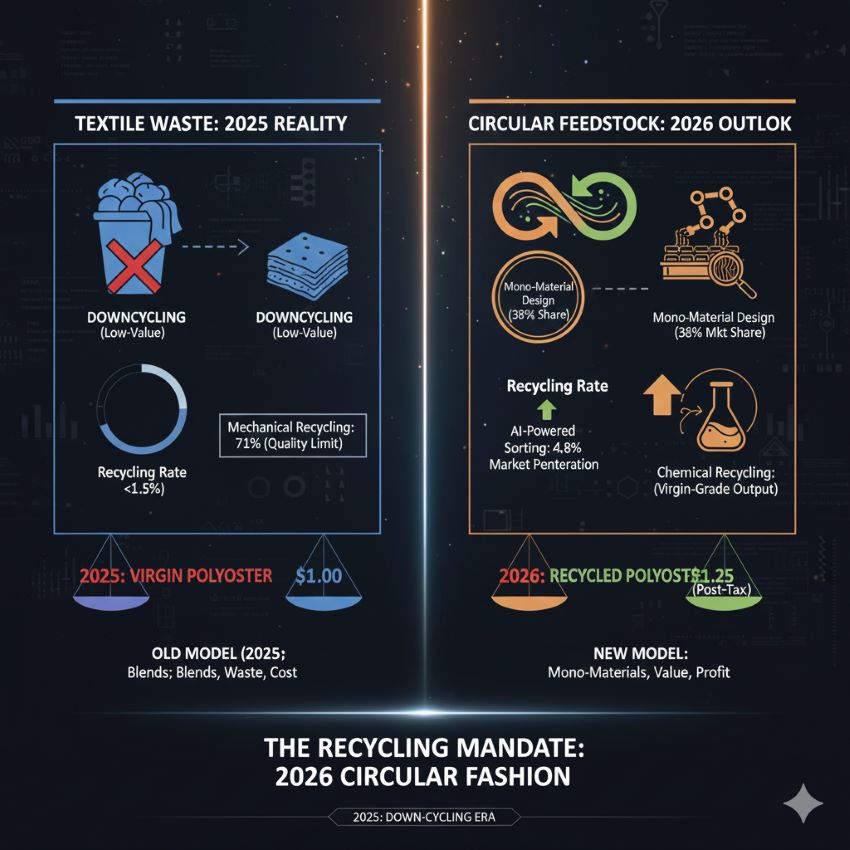
As we present this feature as part of our year-end series, 'Wrap Up 2025, Outlook 2026', and as the apparel... Read more
From Smart Factory to Smart Business: How AI in 2026 is transforming T&A fac…
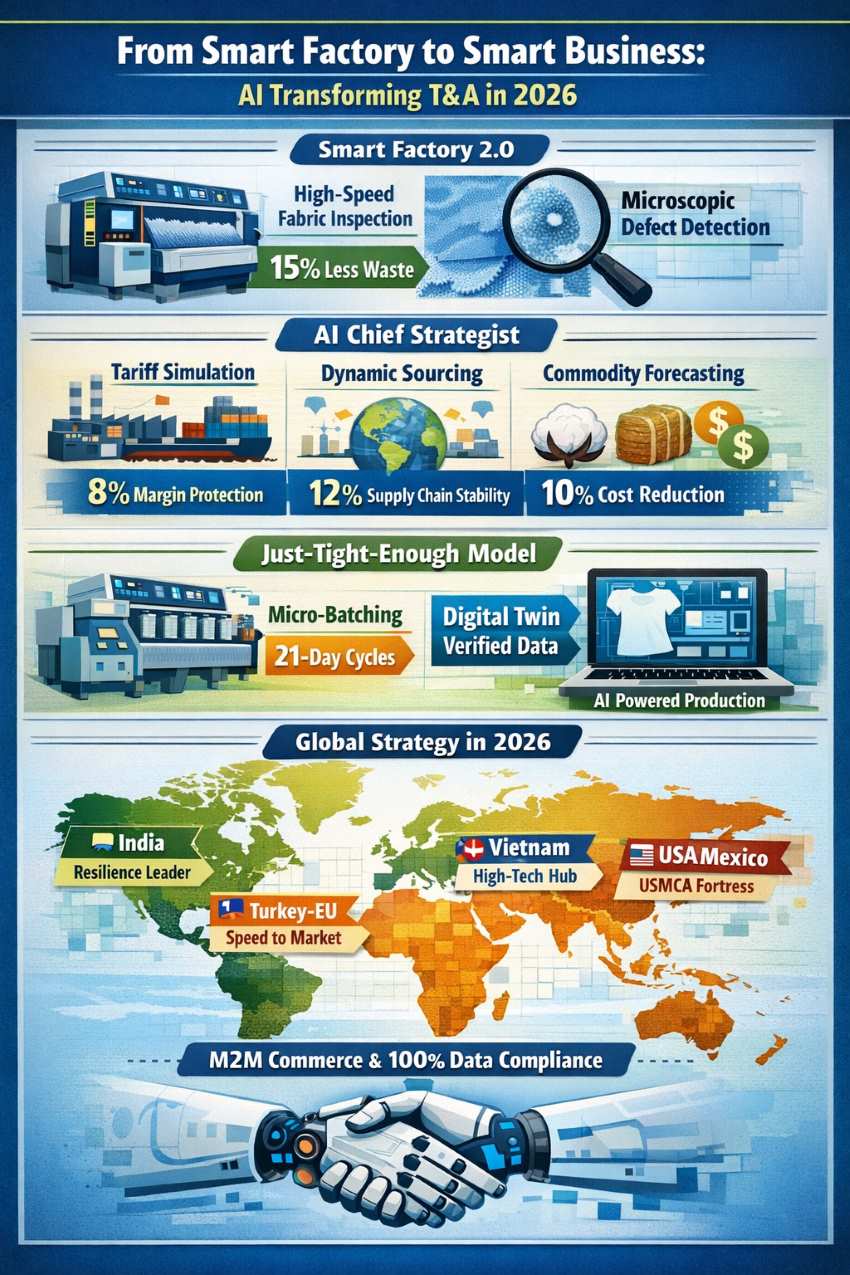
The next feature, we present as part of our year-end series, 'Wrap Up 2025, Outlook 2026', as the global textile... Read more
Paperless or Powerless: Regulations as the new 'Digital Non-Tariff Barrier' defi…
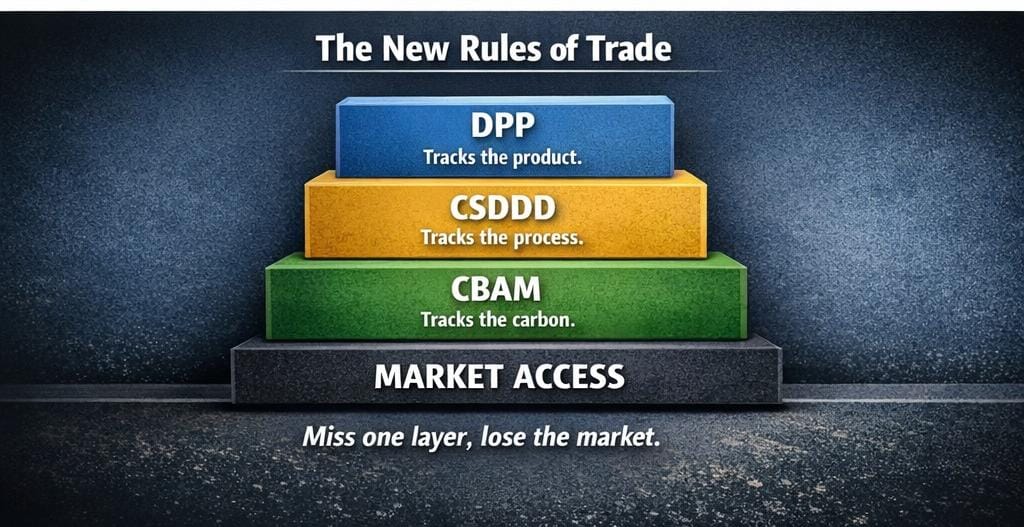
As we present this feature as part of our year-end series, 'Wrap Up 2025, Outlook 2026', the global textile and... Read more
The Circular Yield Why 2026 is the year sustainability paid the dividend

As the global textile industry moves through the final quarter of the year, this feature serves as a cornerstone of... Read more
The Great Decoupling: The global play and regional and country trade outlook
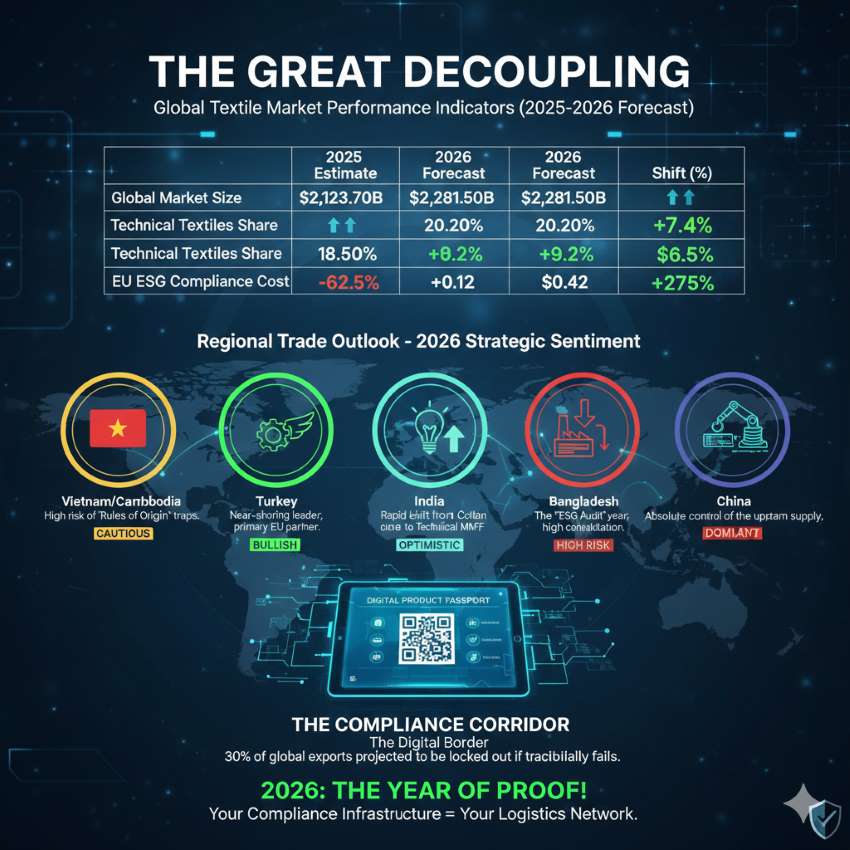
This feature marks the second article in our exclusive series, "Wrap Up 2025 | Outlook 2026," where we dissect the... Read more
The Global Trade Landscape- Sourcing Reset, Resilience, Revolution: Macro driver…

The Great Pull-Forward: A 2025 retrospective The global textile and apparel industry spent much of 2025 in a state of hyper-vigilance.... Read more
Amazon built a $79 bn apparel empire, now it must learn to be a brand

For over a decade, Amazon has reigned over American fashion with a formula built on convenience, scale, and aggressive pricing.... Read more
India’s T&A sector navigates a "Mixed Bag" first half in FY26

The Indian textile and apparel industry is currently weathering a period of complex recalibration. According to the latest Wazir Textile... Read more
Techtextil 2025: Mapping India’s transition to a global hub for value-added tech…
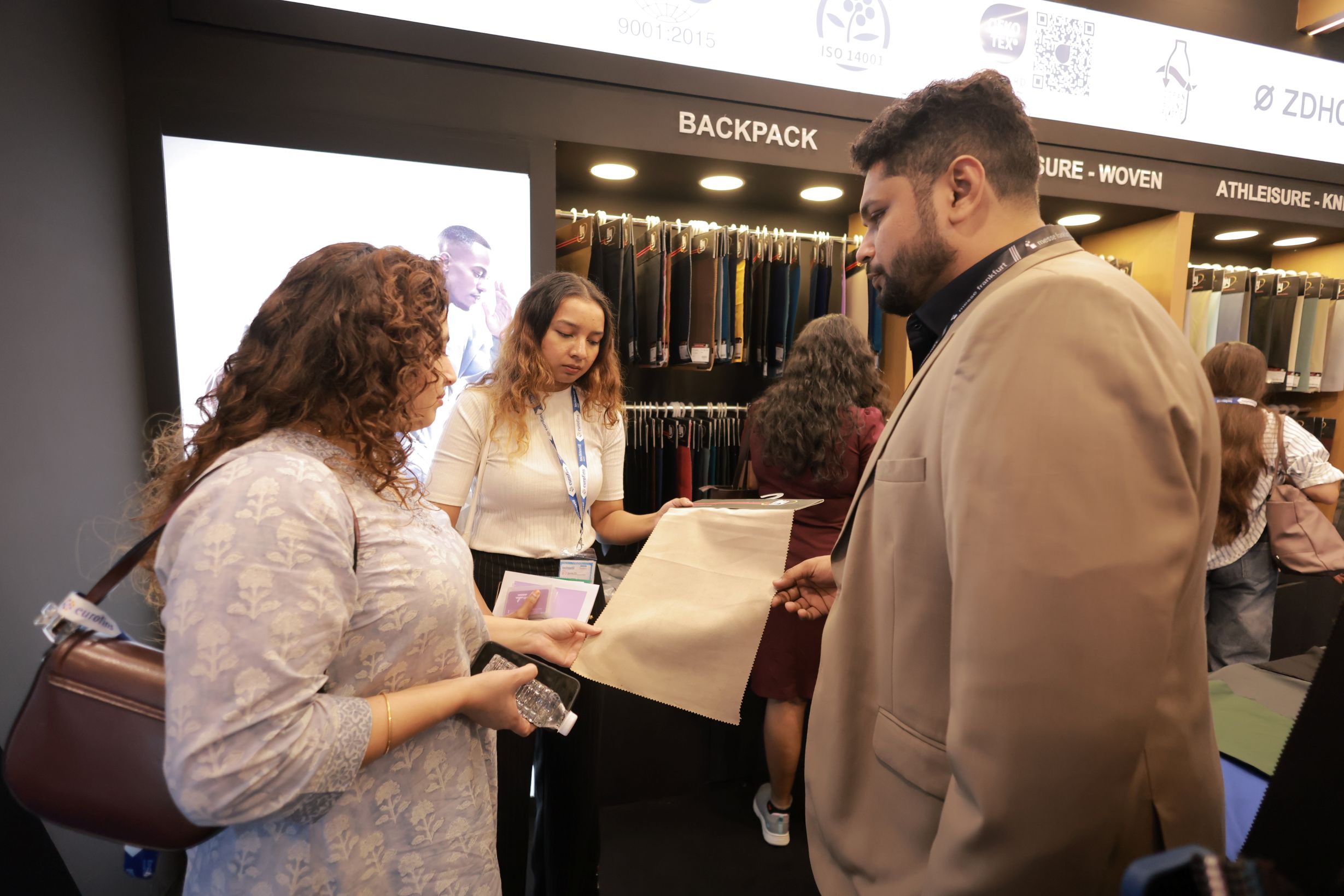
The conclusion of the 10th edition of Techtextil India in Mumbai marks a definitive transition for the country’s textile landscape,... Read more

