FW
Tamil Nadu CM highlights garment exporters’ plight
Tamil Nadu chief minister Edappadi K Palaniswami has taken up major grievances in the textile cluster with the commerce minister Suresh Prabhu. The CM has requested the Union minister to increase the interest subvention from 3 per cent to 5 per cent for the apparel sector. This apart, the exporters’ plea for increasing the duty drawback to remain cost competitive in the global markets was also highlighted.
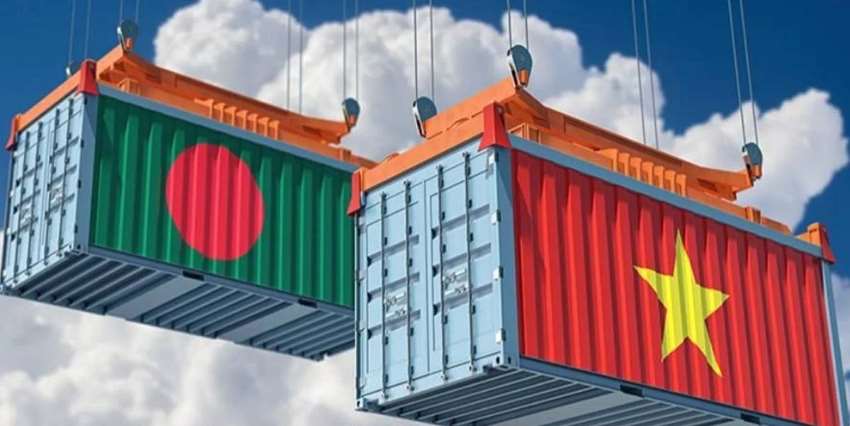
The exporters in Tirupur cluster are also struggling to get a level playing field in European and American apparel markets due to the preferential trade tariff advantages enjoyed by Bangladesh and few other direct competitor countries. For this, the chief minister has suggested expedition of signing of free trade agreements with European Union, United States of America and United Kingdom.
Bangladesh may benefit from trade war
The US-China trade war has come as a boon to Bangladesh’s textiles and apparels. Garment exporters will get cheaper raw materials as a result of cheaper cotton prices in the international market. Bangladesh is the largest cotton importer with a 18 per cent global share. The country imported around seven million bales in 2017. The volume of imports is expected to increase further this year.
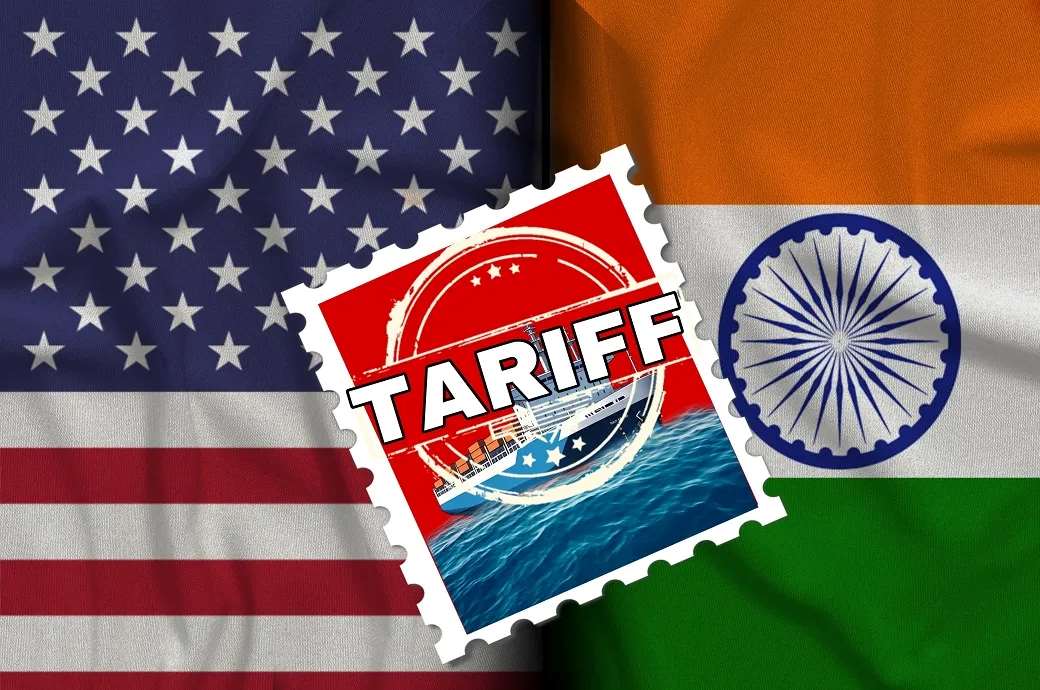
China is the second-largest buyer of US raw cotton. In response to the US measure, China slapped a 25 per cent retaliatory duty on over 100 US goods and commodities, including cotton. Global commodity prices for cotton have been on a downward trend since then. The US is one of the largest cotton producers and imposition of tariffs is expected to decelerate the pace of its raw cotton exports.
If cotton prices fall fabrics prices also fall. Garment exporters hope to get increased orders in the coming days. They are now leaving out many orders due to lower prices being offered by buyers and hope to be able to pick up such orders. India and Pakistan, which produce and consume cotton, will benefit as a result of the war as they may get higher demand for their produce from China.
WWD Magic and Fashion Go sign strategic partnership
WWD Magic has entered a partnership with Fashion Go. The alliance will bring about innovation and strategic influence to the dynamic wholesale industry. WWD Magic is a subsidiary of the UBM Fashion Group and the largest showcase of women’s apparel and accessories in the industry.
Fashion Go is an online business-to-business fashion marketplace. It provides one of the fastest growing global e-commerce platforms offering buyers 24/7 access to its vast collection of wholesale fashion and allowing them to shop the latest trends at the best prices.
The pairing of two leaders in their respective industries is expected to bring about the best of both worlds – the sought-after face-to-face engagement and relationship building of the tradeshow experience and the speed and ease of doing business online.
WWD Magic and Fashion Go as a whole will be greater than the sum of its parts. Both WWD Magic and Fashion Go are powerhouses in their own right. Together they hope to be able to fully support the needs of their industry by playing off each other’s strengths. This partnership will give brands and buyers an enhanced experience that merges both digital and B2B events.
A large part of the fashion business has shifted online but brands and buyers are increasingly feeling the need for an experience offline. This partnership will bring an omnichannel experience that has not yet been done in the fashion industry.
Global fast fashion giants set the trend for success in this space
"When it comes to fast fashion, Zara’s place is quite influential and its supply chain success story is one of the few in the industries to reckon with. It has over 2,200 physical stores globally and ventured online relatively late on (in 2010). Its model also differs from other store focused clothing businesses. Moving starkly away from 8 to 12 weeks cycle, Zara updates designs and ships new product to stores on an average two-week cycle, which is quite a daunting task. Design teams crunch masses of daily store data to inform the trends they are designing for. It employs a batch testing approach whereby small runs of designs are tested (in Zara’s case in store and online), and if the data says there is customer traction, then more inventory is quickly ordered and shipped out to the stores."
 Fast fashion has been gaining prominence globally despite challenges. For consumers, it must seem to be a ‘one size fits all’ template for fast fashion but there are multiple models in operation. Starting from social sellers, to online pure-plays, multichannel giants, and more traditional store focused value-based models, fast fashion has been a winner in every format as displayed by leading global retailers.
Zara, the best example
When it comes to fast fashion, Zara’s place is quite influential and its supply chain success story is one of the few in the industries to reckon with. It has over 2,200 physical stores globally and ventured online relatively late on (in 2010). Its model also differs from other store focused clothing businesses. Moving starkly away from 8 to 12 weeks cycle, Zara updates designs and ships new product to stores on an average two-week cycle, which is quite a daunting task. Design teams crunch masses of daily store data to inform the trends they are designing for. It employs a batch testing approach whereby small runs of designs are tested (in Zara’s case in store and online), and if the data says there is customer traction, then more inventory is quickly ordered and shipped out to the stores.
Many designs are made into finished products locally (around half in Spain or nearby European countries).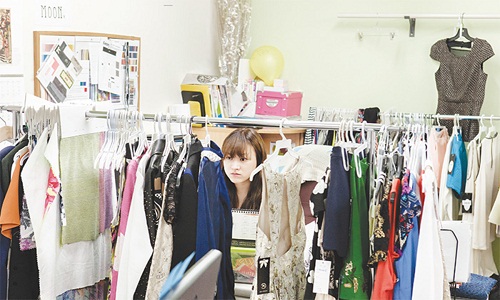 Compared to the traditional seasonal orientated retailers, who operate on lead times which can be up nine months, this gives Zara the edge when it comes to being on-trend and staying relevant. Another key to its ability to stay relevant is only committing to 50 – 60 per cent of their manufacturing in advance versus the 80 – 90 per cent typically adopted by competitors, enabling it to react far quicker to changes in trends, maintaining its ability to fulfil customers fashion focus.
H&M, another showcase of fast fashion
Swedish brand H&M is another successful example of fast fashion. Its supply chain is completely in contrast to Zara. It has longer average lead times (varying from a few weeks to multiple months), and typically places larger order volumes putting more stock at risk of markdown. Recent poor performance has led H&M to invest in its supply chain as it seeks to adapt further to the fast fashion model, introducing greater levels of automation, and looking to reduce lead times as it tries to stay on top of trends.
Fashion Nova in US
Coming to the US market, Nova is a master of the social selling model, using a network of Instagram stars as affiliate marketers. For years since their launch Nova has grown to more than 600 people, who produce roughly 500 new designs a week. Fashion Nova source their clothes in the US and partner with close to 500 sewing factories in the Los Angeles area. About 80 per cent of its products are made in LA and Fashion Nova marketing is delivered via a network of 3,000 influencers that reach tens of millions of fans. These local social media influencers work as brand ambassadors and share their photo along with a ‘coupon code’ with strategic posts. This tracks back the efficacy of that post or representative.
Success traits
Consumers in the 16-30 years’ age group wants to experiment with their clothing, thanks to continuous feeds of the latest media streamed to their pockets, creating an insatiable appetite for all things ‘new’. In order to be successful, one needs to continuously keep evolving. But the challenge doesn’t end here… alongside product, deliver model also needs to evolve such as the one which Amazon is currently testing – a one hour delivery window. Meanwhile, fast fashion companies need to stay in constant touch with people through their social media handles to gain a competitive advantage.
With average return rates for fast fashion clocking around the 20 to 25 per cent, there needs to be an efficient returns channel in order to be a real differentiator. With an aim to cater to global audience, near-sourcing and more onshore manufacturing are increasingly being adopted to speed up lead times, and as fashion trends are changing more quickly and the demand for newness hots up, more demands are being made on manufacturers to become more agile.
Style at a Cost: Deforestation, environment damage a price we pay for fashion
"Garments, traditionally made from animal furs, are increasingly being replaced by synthetic materials, causing large scale deforestation. For instance, a wool sweater, earlier made from animal hair, is now being made from cotton or nylon yarn. Coats are being stuffed with goose down or synthetic insulation depending on the quality of the product. Garments are often made from cotton and the consumer usually is not aware of the specific growing conditions or agricultural practices that lead to their garments. Extremely popular in the 1860s, the silk industry was plagued by a disease that struck silkworms. It was then that the famed scientist Louis Pasteur and Count Hilaire de Chardonnet invented ‘imitation silk’ using cellulose from wood pulp created a fabric now known as rayon."
 Garments, traditionally made from animal furs, are increasingly being replaced by synthetic materials, causing large scale deforestation. For instance, a wool sweater, earlier made from animal hair, is now being made from cotton or nylon yarn. Coats are being stuffed with goose down or synthetic insulation depending on the quality of the product. Garments are often made from cotton and the consumer usually is not aware of the specific growing conditions or agricultural practices that lead to their garments. Extremely popular in the 1860s, the silk industry was plagued by a disease that struck silkworms. It was then that the famed scientist Louis Pasteur and Count Hilaire de Chardonnet invented ‘imitation silk’ using cellulose from wood pulp created a fabric now known as rayon.
Rayon’s forest connection…
Initially rayon was found to be unsuitable for most clothing and was instead used in other products. However, in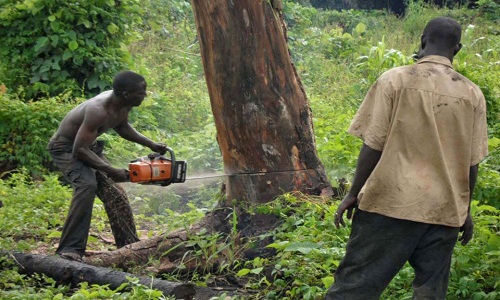 1955, new rayon strong enough for clothes - high wet modulus (HWM) was invented. The result is today rayon is extremely popular. According to TextileWorld, 5.2 million tons of rayon and related cellulose based fabrics were produced in 2015.
As per non-profit Rainforest Action Network’s Out of Fashion campaign, 120 million trees are cut down annually to make our clothes. And Nicole Rycroft, founder of Canopy, a sustainable clothing nonprofit, quoted in The Guardian said that 30 per cent of rayon and viscose (created with a similar process) in clothing is sourced from wood pulp coming from ‘endangered and ancient forests’.
Limited success in conservation
Organisations such as Rainforest Action Network (RAN) and Canopy have pressurised fashion companies to change their deforestation practices with mixed results. In 2010, Canada, Indonesia and Brazil supplied about 60 per cent of China’s pulp import, 75 per cent of which was used to create viscose fabrics. According to The Guardian, 5 per cent of the fabric industry is made up of forest based fabrics like rayon and viscose. It’s projected that demand for these fabrics may grow as fast as 9 per cent annually, which could lead to even more deforestation the world over.
These companies met with few results. Canopy worked with H&M to stop using cellulose from unsustainable sources and RAN’s policies were adopted by Ralph Lauren, Victoria’s Secret and Abercrombie & Fitch. Some companies ignored the pressure, continuing to support deforestation in their supply chains, specifically mentioning Forever 21, Under Armour, Foot Locker, Prada Group and Michael Kors.
Hazardous to health
According to Paul Blanc, author of ‘Fake Silk: The Lethal History of Viscose Rayon’ about 30 per cent of factory workers investigated showed serious signs of poisoning. Studies reveal the direct effect of specific chemicals on human body are difficult to determine and controlled settings are impossible. It’s not hard to imagine that clothing companies hide the darker aspects of their trade. When confronted with the facts that their clothes cause deforestation, the fashion industry claimed ignorance, much like they have claimed ignorance of sweatshops.
Rayon is used to produce tires, cellophane and synthetic sponges also. It’s nearly impossible to live a normal modern life and never use any of these products. What can be done however is sign petitions like the one RAN created. Purposefully buy from companies like Patagonia that put factory workers and the environment as important from the beginning without being pressured from the outside.
US demand for Peruvian garments grows
As per the Exports and Tourism Promotion Board (PromPeru), US demand for Peruvian garments rose 6 per cent between January and April 2018 compared to the same period in 2017. The United States' garment imports expanded 2.4 per cent in the first four months of the current year. Similarly, shipments of Inca garments increased 87.2 per cent between January and April 2018. These were followed by those from Canada (+56 per cent), Brazil (+49.4 per cent), Germany (+39.1 per cent), and Argentina (+17.9 per cent).
Garment exports account for 68 per cent of Peru's total textile sales and 57 per cent of the sector's growth, which is mainly explained by greater shipments of knitted cotton shirts (+43.5 per cent) and cotton T-shirts (+21.5 per cent). PromPeru noted national garment exports amounted to $295 million in Jan-Apr period, up 9.6 per cent over the same term last year. Garment sales abroad saw a 17.5 per cent rise last April compared to the same month in 2017.
New technologies showcased at UK’s Source Denim show
Source Denim was held in the UK from June 26 to 27. Around 20-odd denim players, ranging from mills to garment manufacturers, gathered. Visitors were diverse, ranging from big-name retailers to young designers and online start-ups. The fair’s seminars were a big draw. Sustainability was very high on the agenda.
Aesthetically, there were plenty of fashion-led creativity on display, ranging from raw-edged cut-and-sew techniques, patchwork and paneling. Italian textile treatment specialist Everest showcased waterless ozone machines, lazor technologies and other green methods. This new, sophisticated system doesn’t costs much higher than treatments achieved using traditional processes. Most people can’t see the difference between lazor distressing and the handmade equivalent, apart from possibly the artisans themselves.
The show also had a section on kids’ denim, a growing category. Indian-based garment manufacturer Billoomi Fashion created designs with a decidedly mini-me in feel – bi-material jean jackets, frayed shorts and rhinestone-embellished denim skirts. By 2020, Bangladesh’s Nassa Denim hopes its entire denim range will contain at least 20 per cent recycled yarn. It is currently sourcing recycled denim from shredding companies, spinning it into a greener yarn at its Bangladesh mill, and making sure to use the most eco-friendly dye by DyStar, and applying whiskers and other details with laser technologies.
Maroc in Mode-Maroc Sourcing 2018 to showcase Morocco’s textile industry
Trade Maroc in Mode-Maroc Sourcing 2018, to be held from October 11-12, 2018, will feature around 175 suppliers, full-package and CMT manufacturers, suppliers and services in Marrakech. The show will witness about 1,500 visitors from Africa, Europe and Asia.
The fair will offer a concentrated view of Morocco´s textile industry with a strong focus on fashion, fast fashion and sustainable eco-systems. It will present five ecosystems including fast fashion, denim, jersey/knit/lingerie, technical clothing/sportswear and leisurewear, brands.
Morocco is the economic leader in the Euromed region and ranks 8th in garment exports to Europe. The country offers favorable production conditions including faster delivery, competitive price/performance ratio, modern infrastructure, free access to the European markets, etc. The country also invests heavily in green energy, aiming to cover 52 per cent of its energy needs through renewable sources by 2030.
Vietnam to introduce HIGG index in textile and garment industry
In order to build a sustainable brand for Vietnamese textiles, the Vietnam Textile and Apparel Association (VITAS), the Sustainable Apparel Coalition (SAC) and Hong Kong-based garment firm TAL Group have decided to introduce the HIGG index in the country’s textile and garment industry.
An online self-assessment tool, the HIGG index standardises measures for environmental and social impacts in the textile, footwear and fashion industries. It is a standard sustainable report tool used globally by more than 8,000 manufacturers and 150 brands. Nearly 70 per cent of the businesses in Vietnam are familiar with the index, but only 20.8 per cent of them have tried it, a preliminary survey of more than 200 enterprises revealed.
According to SAC CEO Jason Kibbey, HIGG is a necessary benchmark as enterprises buying raw materials for production and selling products to the United States and EU countries needed the index. (DS)
India, a potent market for technical textiles
"Global technical textile imports are dominated by the US with 17 per cent share; followed by China, Germany and UK with 10 per cent, 8 per cent and 4 per cent, share respectively. The rest of the world accounts for 40 per cent in technical textiles imports. Emerging regions such as the Asia-Pacific and Latin America are presumed to witness rapid growth in multiple segments of technical textiles. China is the largest exporter of technical textile with a share of 24 per cent, followed by the US, Germany, and Republic of Korea with a share of 10 per cent, 9 per cent and 4 per cent respectively."
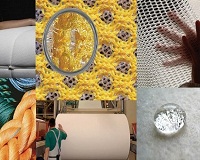 Touted as the sunrise segment for textile industry, technical textile has the potential to bring fortunes for Indian textile industry. Despite achieving high growth rate, the per capita consumption of technical textiles in India is 1.7 per kg vis-a-vis 10-12 kg in developed countries. As per estimates, global market for technical textiles is estimated at $145 billion in 2015 and is expected to grow at a CAGR of 4 per cent and reach $170 billion by 2020. Demand for technical textiles will be driven by rapid industrialisation, robust growth in construction and infrastructure projects, increasing automobile production, and rising demand from the health care sector.
Global technical textile imports are dominated by the US with 17 per cent share; followed by China, Germany and UK with 10 per cent, 8 per cent and 4 per cent, share respectively. The rest of the world accounts for 40 per cent in technical textiles imports. Emerging regions such as the Asia-Pacific and Latin America are presumed to witness rapid growth in multiple segments of technical textiles. China is the largest exporter of technical textile with a share of 24 per cent, followed by the US, Germany, and Republic of Korea with a share of 10 per cent, 9 per cent and 4 per cent respectively.
India story
Indian technical textile market is slated to grow till 2024 and the market is expected to reach Rs 1,16,217 crore (approx $US 17 bn) till 2017-18, from Rs 65,920 crores (approx $US 9.63 bn) in 2012-13 at a CAGR of 12 per cent. Packtech is the largest segment with 43 per cent share of the market, followed by Mobiltech, Indutech, and hometech with a share of 11 per cent, 10 per cent and 10 per cent, respectively. Indutech, Packtech, and Hometech are the largest exported segments having a combined share of around 85 per cent in the total exports of technical textiles. Higher focus on these commodity products is due to the fact that these products require low investments and there is an absence of the required technology and specialty fibers which are required in the manufacturing of advanced technical textile products.
India has a greater scope of becoming a global hotspot for technical textiles. The reasons are many: Abundant availability of textile raw materials; technical textiles being labour-intensive industry, the presence of the large pool of labour at a comparatively low cost in India vis-à-vis other technical textile producing countries like China, US, EU etc. provides India a competitive standing; power costs in India are lower than countries like China & Germany and comparable to low-cost destinations like Bangladesh, Vietnam, Myanmar, Kenya, etc.; developing infrastructural for technical textiles in India, etc.
The segment needs work on issues such as absence of regulatory measures for technical textile usage in infrastructure, construction, etc.; dependence on import for technology and machinery; limited production of high-end products and specialized yarns and intricate duty structures. Suggestive measures include: establishing regulatory norms for mandatory usage of technical textile items in specific industries to increase their consumption, developing exclusive HSN codes for identifying high growth products for further development, establishing and implementing Indian standards for developing high quality products of global acceptance, improvement of operational standards, focus on training and education and creating end user awareness for increasing domestic demand for high end technical textile products. Additionally, partnerships with global players for acquiring technical know-how, the creation of mega parks to attract large-scale investments and focus on R&D initiatives will also bear fruit in the long run.