FW
Fast Retailing transparency moves include divulging key fabric mills, factories
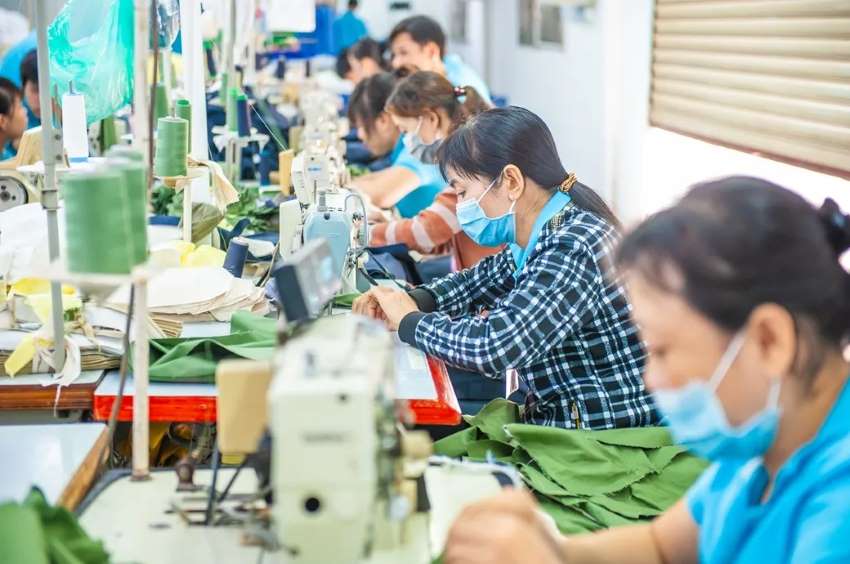
Japanese apparel giant Fast Retailing has declared the list of Uniqlo and GU’s key fabric mills and factories. This was a part of the company’s commitment to increase transparency across its supply chain. It has shown its commitment to ensure the right working conditions for the people and protect the environment in addition to safeguarding human rights.
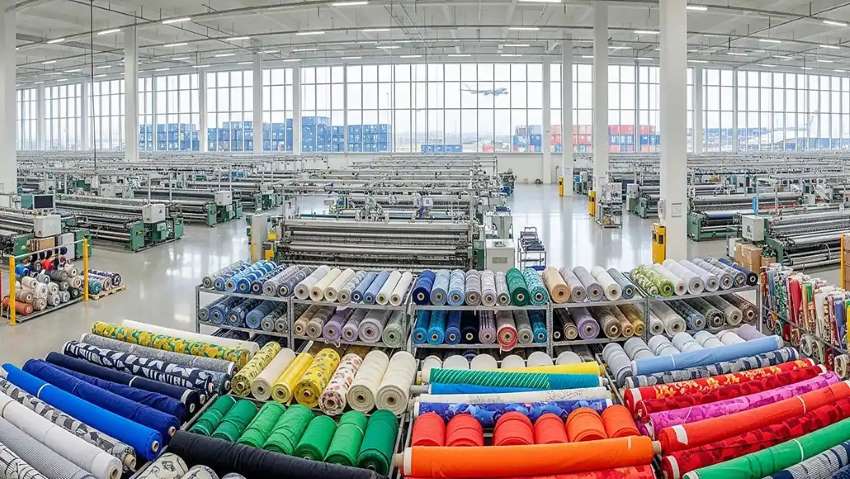
The list published by the group includes sewing factories and fabric mills in China, Vietnam, Cambodia, Thailand, Malaysia, Indonesia, Korea, Japan, Turkey and Bangladesh. Fast Retailing claims to have monitored all aforementioned sewing factories and fabric mills to ensure compliance with its Code of Conduct for Production Partners. The fast-fashion retail, over the last decade has been promoting sustainability by regularly conducting independent testing of factory wastewater so as to remove dangerous chemical discharges.
The Japanese retailer joins elite fashion and sports brands like Adidas, Levi Strauss, Primark, H&M, Nike, Marks & Spencer and Arcadia in embracing and encouraging transparency in supply chain.
PSC meet discusses contribution of ITC to Tajikistan T&C sector
As per ITC Tajikistan, the Project Steering Committee (PSC) meeting held in Dushanbe on November 30, 2018, discussed the role and contribution of the International Trade Centre (ITC) to the textile and clothing sector of Tajikistan. It also discussed the results of the initial year of the new Global Textiles and Clothing Program (GTEX).
The PSC consists of representatives from Tajikistan’s relevant ministries, agencies, private sector, academia, the donor (government of Switzerland), and the ITC. The committee ensures transparency in project implementation and assurance that its outputs respond to the country’s priorities.
The Global Textiles and Clothing Programme (GTEX) launched by ITC aims to boost textile and clothing exports from Tajikistan to stimulate employment and income generation along the textile and clothing value chain. Tajikistan is one of the five countries selected to be part of this new four-year initiative, financed by the Government of Switzerland.
Tencel TM to sponser Intimasia 3.0
Lenzing’s textile brand Tencel TM will be the prime sponsor for this year’s Intimasia 3.0. The Tencel TM intimate fiber is a must have ingredient for a high-quality lingerie and authentic underwear. It absorbs moisture efficiently preventing any chance of bacteria growth. The fiber also manages moisture transportation, enhancing fabrics by keeping skin pleasantly comfortable.
Tencel TM is used in highly specialised applications, and is known for its skin softness; touch smoothness and sensitivity, and enlightening senses. Moreover, it has an amazing efficiency for thermal regulation and moisture absorption. Intimasia 3.0 will be held from January 21-22, 2019 in Delhi. It will highlight all categories of intimate apparels including lingerie, men’s innerwear, kid’s innerwear, sleepwear, loungewear, swimwear, shapewear, activewear, socks & stockings, thermals, leggings, handkerchiefs and other hosiery products. The two-day event will provide a platform to the retailer and distributors to connect and head into the intimate apparel business right away. Retailers from 84 neighboring cities are expected to attend the event.
Exports of Indian cotton, cotton woven fabric to enjoy tax exemptions in Vietnam
India and Vietnam are targeting $15 billion in bilateral trade by 2020. Indian businesses have invested in 201 big projects in Vietnam. The country earned $257 million from selling garments and textile products to Vietnam between April and August of the current fiscal, increasing by 59 per cent than the same period in the last fiscal.
In the first nine months of 2018, the bilateral trade reached $8.27 billion, increasing by 47 per cent over the same period in 2017. In fiscal 2017-2018, India’s global exports of garments and textile were worth $36.73 billion, including $555 million to Vietnam, up 42 per cent over the previous fiscal.
As per a FTA between India and the Association of South East Asian Nations (ASEAN), Indian exports of cotton, woven cotton fabric and knitted fabric to Vietnam will enjoy tax exemption from January 1, 2019 making it a competitive supplier of such materials and machines to Vietnam.
H&M’s Global Change Awards focuses on apparel manufacturing
This year’s Global Change Awards, an annual event organised by the H&M Foundation, emphasised on manufacturing process rather than greening stores and logistics. Fibre and fabric production, yarn preparation and dying contributed to 97 per cent of the apparel industry’s total global climate impact in 2016. Retailers, however, rarely own the factories producing their garments. Zara owner Inditex owns around 3 per cent of its manufacturing capacity, while the H&M Group exclusively works with external suppliers, which number more than 1,000.
In two decades, the H&M Group has grown from a medium-sized European retail chain to the second-largest garment company in the world, producing approximately 3 billion items per year to sell across its 4,800 stores. But a recent drop in sales and profits have forced the Swedish giant to face its structural issues, including a production process which led to$4.3 billion of unsold clothes in early 2018.
The group, which includes Cos, & Other Stories and seven other brands, was one of the first fast-fashion companies to implement programs to reduce its environmental footprint. It launched its first Conscious Collection in Spring 2011, which included materials like organic cotton and recycled polyester, as well as a garment-collecting initiative in 2013.
Fashion occupies third spot in consumer expenditure: HKTDC survey
A recent middle-income consumer survey by Hong Kong Trade Development Council (HKTDC) among Southeast Asian cities particularly Jakarta, Kuala Lumpur and Bangkok revealed fashion occupies the third spot in consumer expenditure after travel and leisure; and health, beauty and wellness. According to the survey, consumers spent most on business attire (28 per cent), casual wear (26 per cent), shoes (22 percent), accessories (12 per cent), travel goods and handbags (8 per cent), and spectacles (4 per cent).
But while ASEAN people sought international designer brands, they were also attached to fashion reflecting their unique cultural heritage and history. The survey also noted some local designers from Indonesia, Malaysia and Thailand who are turning to local cultural heritage and history for inspiration in order to create a distinctive fashion identity.
The survey highlight importance of youth as an essential consideration for foreign fashion brands that wish to tap into the ASEAN market. The region’s trends are moving toward street style, fun denim, off white jeans, oversized shirts, logo hoodies and statement t-shirts. Rock and roll, hip-hop, dramas and movies are all big reference points in ASEAN’s fashion scene. Athleisure is also a prevalent theme of fashion in ASEAN amid a booming global trend toward fitness and healthy living.
The survey likewise underscored the influence of social media on fashion purchases, especially ASEAN millennials’ decisions on purchasing clothing and fashion accessories.
US Apparel sales sees highest growth since 2011, inventory issues plague retailers
"The apparel industry seems to be bouncing back with shoppers flocking reputed stores such as Lululemon, Abercrombie & Fitch, Old Navy and Urban Outfitters this holiday season. As Abercrombie & Fitch CEO Fran Horowitz reveals, outerwear sales are trending higher during the fourth quarter, thanks to cooler temperatures finally hitting much of the country, in addition to soft and cozy items like sherpa hoodies and pajama sets flying off shelves."
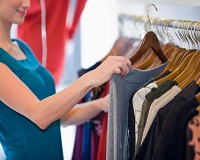 The apparel industry seems to be bouncing back with shoppers flocking reputed stores such as Lululemon, Abercrombie & Fitch, Old Navy and Urban Outfitters this holiday season. As Abercrombie & Fitch CEO Fran Horowitz reveals, outerwear sales are trending higher during the fourth quarter, thanks to cooler temperatures finally hitting much of the country, in addition to soft and cozy items like sherpa hoodies and pajama sets flying off shelves.
Apparel sales to witness exponential growth
As per consulting firm Customer Growth Partners, spending on apparel registered the highest growth since 2011, increasing 5.4 per cent over Black Friday weekend. The category, as Craig Jonhson, President of CGP reveals, normally registers a growth of only 1 to 2 per cent only. The National Retail Federation predicts overall holiday sales will grow between 4.3 and 4.8 percent this year, with apparel retailers making nearly a quarter of their annual sales during the holidays.
Leading brands fuelling growth
Some retailers are known to continuously outperform, with the biggest outperformers being off-pricers. TJ Maxx owner TJX,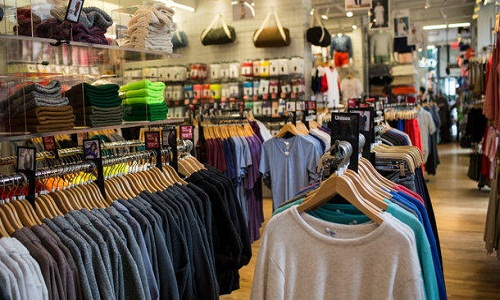 for example, reported a 7 per cent increase in its sales in the latest quarter, with net sales increasing by 12 percent from a year ago to reach $9.8 billion. Brands such as Nike, Adidas and Under Armour are fuelling gains in apparel sales. Targeting women customers, these brands are rivaling Lululemon and Gap's Athleta brand, which are now trying to appeal to more men. Nike, for example, will open up studios to sell yoga pants in some of its stores.
Active wear gaining traction
Johnson points out, performance wear is currently the fastest-growing category with women being more comfortable in wearing leggings, graphic tees and jogger pants outside the house more often. Brands like Bandier, Outdoor Voices and Fila are taking over Instagram feeds, and their puffer jackets and sports bras are on many women's holiday wish list.
Amazon too is expanding its activewear range. Coresight Research reveals that the e-commerce company recently listed over 1 million women's and men's clothing products on its site, registering a 25 per cent increase from February 2018. Basics brands like Gildan and Calvin Klein, along with Under Armour and Adidas, are gaining popularity on Amazon.
Inventory issues plague retailers
However, retailers such as Gap and J Crew are struggling to balance supply and demand, so they don't end up with too much inventory on the shelves or in stock rooms. Nomura Instinet analyst Simeon Siegel noticed during the third quarters that department stores, as a group, reported their first quarter of inventory growth after 10 quarters of declines. These stores have managed to pass on excess apparel inventory to off-price chains such as TJ Maxx and Ross Stores more easily in the past, However, it's becoming increasingly difficult for them to do so now.
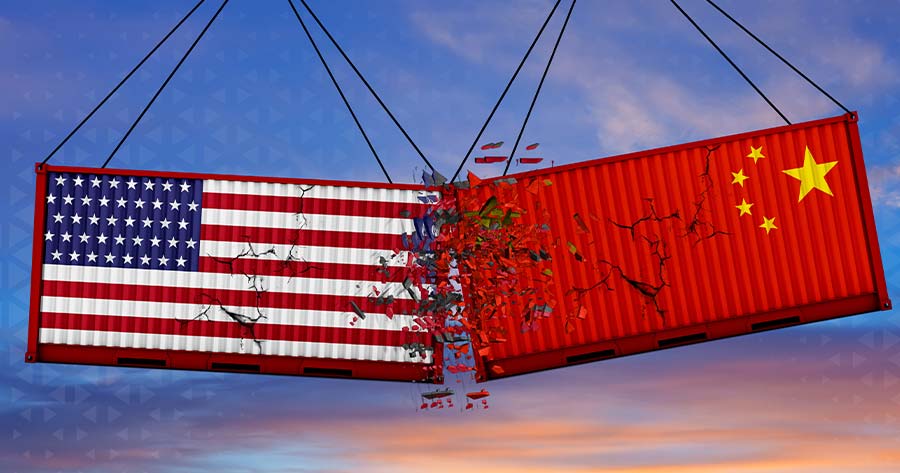
There are fears apparel companies might get more promotional in 2019 increasing the pressure on retailer’s margins. However, US President, Donald Trump and Chinese President Xi Jinping have decided to delay increasing tariffs in early 2019 on many consumer goods, including clothing. As Wells Fargo analyst Ike Boruchow says, this truce will benefit a number of retailers, including Fossil, Stitch Fix, Skechers and Steve Madden.
Fusion wear offers innovative solutions for changing fashion sensibilities
"Initially, ethnic wear was restricted to the more mature woman in her 30’s and 40’s but it is now finding acceptance even among younger women. “The contemporary woman prefers western wear with Indian sensibilities, which is well perceived by Indian brands. Therefore, fusion fashion fairs well in smaller cities. Price point is also a factor to consider while buying international brands,” points out Radhesh Kagzi, President, Fusion Beats, a popular Indian brand which expects its business to grow at 10 per cent this year and plans to set up more stores. "
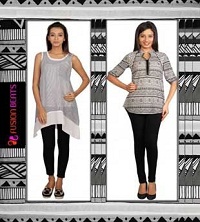 An amalgamation of ethnic and western style, fusion wear is rapidly taking over as an innovative solution to changing fashion sensibilities. Chic yet comfortable, these easily wearable garments are popular amongst Indian urban women across metros and small towns.
Growing demand in smaller cities
Initially, ethnic wear was restricted to the more mature woman in her 30’s and 40’s but it is now finding acceptance even among younger women. “The contemporary woman prefers western wear with Indian sensibilities, which is well perceived by Indian brands. Therefore, fusion fashion fairs well in smaller cities. Price point is also a factor to consider while buying international brands,” points out Radhesh Kagzi, President, Fusion Beats, a popular Indian brand which expects its business to grow at 10 per cent this year and plans to set up more stores.
Uniquely Indian product portfolio
The product range for fusion wear includes leggings, dresses, tops, shrugs, jackets and skirts creating a new apparel segment of ethnic-fusion wear. “Our style statement for festive season includes lot of flared cuts paired with gold embellished fabric embroidered palazzos, dhotis and pencil fit pants. We have included exclusive wear which offers the high end kurtas in combination with palazzos and dhotis particularly for festive season and this style can rule upcoming season with fresh colors combinations like mustard, tomato red, earthy fresh shades. Natural textures are the calling as well as voile and cotton variation of fabrics,’’ points out Rakesh Morvadiya, Director, 18 Fire, the brand from Divyanshi Fashion.
A lot of innovation is happening on fabric front which includes cotton, viscose, Lycra, polyester, wool and linen. Bigger players are now planning out their autumn/winter collection where they are dressing two kinds of customers - one for autumn and second for winter – as India has a large temperature difference across different states.
“W by TCNS Clothing, re-defined mix-n-match and re-considered contrast as the basis of coordinated looks, “says Anant Daga, Managing Director of the brand. It combined its core products into one -- the bottom wear is constructed solely to complete the look of the top wear, in a way that they become two halves of a whole.
Some fusion styles making the rounds are draping a sari with an off-shoulder blouse, pairing a flared palazzo or dhoti pants with an embellished crop top, lehenga in a jacket style and wearing a kurti as a dress or a gown sari.
“Our kurtis give an interesting twist to the routine salwar kameez style that has gained prominence over the last decade. With an Indo-western approach to traditional wear, we boast of a wide range of designer kurtis with latest cuts, fabric mesh and kaarigari also. We also have a designer product portfolio of bottom wear comprising of denims, leggings, Patiala pants, palazzos, skirts, jeggings and a lot more designer products,” says Kirti Shah, Director, Zola, a leading ethnic wear brand.
A promising future ahead
Fusion wear segment is also gaining popularity overseas. Brands are already exploring Dubai, UAE, Qatar and Saudi Arabia, which has the same fashion sensibilities as India.
E-commerce portals and online sales are rapidly catching on. Jabong, Lime Roads, Paytm, Shoppers Stop, Myntra and Tatacliq are some of the popular online portals. E-commerce portals focus on tracking customers through their sites while gaining a better understanding of what they buy and why they buy it. The discounting system on these portals boosts the sales in this segment. With only a handful of branded players in the fusion wear segment, stakeholders see a huge potential ahead.
Saurer launches Autoairo air-spinning machine at ITMA 2019
The Autoairo air-spinning machine, which the innovation pioneer Saurer launched at ITMA 2019, defines new benchmarks in productivity, efficiency and especially automation in the lucrative air-spinning market. The interest from visitors and the spinning industry in general has been overwhelming.
The Autoairo has autonomous spinning positions with individual drives, integrated intelligence and a digital piecing unit. Twenty-four piecing operations can be carried out simultaneously with SynchroPiecing 24. Compared to other machines on the market, the piecing capacity of the Autoairo is roughly twice as high.
The Autoairo requires 40 per cent less space than air-spinning machines with a one-sided design. This means that spinning mills' floor area can be smaller, which reduces construction and air conditioning costs. In this way, the return on investment is accelerated. With MultiLot, up to four lots can be spun on the Autoairo at the same time. In addition, seamless lot changes during ongoing production are possible. With PilotSpin, test packages can be manufactured while the other spinning positions simply continue with normal production. LED strips at each spinning position signal, among other things, that cans need to be replaced soon. This ensures rapid intervention by personnel without the need for cumbersome tours of inspection.
Primark to add one million sq ft retail space in ’19 even as sales dipped in Nov
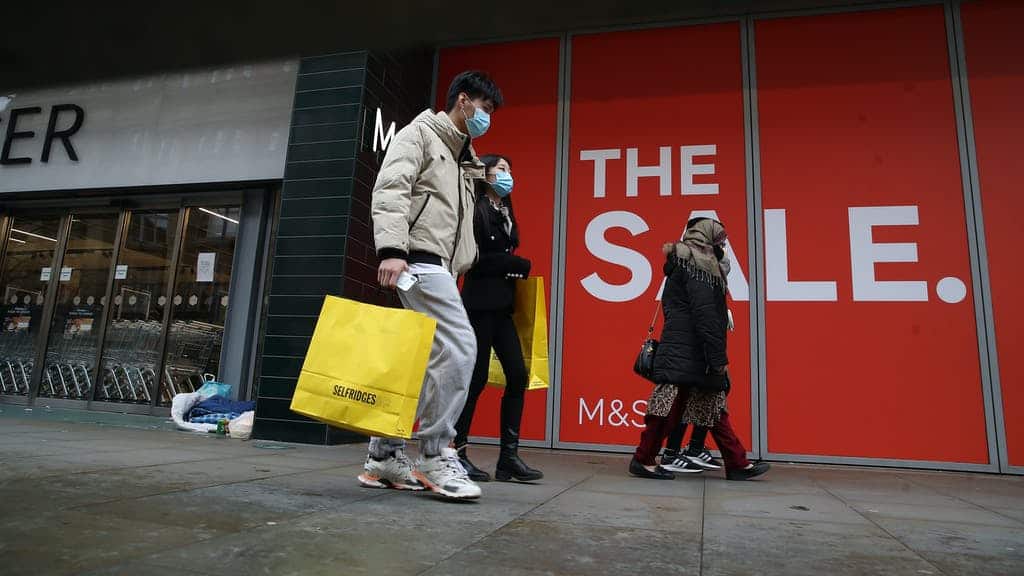
Primark plans to open more than 1million sq ft of new selling space in the coming year, with stores planned in mainland Europe as well as in the UK, including its biggest to date, a 160,000 sq ft branch in Birmingham Pavilions. According to the long-running survey by research firm GfK, sales at Primark stores turned negative in November 2018. Consumer confidence dropped 3 to -13 per cent, the lowest level this year.
As Barclaycard reveals overall consumer spending during the month rose by 3.3 per cent year on year in November, the lowest growth since March, despite the boost from Black Friday, clothing spending contracted by 2.9 per cent, the biggest fall since October 2017, while spending on household appliances declined by 14 per cent.
Famed for its “cheap chic”, careful stock management, coupled with improved clothing profit margins is expected to bring Primark back on the track for bigger profits in the coming year.