North Carolina-based biotechnology firm specializing in machine learning-driven agriculture, Avalo has appointed Michael Kobori to its board of directors. The move signals a transition from pure research and development to the commercial scaling of climate-resilient crops. With his career spanning executive sustainability roles at Starbucks and Levi Strauss & Co, as well as a directorship at Bunge Global SA, Kobori brings a deep understanding of how to integrate sustainable raw materials into high-volume global supply chains. His appointment arrives as the agricultural sector faces intensifying pressure to decarbonize, particularly within the fashion and food industries where raw material production accounts for the majority of environmental impact.
Bridging the gap between seed innovation and retail
While many agricultural technology firms focus exclusively on genetic discovery, Avalo is positioning itself as an end-to-end solutions provider for the ‘seed to store’ lifecycle. Under the leadership of Brendan Collins, CEO and Mariano Alvarez, Chief Science Officer, the company has deployed eight proprietary AI models designed to optimize everything from seed production to agronomy and downstream processing. This ‘Material Honesty’ in the supply chain is critical for 2026, as brands face stricter reporting requirements for Scope 3 emissions. By using interpretable machine learning rather than conventional GMO techniques, the firm aims to deliver traits that enhance productivity and resilience while requiring fewer chemical inputs, thereby protecting farmer livelihoods and corporate bottom lines simultaneously.
Commercializing low-carbon fiber and global staples
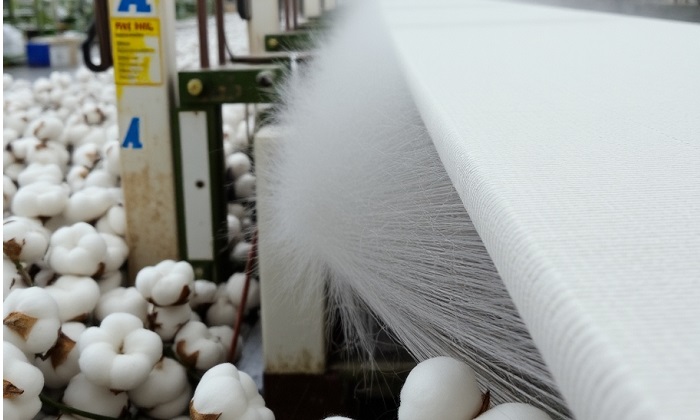
The immediate focus of this strategic partnership is the 2026 market introduction of a proprietary ‘Low-Carbon American’ cotton. Given Kobori’s history with the Cotton Board and the Better Cotton Initiative, his expertise is expected to accelerate the adoption of this fiber by global fashion houses seeking to meet aggressive 2030 net-zero targets.
Beyond cotton, the company is already diversifying its portfolio into other critical commodities. A partnership with Coca-Cola Europacific Partners to lower the carbon footprint of sugarcane indicates that Avalo’s Rapid Evolution Platform is being treated as a horizontal technology capable of disrupting multiple sectors. Based in Durham’s high-tech corridor, the company’s history is rooted in accelerating crop evolution faster and in a more affordable way than traditional breeding, aiming for a permanent shift in how the global food and fiber systems operate.
A Durham-based crop innovation company, Avalo Inc utilizes its proprietary Rapid Evolution Platform to commercialize high-impact plant traits. Unlike traditional breeding, the company’s machine learning models rapidly identify and enhance resilience in staples like cotton and sugarcane. Focused on the American and global supply chain markets, Avalo aims to achieve profitability through licensing and partnerships with major beverage and apparel conglomerates. Since its founding, the firm has sought to eliminate the ‘green premium’ by making sustainable varieties more productive and affordable for farmers than legacy seeds.