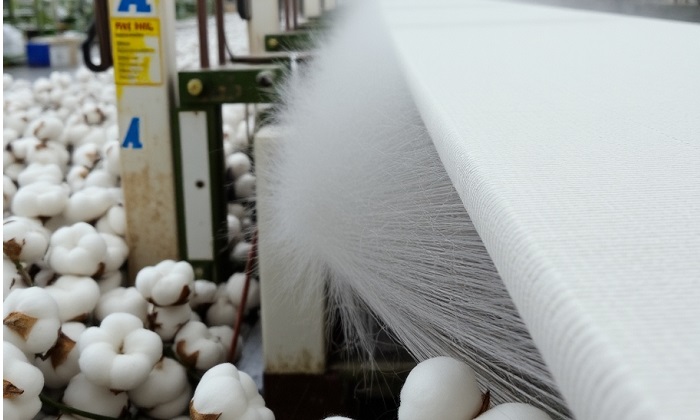
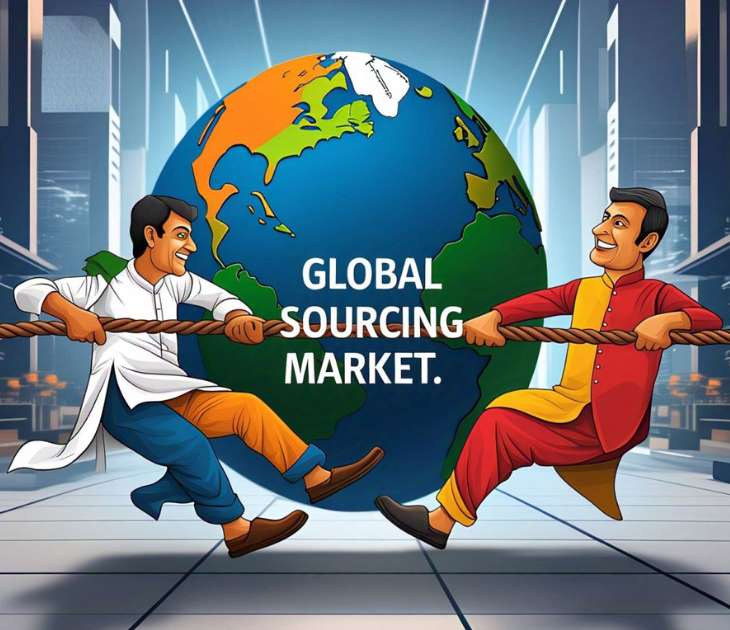
In a decisive move to strengthen its textile backward linkage, the Bangladesh government has decided to reduce the nation’s heavy reliance on imported raw materials - which totaled approximately Tk 26,000 crore in the previous fiscal year - and provide a critical lifeline to local spinning mills currently grappling with intense regional competition and high operational costs.
To achieve this, the government has increased cash incentives for export-oriented ready-made garment (RMG) manufacturers from 1.5 per cent to 5 per cent, effective July 1, 2026.
By tethering the enhanced incentive strictly to the use of domestically produced yarn and fabrics, the government intends to optimize domestic mill capacity and improve the overall competitiveness of the country’s apparel exports.
Boosting value-added manufacturing
Industry leaders have lauded the measure as a timely intervention to narrow the price gap between local and imported inputs, particularly those originating from India. According to Showkat Aziz Russell, President, Bangladesh Textile Mills Association (BTMA), the enhanced support is expected to protect domestic investments and preserve thousands of jobs across the textile value chain. Beyond immediate price competitiveness, proponents argue that sourcing locally offers long-term operational advantages, such as shortened lead times, reduced warehousing costs, and greater production flexibility. These elements are increasingly vital as global fashion brands pivot toward supply chain resilience and seek partners capable of faster response times in a volatile retail landscape.
Navigating structural transitions
The move represents a significant policy shift as Bangladesh maneuvers through its recent graduation from Least Developed Country (LDC) status. While the RMG sector continues to target ambitious export growth - projected to exceed $50 billion in 2026 - manufacturers face ongoing pressures from energy shortages and evolving international sustainability mandates. By reinforcing the backward linkage through fiscal support, the government is attempting to stabilize the internal supply chain, ensuring that local manufacturers can sustain margins while meeting the rigorous transparency and sourcing requirements set by European and North American retail giants.
A global powerhouse
Bangladesh’s textile and apparel sector is a global powerhouse, serving as the world’s second-largest garment exporter. It encompasses a massive vertical value chain, from spinning and weaving to finished garment assembly. The industry is currently transitioning toward green manufacturing, advanced synthetic fiber production, and high-value technical textiles.