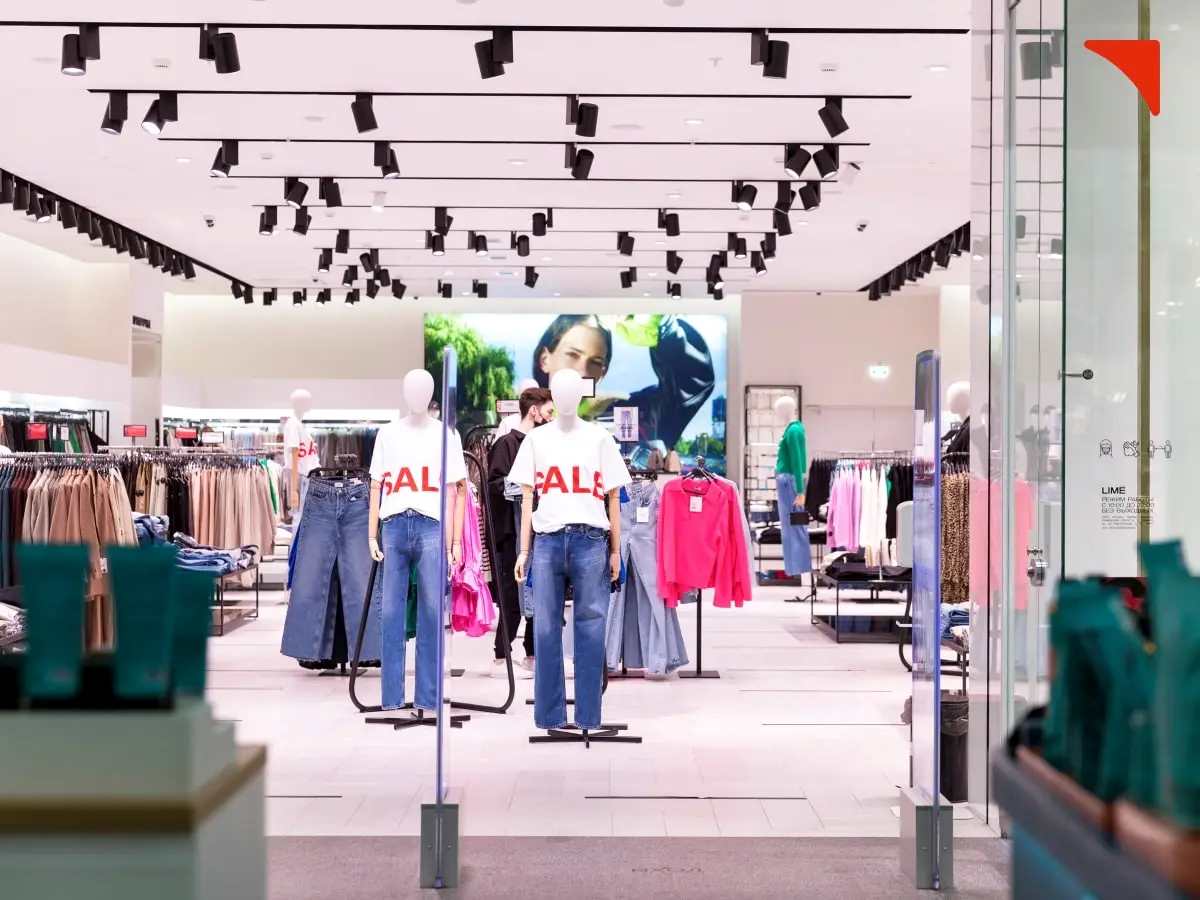
The Middle East children's wear market is growing steadily toward $20 billion, driven by favorable demographics and expanding suburban residential corridors. Regional retail conglomerates are increasingly deploying capital into secondary markets beyond primary metro centers. Children's fashion and nursery retailer Babyshop recently opened a new store at the Mall of Umm Al Quwain, strengthening its network across the UAE’s Northern Emirates. Establishing physical locations within regional shopping hubs allows retailers to optimize lease terms while securing high-intent footfall from suburban families seeking immediate access to infant apparel, travel gear, and nursery products.
Balancing store density with supply chain efficiency
While regional e-commerce sales grow at over 20 per cent annually, physical storefronts remain critical for category verification and high-basket impulse purchases. However, rapid footprint expansion requires disciplined inventory management to mitigate rising freight costs and store operating expenses. Physical touchpoints build long-term consumer trust, while digital integration supports overall volume growth, states Kabir Lumba, CEO, Landmark Retail. The Umm Al Quwain location supports parent entity Landmark Group's broader $1 billion capital allocation to add 400 stores and increase its global retail footprint by 20 per cent.
Offering kids’ apparel and baby care goods
Established in Bahrain in 1973, Babyshop is the flagship children's retail brand of Dubai-based Landmark Group. Managing over 250 stores across 14 MENA countries, the retailer offers kids' apparel, nursery furniture, and baby care goods, supported by Landmark’s $7 billion annual revenue and international expansion plans.