In recent years, the printing and dyeing sector has been negatively affected by Chinese government's intensified environmental regulation so end-users were burdened with hiking printing and dyeing cost. On the other hand, dope-dyed chemical fibre with its low cost and eco-friendly property has grown rapidly. Dope-dyed virgin PSF, for example, has developed and gained around 15 per cent total capacity of virgin PSF in 2016. And among the non-conventional varieties, the black one takes the lion’s share for around 60-70 per cent. Compared to conventional virgin PSF, this variety has shown good cost advantage. Black virgin PSF basically trended likewise with semi-dull virgin PSF in 2016. However, the price spread between the two sustained high at around 1500-2300yuan/mt. At the same time, black rose 1500yuan/mt or 18 per cent, showing this variety has a better anti-risk ability compared with the cost-sensitive conventional PSF which hiked around 2000yuan/mt or 33 per cent. The fundamental reason for the development of doped dyed virgin PSF is its low cost and eco-friendly properties. Compared to 6000yuan/mt cost of printing and dyeing for conventional spun yarn and grey fabrics, downstream plants will save around 4000yuan/mt using black virgin PSF as the feedstock. Not to mention that their production is free from political influence such as environmental regulation. Thus nowadays, the whole industrial chain from chemical fiber plants, spinners to fabrics plants, all are devoted to proclaiming the dope-dyed product to cater for the idea of environmental protection.


- 1
- 2
- 3
- 4
- 5
- 6
- 7
- 8
- 9
- 10
The 10.3 mn-tonne cotton trade boom will be driven by scarcity, not surplus

The global cotton trade is entering an unusual expansion phase. Trade volumes are expected to rise steadily over the next... Read more
From Volume to Value: How fashion supply chains are defending margins through 20…

For decades, the global textile and apparel industry measured success through factory utilisation. Full order books, high machine occupancy and... Read more
The new retail math, smaller footprint, faster returns, sharper focus

The US retail industry is passing through one of its most impactful change in decades. What appears on the surface... Read more
The Operator Economy: China is rewriting the rules of global brand ownership

For decades, Western brands relied on centralized control over design, distribution, merchandising, and retail expansion in China market. That model... Read more
US cotton blacklist reshapes global textile supply chains
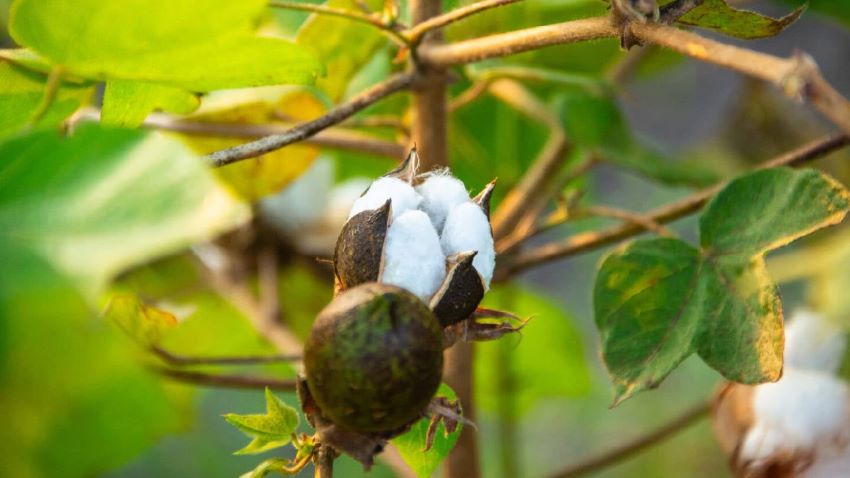
The US’ latest expansion of the Uyghur Forced Labor Prevention Act (UFLPA) Entity List is more than another trade sanction.... Read more
Lean stores, stronger margins, H&M's strategy reflects global retail reset
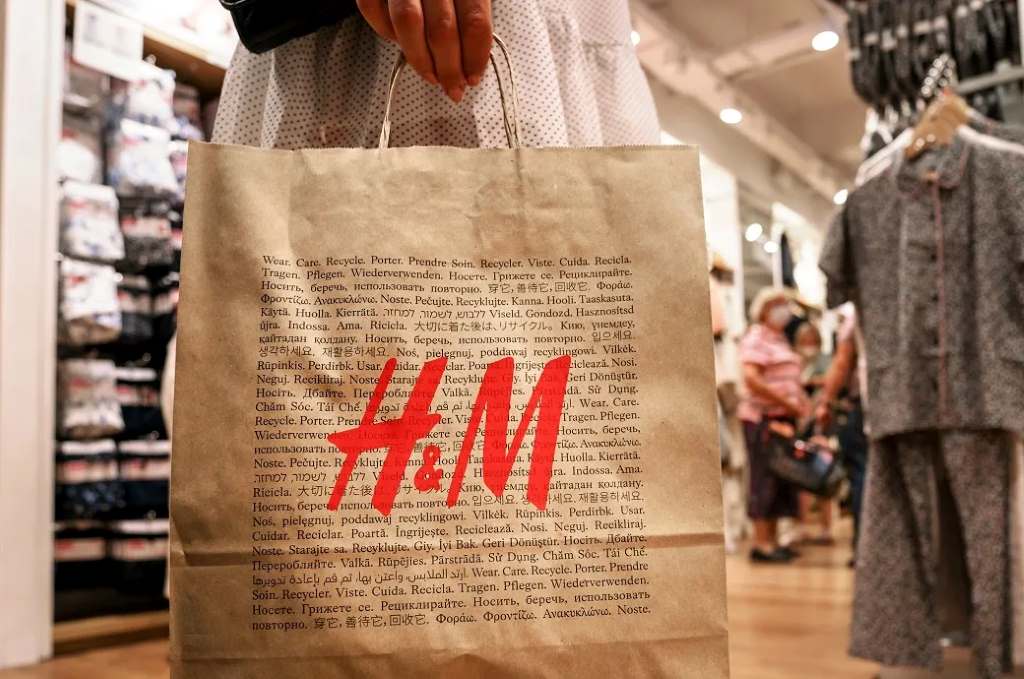
Profits are taking precedence over physical expansion in global apparel retail today. Years of building extensive store networks are giving... Read more
Vietnam overtaking Bangladesh signals a new rulebook for global apparel sourcing

Vietnam replacing Bangladesh as the world's second-largest ready-made garment (RMG) exporter is more than a change in rankings. It marks... Read more
Textile giants spin a stronger profit story in Q1 FY27

After nearly two years of battling volatile cotton prices, higher Minimum Support Prices (MSP), weak global demand and lower spinning... Read more
India must drive scale and competitiveness to expand global textile market share…

India’s long-term growth in textiles and apparel hinges on expanding global export volume, building manufacturing scale, and sharpening cost competitiveness,... Read more
India and Taiwan set for deeper textile synergy beyond competition, says TTF Pre…

Taiwan and India are uniquely positioned to build a highly complementary, cross-border textile ecosystem that leverages Taiwanese technological innovation alongside... Read more

