After three years of creation of the Accord on Fire and Building Safety in Bangladesh, its current status and future challenges were discussed at a side event at the International Labour Conference (ILC) in Geneva recently. Despite some unacceptable delays in remediation progress, the Accord is making significant headway according to representatives from both workers and brands.
With the collapse of Rana Plaza on April 24, 2013, killing 1,134 and injuring thousands more, came an end to the tolerance of voluntary, non-transparent, non-enforceable factory inspections in Bangladesh.
Said Industrial general secretary, Jyrki Raina at the sidelines of the ILC that they will not accept anything less than a legally binding agreement to make Bangladesh’s garment industry safe and sustainable.
Scott Nova, executive director of US-based Workers Rights Consortium, said that the challenges in Bangladesh’s garment industry were not new and not unknown for brands and retailers. Both the Rana Plaza and Tazreen factories had been subjected to numerous voluntary inspections prior to the deadly disasters.
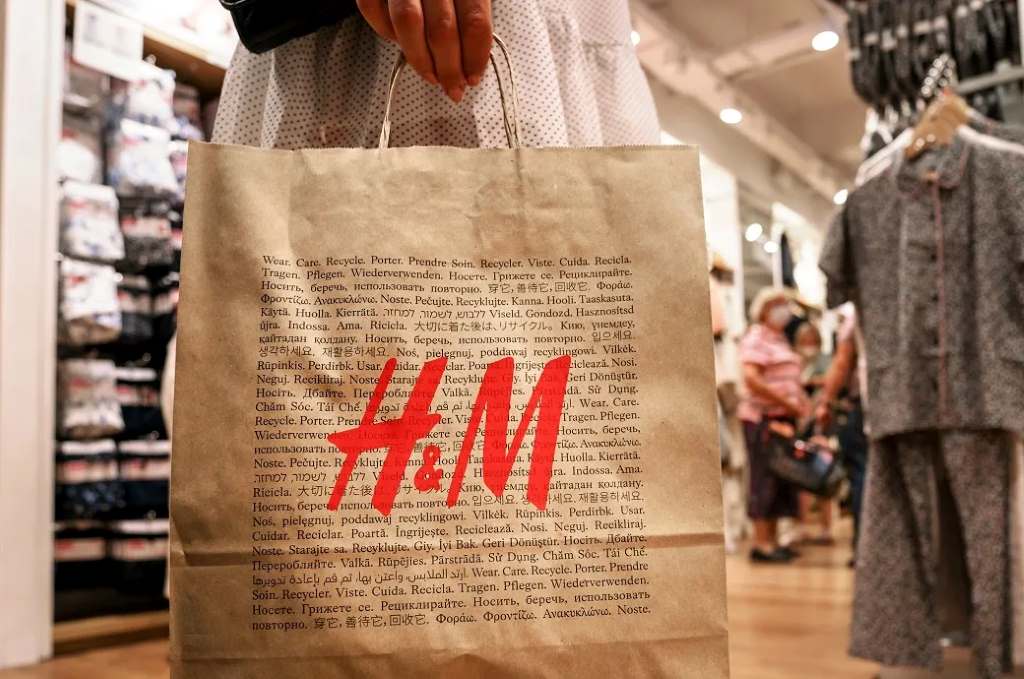
The difference lies in the enforceability of the Accord, which to date, has been signed by 217 brands. Swedish retailer H&M was one of the first brands to sign, and H&M senior advisor KG Fagerlin said that collaboration has been a key factor behind the changes the Accord has brought to the workers in Bangladesh
- 1
- 2
- 3
- 4
- 5
- 6
- 7
- 8
- 9
- 10
The new Brussels rulebook, every EU apparel order is now a balance-sheet risk
The humble export order sheet is undergoing a transformation. What was once a straightforward commercial instrument: SKU, volume, FOB price,... Read more
Why 2026-27 could be a defining cotton year for India’s farm-to-fashion economy
The global cotton economy is entering a more constrained phase, and for India, the implications run far beyond the farm... Read more
Luxury resale’s next big battle is no longer digital, it is about who controls s…
For nearly a decade, the luxury resale story was written in the language of platforms. Market leadership was measured by... Read more
Digital Arms Race: Indian apparel giants deploy AI to neutralize tariff crisis
The Indian textile and apparel sector is in a digital survival phase in 2026, shifting from traditional labor-intensive models to... Read more
Europe’s Textile Endgame: Why Project FAE is becoming fashion’s most critical in…
Europe’s apparel majors are no longer treating circularity as a branding layer. With Project FAE or Feedstock Activation Europe, the... Read more
Engineering color at source, dye-free production is cutting cost, water, and tim…
For over a century, coloring has been anchored in wet processing, an energy-intensive, chemically saturated stage that happen post spinning.... Read more
The €11 bn deadlock, can Europe’s textile recycling catch up?
Europe is at a tipping point. Fast fashion consumption, led by rising incomes and a growing global middle class, has... Read more
From field to fiber, Bharat CottonNet is closing India’s cotton value gap
India’s cotton economy is entering a decisive phase of reform with the rollout of Bharat CottonNet 2026 along with the... Read more
US apparel imports drop 13.5% as Vietnam gains and China’s grip breaks
The US apparel sourcing market has entered 2026 with a sharp demand decline but an equally important shift in supplier... Read more
H&M finds growth below revenue line as margin discipline pays off
H&M Group’s latest quarter signals a decisive shift in global fast fashion: scale is no longer the primary reason for... Read more