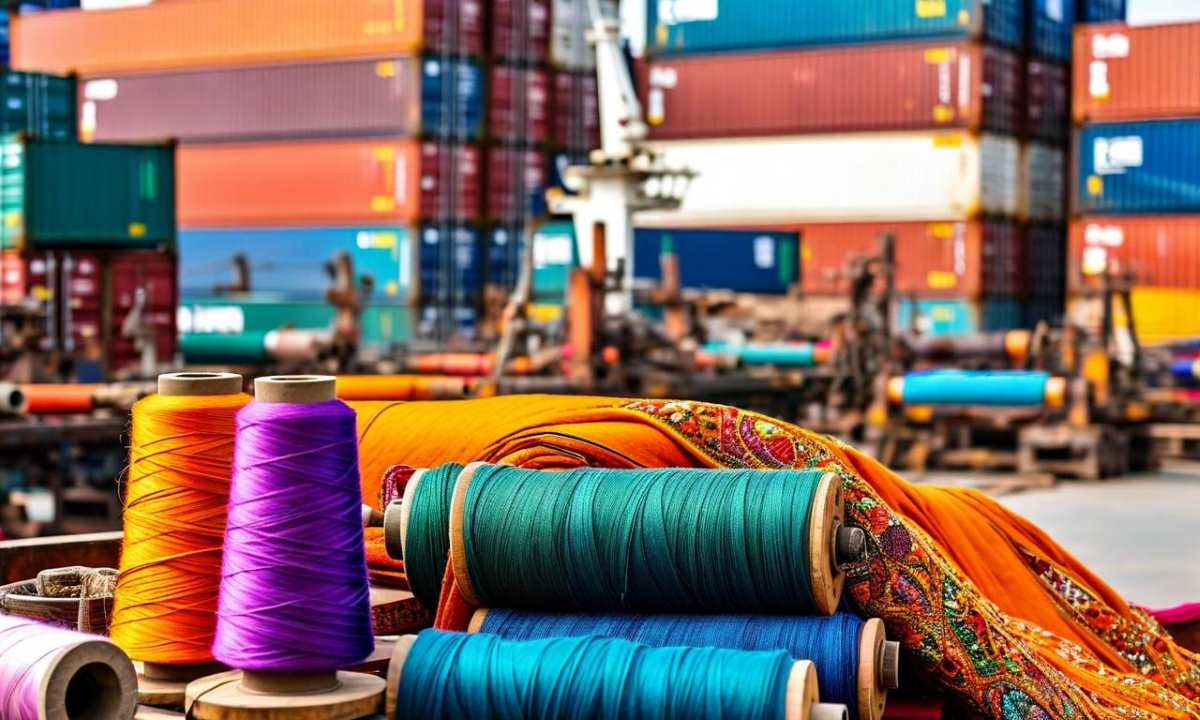
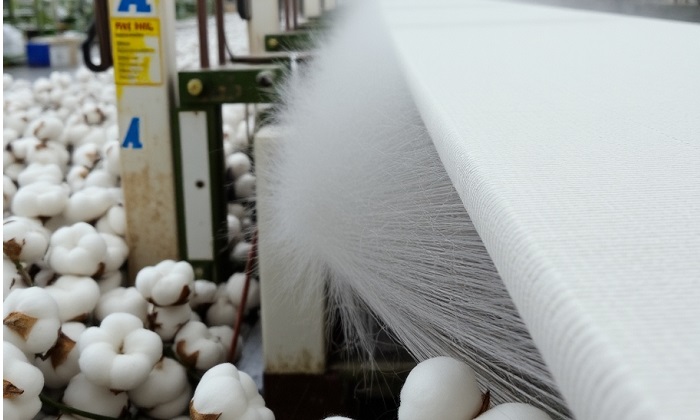
Ethiopia has begun investing in the textile industry. The country's climate is suitable for production of animal fiber and cotton which are significant ingredients in the textile industry. The country also has a huge and young workforce.
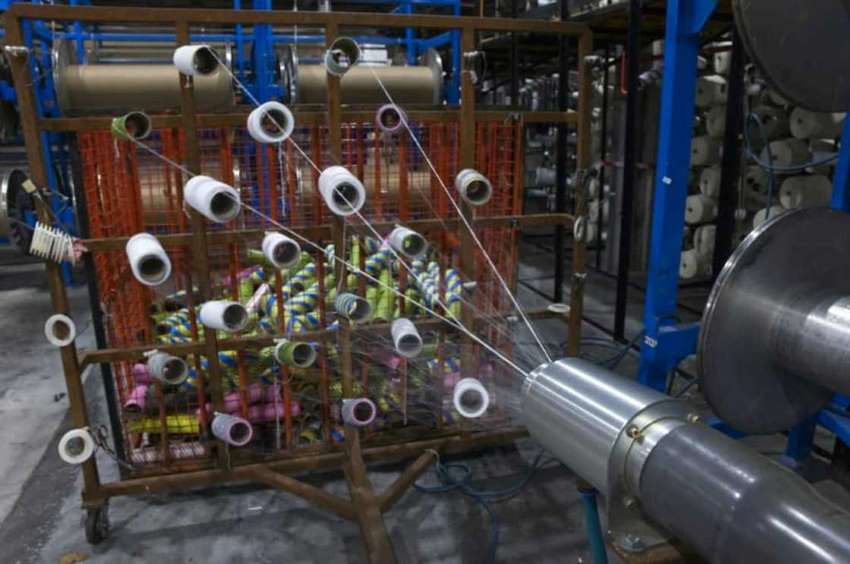
Producing strings, buttons and other textile materials at home could help the nation reduce the import cost. One problem in the Ethiopian textile industry is low capacity of factories and companies. Capacity building is being encouraged. Companies are given help to become competitive. Finance too is a problem. Individuals who have the training and knowledge of the sector have no capital to spend. And those who do not have the understanding and educational background own the capital. The main problem is to coordinate these crucial business partners to work together in a way that’s profitable for the textile industry.
Industrial zones are being encouraged. They can provide an opportunity for technological transformation. Indigenous garment fabrics can imbibe important experience from their foreign business partners. There can be training opportunities. Brand building opportunities can arise. Modern technological equipment and transfer of knowledge can strengthen productivity and help the country set export targets.
The country is working tirelessly to boost various industries that support the journey to industrialization.
- 1
- 2
- 3
- 4
- 5
- 6
- 7
- 8
- 9
- 10
The Invisible Bleed: How a single chemical is slowing India’s apparel machine
The global fashion industry has spent the better part of the past two years obsessing over visible disruptions viz. volatile... Read more
The Closet Paradox: How ‘nothing to wear’ is driving global overconsumption
In an era of overflowing wardrobes and instant fashion gratification, a striking paradox has emerged: the more clothes we own,... Read more
US trade rulings and labor slowdown reshape 2026 cotton supply chains
The global cotton industry is entering a period of adjustment, shaped by legal rulings, trade policy recalibrations, and a softening... Read more
Zero-tariff paradigm drives strategic re-sourcing at Global Sourcing Expo 2026
Projected to reach a valuation of $30.3 billion this year, the Australian textile and apparel market is entering a period... Read more
Strategic manufacturing takes center stage at Gartex Texprocess Mumbai 2026
A $179 billion industrial cornerstone contributing 2 per cent to the national GDP, the Indian textile and apparel sector is... Read more
The Hidden Tax on Fashion: 2026’s EPR rules squeeze margins and shake supply cha…
As the 2026 enforcement deadlines for California’s SB 707 and the European Union’s harmonized Waste Framework Directive loom, the global... Read more
Guess? Inc. retreats from China as American cool hits a cultural wall
For more than two decades, Guess? Inc., the emblem of ‘accessible American cool’, maintained an ambitious footprint in China. At... Read more
The Hormuz Effect: Why a distant war is shaking Bangladesh’s garment exports
The immediate impact of the Iran- Isarel-US conflict is being felt in the logistics arteries that connect Bangladesh’s factories with... Read more
The rise of localized luxury, MEA, North America, and India lead growth
The global luxury industry is no longer defined by relentless expansion. The ‘2025 Global Luxury Brandwatch Report’ highlights a sector... Read more
Hormuz blockade sends shockwaves through India’s textile chain as polyester cost…
What began as a geopolitical escalation in the Gulf has rapidly metastasized into a full-scale industrial disruption for India’s textile... Read more