Currently undergoing a seismic shift, the global synthetic fibers market is projected to grow to $147.21 billion by 2034 from its current value of $79.56 billion.
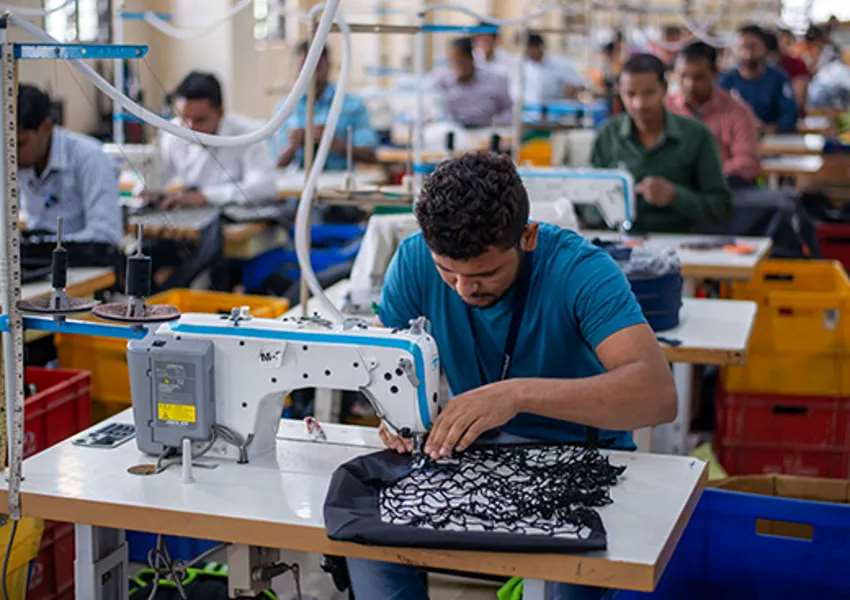
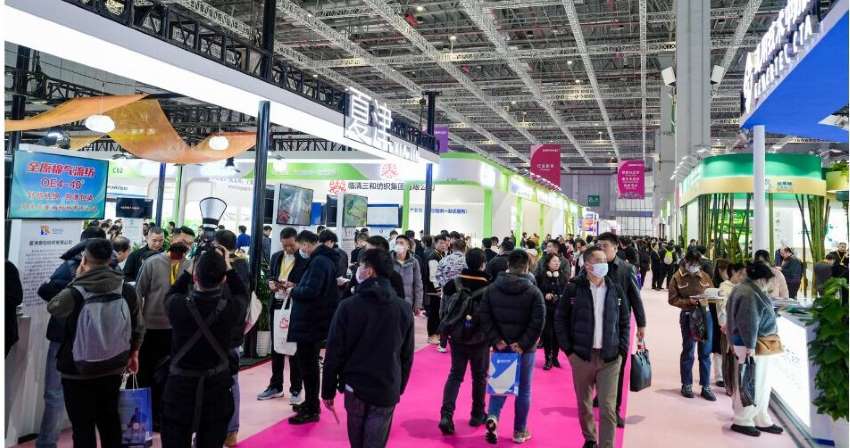
Asia-Pacific remains the undisputed titan, controlling over 65 per cent of the market, with India’s textile hubs like Tiruppur and Surat leading the charge. Tiruppur is aggressively transitioning from cotton to Man-Made Fibers (MMF), aiming to increase MMF production share from 10 per cent to 30 per cent by 2030 to capture the high-growth activewear and technical textiles segments. Meanwhile, Surat is emerging as a critical hub for specialty yarns, with recent innovations in moisture-wicking and flame-resistant synthetic blends debuted at the 2025 Yarn Expo.
Sustainable breakthroughs and the circular economy
A defining trend for 2026 is the rapid adoption of recycled polyester (rPET), which now accounts for a significant portion of the segment's 45 per cent market share. Recent breakthroughs in chemical recycling - notably the 2025 demonstration by RadiciGroup and The Lycra Company - now allow for the seamless separation of complex nylon and elastane blends. This technology addresses the ‘mixed-waste’ challenge that previously sent millions of tons of apparel to landfills annually. Strategic partnerships are fueling this transition; for instance, Indorama Ventures recently launched its deja Bio portfolio, offering traceable, low-carbon PET fibers that allow global apparel brands to hit stringent Scope 3 emission targets while maintaining high-performance durability.
Beyond apparel, the industry is witnessing a CAGR of 7.34 per cent in the home furnishing segment, driven by demand for durable, easy-to-clean upholstery and carpets. North America has emerged as the fastest-growing region with an 8.75 per cent CAGR, largely due to the integration of high-performance synthetics in the automotive and aerospace sectors. As manufacturers navigate fluctuating petroleum feedstock prices, the shift toward bio-based synthetic alternatives like bio-nylon is providing a stable, eco-friendly hedge. This evolution ensures that synthetic fibers remain the backbone of the global textile value chain, balancing cost-efficiency with a newfound commitment to circularity.
Established in 1975, Indorama has evolved from a small Indonesian yarn manufacturer into the world's largest producer of PET resins and polyester yarns. It serves global fashion, packaging, and automotive sectors across Asia, Europe, and the Americas.