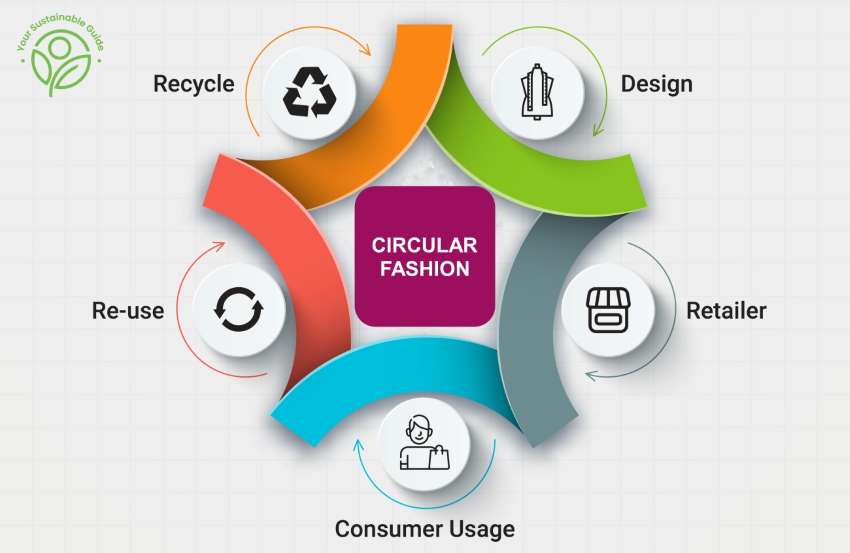
India is formalizing its textile circularity framework with the release of a landmark report, ‘Mapping of Textile Waste Value Chain in India,’ unveiled by Giriraj Singh, Union Minister of Textiles. The study serves as a strategic blueprint to capitalize on the country’s annual generation of 70.73 lakh tons of textile waste, transforming what was previously viewed as refuse into a high-value economic asset. With the recycling market projected to reach US$ 3.5 billion by 2030, the government is incentivizing a shift from traditional disposal methods toward advanced, technology-driven recovery systems.
Enhancing circularity across manufacturing hubs
The report details a robust industrial landscape where 95 per cent of pre-consumer manufacturing waste is already reintegrated into supply chains. The spinning sector has set a global benchmark for circular production, with nearly 100 per cent of spinning waste being managed through in-situ closed-loop processes. To scale these successes, the Ministry is focusing on cluster-level infrastructure development. By establishing specialized recycling zones in textile hubs like Panipat, Tiruppur, and Surat, India aims to reduce logistical friction, allowing waste to be processed closer to the source of generation. This model not only improves operational efficiency but also enhances the traceability of recycled fibers, a requirement increasingly demanded by international fashion retailers.
Sustaining livelihoods and driving Green employment
Beyond infrastructure, the report highlights the critical role of India's extensive informal collection network, which currently diverts approximately 55 per cent of post-consumer waste from landfills. This ecosystem supports 40–45 lakh livelihoods, providing essential economic opportunities for marginalized communities and women. As the sector adopts emerging chemical recycling technologies - capable of regenerating fibers at the molecular level - it is expected to create nearly one lakh new ‘green jobs’ by 2030. This transition underscores a broader industrial strategy to align rapid sectoral growth with sustainability mandates, positioning India as a global leader in the sustainable textile trade.
The textile recycling industry focuses on the collection, sorting, and transformation of pre-consumer and post-consumer textile waste into reusable fibers and materials. The sector serves global apparel and industrial markets. Through strategic infrastructure investment and policy support, India aims to strengthen its circularity, reduce environmental impact, and generate sustainable employment.