H&M is joining forces with artist M.I.A. for the fashion retailer's latest sustainable campaign, World Recycle Week, an ambitious garment collecting movement. Starting from April 18 to 24, H&M, the first fashion company to launch a global garment collecting programme, aims to collect 1,000 tons of unwanted garments from customers in its more than 3,600 stores worldwide.
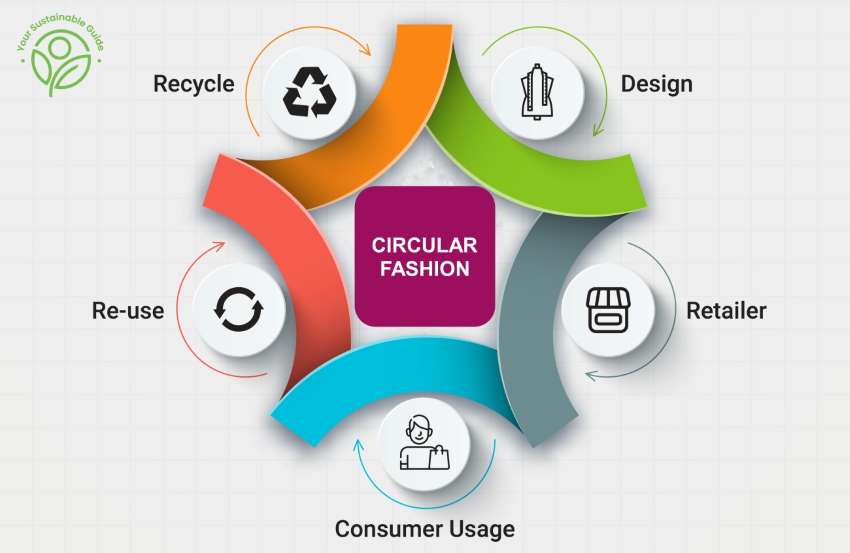
This is part of H&M's goal to close the loop in fashion by recycling garments to create reusable textile fibers. To help raise awareness, M.I.A. has filmed an exclusive new video for H&M highlighting the environmental impact of clothing going into landfills around the world. The video will debut on 11 April at hm.com.
H&M intends to create a viral campaign to generate a global recycling movement to mark the first ever World Recycle Week. The video, starring M.I.A., features a diverse supporting cast including models, actors, dancers, and social media mavens, who will take to their social channels leading up to World Recycle Week, encouraging everyone to participate in ‘#HM rehaul’ video call to action.
The term ‘rehaul’ is being exclusively used as the antithesis to a blogger haul video, which typically show items recently purchased. #HMrehaul videos will exhibit customers around the world filming the garments they intend to recycle followed by a drop off at their local H&M store's collection bin, available in every store worldwide.

- 1
- 2
- 3
- 4
- 5
- 6
- 7
- 8
- 9
- 10
Next-gen digital Indigo systems redefine textile manufacturing economics
The global textile sector is experiencing a structural shift as industrial-scale digital dyeing technologies replace traditional indigo vats in major... Read more
Fashion retail’s physical comeback, stores become experience hubs
Online shopping has permanently altered fashion consumption, making convenience, algorithmic recommendations, endless assortment and doorstep delivery standard expectations. Yet the... Read more
India reworks apparel export strategy as US tariffs squeeze margins
As tariff volatility, shorter retail buying cycles and aggressive price negotiations in the US expose weaknesses in the country’s traditional... Read more
MIT’s recyclable yarn could disrupt spandex’s grip on fashion
Stretch has become essential to modern fashion. Activewear, denim, underwear and athleisure all depend heavily on elastic fibres such as... Read more
Speed, synthetics and trade pacts propel Vietnam past Bangladesh
Vietnam has overtaken Bangladesh to become the world's second-largest exporter of ready-made garments (RMG), marking more than a symbolic change... Read more
The €2,150 Question: Can Europe afford circular fashion at scale?
Europe's push to build a circular textile economy is facing an uncomfortable commercial truth. The technology capable of producing virgin-quality... Read more
From cotton peaks to polyester pressures, textile supply chains face a reset
The assumption that textile supply chains can absorb periodic swings in cotton prices has become untenable. During the first seven... Read more
Global sourcing reset exposes India’s apparel competitiveness gap
The assumption that global apparel sourcing would naturally shift from China to India is proving increasingly misplaced. Fresh trade data... Read more
The new fashion equation, quality, agility and value replace speed and discounts
The traditional order that once separated low-cost fast fashion from premium luxury is steadily breaking down as consumers become more... Read more
AI goes invisible as fashion brands rewire design studios
The fashion industry's digital transformation is entering a new phase. After investing heavily in sophisticated 3D computer-aided design (CAD) platforms... Read more