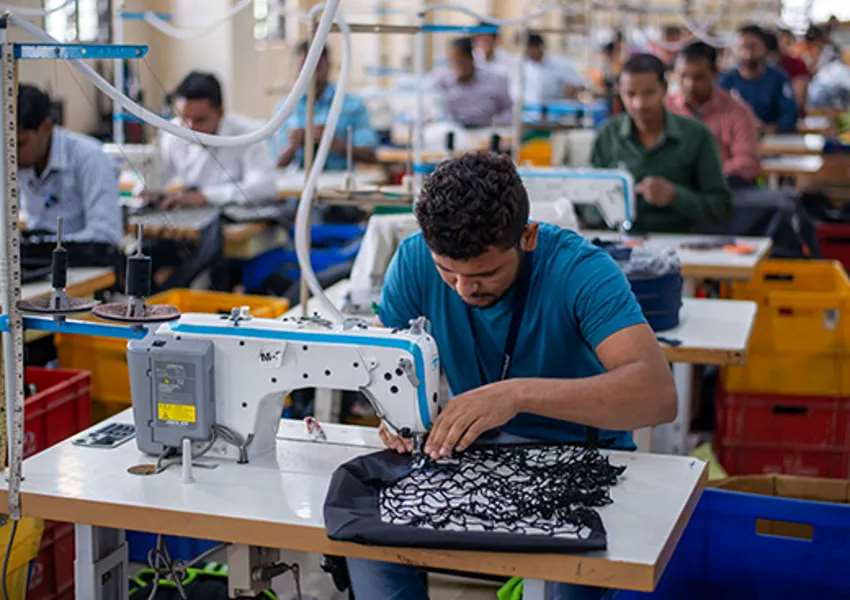
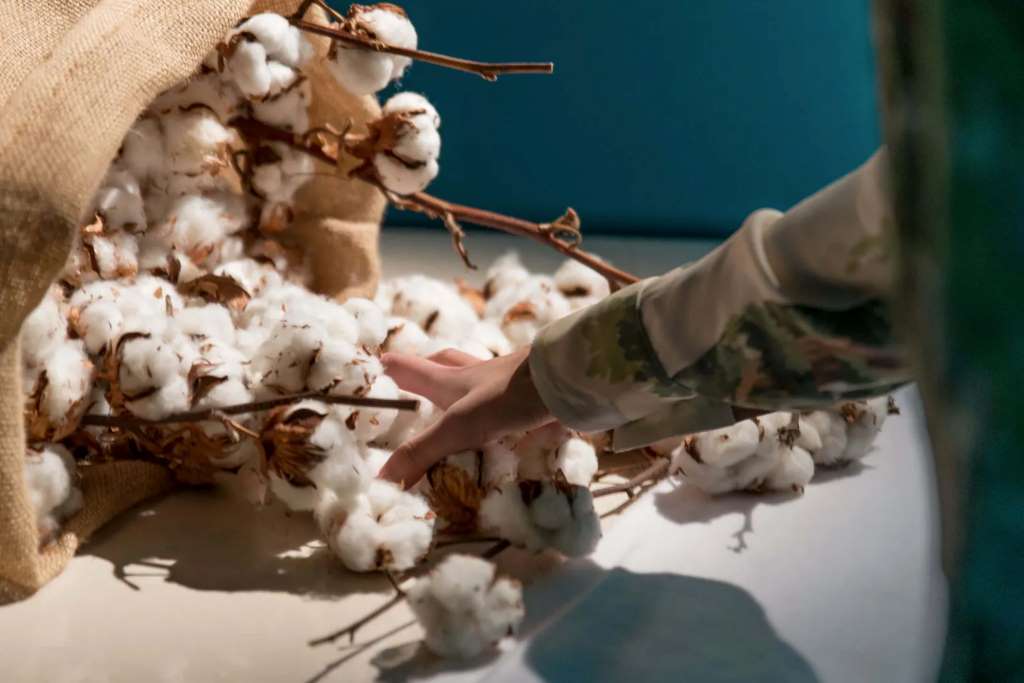
The Indian cotton spinning industry is entering a high-stakes transition in H2 FY26 as the ‘trickle-down’ effect of punitive US tariffs begins to bite. Effective August 27, 2025, a cumulative 50 per cent duty on Indian apparel - driven by reciprocal trade policies and geopolitical friction over Russian oil - has forced Indian exporters to offer aggressive discounts. This burden is now vibrating through the entire value chain, with ICRA projecting a 4 per cent–6 per cent revenue decline for spinners in FY26. While H1 FY26 remained flattish, the second half is bracing for a 50–100 basis point margin contraction as yarn realisations moderate under global pressure.
Market adaptation and MMF competition
Exporters are currently losing an estimated Rs 45 crore daily, leading to a strategic pivot toward the EU market ahead of a potential free trade agreement. Domestically, while the exemption of cotton import duties and relaxed Quality Control Orders (QCO) for Man-Made Fibers (MMF) offer some cost relief, they present a double-edged sword. Competitive pricing on imported VSF and polyester fibers is expected to squeeze domestic MMF yarn manufacturers, exposing them to intensified global competition. Trade finds its own course, noted government officials, yet for spinners, the course currently involves stabilizing contribution levels at Rs 98–100/kg to survive the H2 squeeze.
A Moody’s Ratings affiliate, ICRA is a premier Indian credit rating agency providing deep-dive analytics for over 60 sectors. Its textile sample set covers 30 per cent of industry revenue, monitoring 1,600+ benchmarks including cotton-to-yarn spreads. Faced with US-bound order cancellations of up to 70 per cent in some categories, ICRA forecasts stagnant capacity expansion for 2026.