Despite persistent shipping diversions in West Asia and a complex global trade landscape, the Spring Edition of Intertextile Shanghai Apparel Fabrics 2026 concluded with a decisive 96,000-strong turnout. The event acted as a critical stabilizer for the Asian textile value chain, particularly as exporters from the Ludhiana and Dhaka clusters navigate freight rate inflation.
This year, the focus shifted from sheer volume to high-margin technical textiles and digital integration. Industry analysts noted that while trade uncertainty remains a persistent pressure point, the demand for Spring/Summer 2027 collections is increasingly dominated by ‘innovation-driven’ models rather than low-cost commodities.
The rise of circularity and performance fibers
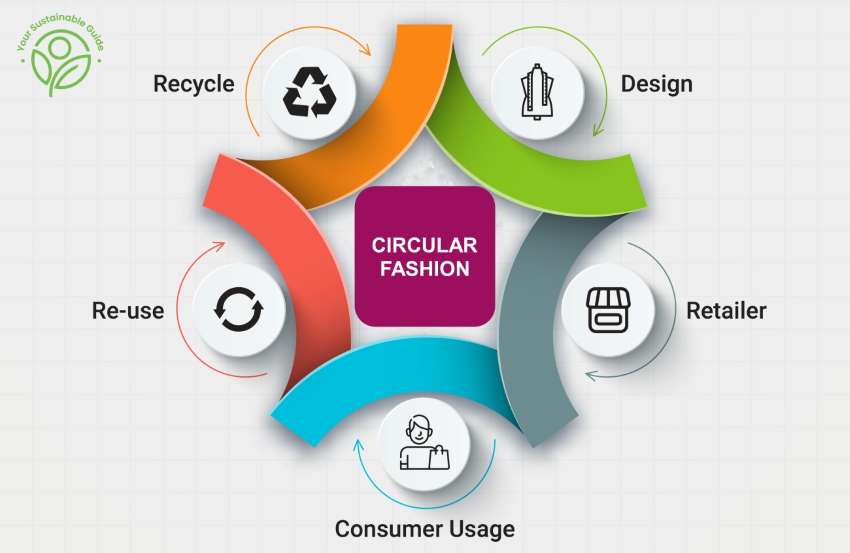
The exhibition floor became a proving ground for the California Responsible Textile Recovery Act (SB 707) compliance and the EU’s Digital Product Passport mandates. Exhibitors showcased a significant growth in bio-derived fibers and’peace silk’ alternatives, signaling a departure from traditional synthetic dominance. A notable case study during the fringe events highlighted how Bangladeshi manufacturers, through the BGMEA-Brand Forum partnership, are utilizing such global platforms to transition toward a 2030 roadmap focused on high-end, sustainable apparel. The shift toward circularity is no longer a peripheral goal but a commercial necessity for entering regulated western markets, notes Industry Leader, National Exhibition and Convention Center.
Digitalization and high-velocity retail models
The Spring 2026 edition also underscored a structural change in how major retailers, such as Marks and Spencer, are sourcing. The fair highlighted the move toward high-velocity inventory models that utilize monthly apparel capsules. By integrating real-time digital feedback from textile exhibitors, manufacturers are successfully compressing production cycles by nearly 30%.
This efficiency is helping global brands manage the cost pressures of rising raw material prices, such as the recent hike in cotton Minimum Support Prices in South Asia, by focusing on rapid turnover and reduced terminal markdowns