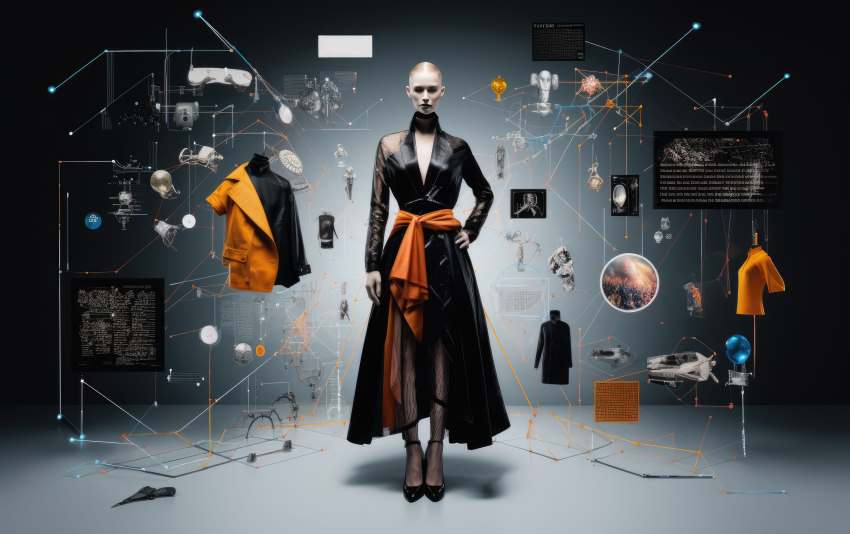
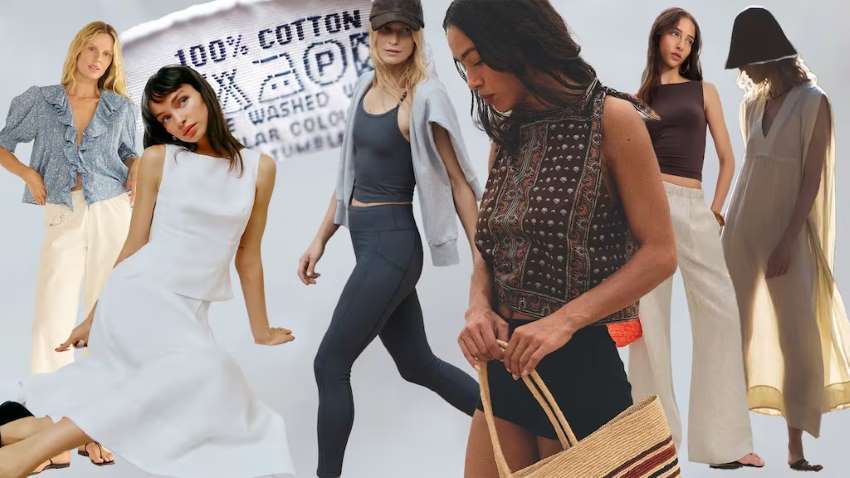
Hong Kong fashion week will be held from July 4 to 6. The trade event will house dedicated sections or zones to promote and differentiate fashion categories. The four main categories will be: apparel, upstream supplies, fashion accessories and technology and business matching.
The different zones under the four broad categories will cover footwear, leggings and socks, hair accessories and headwear, belts and ties and embroidery and sewing supplies. Other zones include: active wear, sportswear, intimate and swimwear, children’s wear, men in style, denim arcade and fabrics and yarn.
This is the world's second largest and Asia's largest fashion event. The fashion week will offer business matching services, networking receptions, seminars and buyer forums. A small order zone will be available for buyers who want to source from 5,000 to 1,000 pieces. A series of fashion shows and runway parades will be held.
Around 1,200 worldwide exhibitors are expected at the fair. The previous edition attracted 16,000 buyers from 65 countries and regions. This edition is for Spring/Summer. It will debut women’s wear and knitwear zones to optimise buyers' sourcing selection. There will be a unique premium section dedicated to promoting brand name garments in an elegant setting. International Fashion Designers’ Showcase will feature designer collections and fashion design talents.
- 1
- 2
- 3
- 4
- 5
- 6
- 7
- 8
- 9
- 10
The New Rules of Resale: EPR turning secondhand into fashion’s strategic growth …
The global fashion industry is facing a decisive regulatory and commercial reset. What began as a sustainability narrative around reuse... Read more
The 2027 Mandate: Why denim’s future hinges on verifiable data
For decades, the global denim industry has relied on a narrative of durability, heritage, and authenticity. That narrative is now... Read more
Europe’s textile core unravels as costs, imports and policy pressure bite
Europe’s textile and apparel sector, long seen as a benchmark for craftsmanship and industrial depth, is slipping into a prolonged... Read more
Automation, innovation, regulation are the forces shaping textiles in 2026
The global textile sector has entered a new era. Early 2026 saw the industry breach a $1.06 trillion valuation, reflecting... Read more
The new Brussels rulebook, every EU apparel order is now a balance-sheet risk
The humble export order sheet is undergoing a transformation. What was once a straightforward commercial instrument: SKU, volume, FOB price,... Read more
Why 2026-27 could be a defining cotton year for India’s farm-to-fashion economy
The global cotton economy is entering a more constrained phase, and for India, the implications run far beyond the farm... Read more
Luxury resale’s next big battle is no longer digital, it is about who controls s…
For nearly a decade, the luxury resale story was written in the language of platforms. Market leadership was measured by... Read more
Digital Arms Race: Indian apparel giants deploy AI to neutralize tariff crisis
The Indian textile and apparel sector is in a digital survival phase in 2026, shifting from traditional labor-intensive models to... Read more
Europe’s Textile Endgame: Why Project FAE is becoming fashion’s most critical in…
Europe’s apparel majors are no longer treating circularity as a branding layer. With Project FAE or Feedstock Activation Europe, the... Read more
Engineering color at source, dye-free production is cutting cost, water, and tim…
For over a century, coloring has been anchored in wet processing, an energy-intensive, chemically saturated stage that happen post spinning.... Read more