The Levi Strauss Foundation has committed $1 million to a Rapid Response Fund for the third year in a row. The fund supports organisations and initiatives that protect highly vulnerable communities across the United States and the world. This includes projects helping immigrants, refugees, the transgender community and religious minorities. The project supports organizations that challenge the Muslim ban, protect asylum seekers and refugees, and restore voting rights to individuals in marginalised communities.
In the United States, organisations receiving help include: Al Otro Lado, American Immigration Council, Define American, Live Free, National Immigration Law Center, Transgender Law Center, Undocublack, and United We Dream. In addition, the Levi Strauss Foundation will ensure support goes to Ascend Collaborative and International Refugee Assistance Project, both of which are based outside the US.
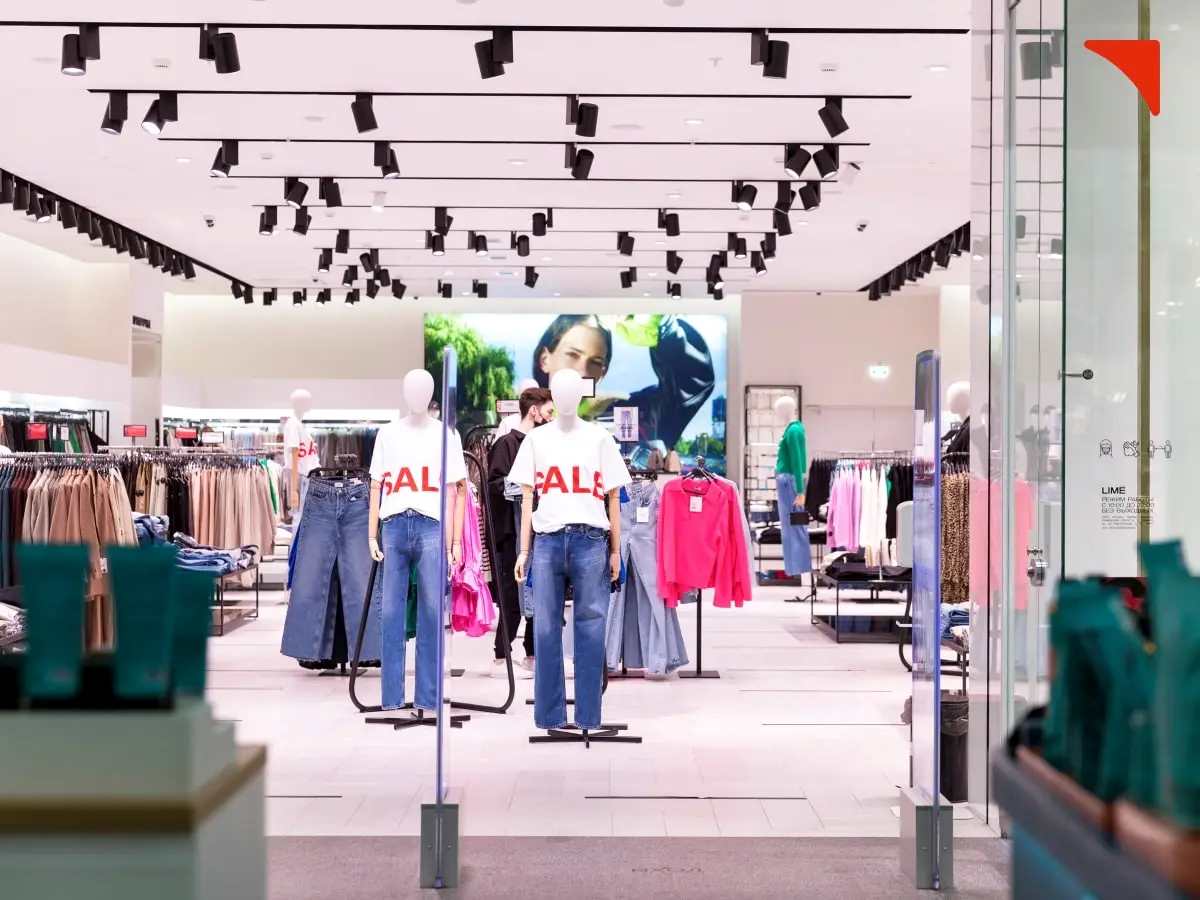
Levi Strauss is taking the opportunity as a newly publicly traded company to breathe fresh life into its brands and approach to business. The new chapter the company is writing is being driven by changes in retail-consumer relationship and the push to expand its reach to new customers in new ways. A key strategy is to become a leading world-class omnichannel retailer. Another vital strategy is to diversify the business by expanding more into tops and women’s under-penetrated markets.
- 1
- 2
- 3
- 4
- 5
- 6
- 7
- 8
- 9
- 10
Global cotton enters a deficit year in 2026 as supply drop meets logistics risk
The global cotton economy has entered a fragile and sensitive phase. Early projections for the 2026-27 season suggest that world... Read more
India’s textile trade gets a Pacific push as New Zealand FTA removes tariff barr…
India and New Zealand have inked a ‘once-in-a-generation’ Free Trade Agreement (FTA), one that will have a profound impact on... Read more
Lululemon’s world-first nylon circularity push signals a new apparel arms race
The global apparel industry’s circularity narrative is entering a more technically demanding phase. Polyester recycling once the flagship of sustainable... Read more
Beyond the DTC Rush: Levi’s hybrid channel strategy sets a new retail benchmark
The global apparel sector is entering a phase where channel strategy is no longer a tactical lever but a core... Read more
The New Rules of Resale: EPR turning secondhand into fashion’s strategic growth …
The global fashion industry is facing a decisive regulatory and commercial reset. What began as a sustainability narrative around reuse... Read more
The 2027 Mandate: Why denim’s future hinges on verifiable data
For decades, the global denim industry has relied on a narrative of durability, heritage, and authenticity. That narrative is now... Read more
Europe’s textile core unravels as costs, imports and policy pressure bite
Europe’s textile and apparel sector, long seen as a benchmark for craftsmanship and industrial depth, is slipping into a prolonged... Read more
Automation, innovation, regulation are the forces shaping textiles in 2026
The global textile sector has entered a new era. Early 2026 saw the industry breach a $1.06 trillion valuation, reflecting... Read more
The new Brussels rulebook, every EU apparel order is now a balance-sheet risk
The humble export order sheet is undergoing a transformation. What was once a straightforward commercial instrument: SKU, volume, FOB price,... Read more
Why 2026-27 could be a defining cotton year for India’s farm-to-fashion economy
The global cotton economy is entering a more constrained phase, and for India, the implications run far beyond the farm... Read more