Robert Fraley, Chief Technology Officer at biotechnology giant Monsanto, believes communicating science and training next-generation STEM graduates are just as important as doing science. Texas Tech University, hosted a team of six Monsanto executives lead by Robert Fraley recently. Fraley, a much accomplished scientist with World Food Prize and US National Medal of Technology engaged the whole afternoon with researchers and students to talk about the importance of science, communicating science and training next generation workforce with science and technology education.
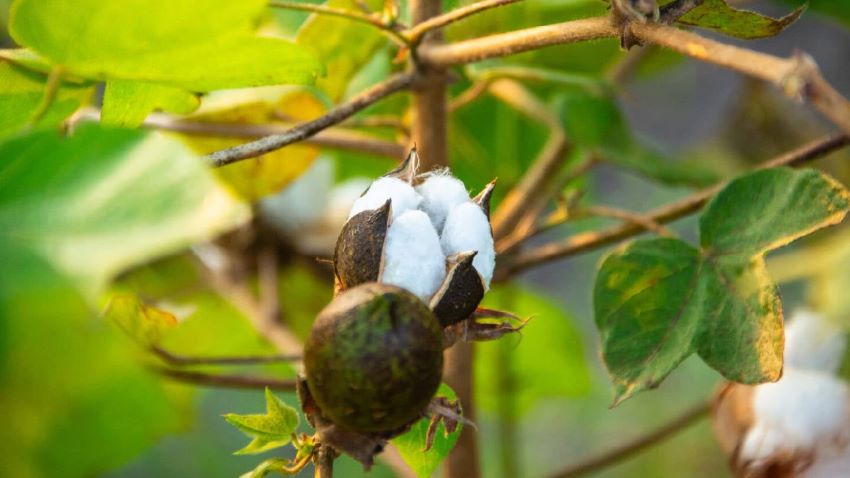
He emphasized the need for not only geneticists but also people who are trained in social sciences, statistics and data analytics, emphasizing the need for multidisciplinary knowledge in the future R & D industry. Fraley’s group was the first team in the world to put a gene into a plant that resulted in technologies such as Bollgard and Roundup Ready, which basically enhanced the yield of cotton in countries like India, which became the world number in cotton production last year. Nearly 25 per cent of Monsanto’s R&D budget is set aside for collaborations involving start-ups, academia and small businesses.
This March, Monsanto broke ground for a $140 million cottonseed production facility in Lubbock to be operational in summer 2017, will cater to the cotton seed requirement of the whole United States.
- 1
- 2
- 3
- 4
- 5
- 6
- 7
- 8
- 9
- 10
Zero-tariff paradigm drives strategic re-sourcing at Global Sourcing Expo 2026
Projected to reach a valuation of $30.3 billion this year, the Australian textile and apparel market is entering a period... Read more
Strategic manufacturing takes center stage at Gartex Texprocess Mumbai 2026
A $179 billion industrial cornerstone contributing 2 per cent to the national GDP, the Indian textile and apparel sector is... Read more
The Hidden Tax on Fashion: 2026’s EPR rules squeeze margins and shake supply cha…
As the 2026 enforcement deadlines for California’s SB 707 and the European Union’s harmonized Waste Framework Directive loom, the global... Read more
Guess? Inc. retreats from China as American cool hits a cultural wall
For more than two decades, Guess? Inc., the emblem of ‘accessible American cool’, maintained an ambitious footprint in China. At... Read more
The Hormuz Effect: Why a distant war is shaking Bangladesh’s garment exports
The immediate impact of the Iran- Isarel-US conflict is being felt in the logistics arteries that connect Bangladesh’s factories with... Read more
The rise of localized luxury, MEA, North America, and India lead growth
The global luxury industry is no longer defined by relentless expansion. The ‘2025 Global Luxury Brandwatch Report’ highlights a sector... Read more
Hormuz blockade sends shockwaves through India’s textile chain as polyester cost…
What began as a geopolitical escalation in the Gulf has rapidly metastasized into a full-scale industrial disruption for India’s textile... Read more
India’s National Fibre Scheme decouples textiles from global supply risks
For decades the Indian dominated spinning, weaving, and garment exports while remaining paradoxically dependent on imported man-made fibres and specialty... Read more
From London to Tokyo, premiumization redefines retail and office markets
Global real estate landscape has changed. Gone are the cautious narratives of recovery that defined the post-pandemic years. Today, flight... Read more
Compliance drives India’s $176 bn textile shift
India’s textile economy is no longer selling fabric alone; it is selling proof. As compliance rules harden across export markets,... Read more