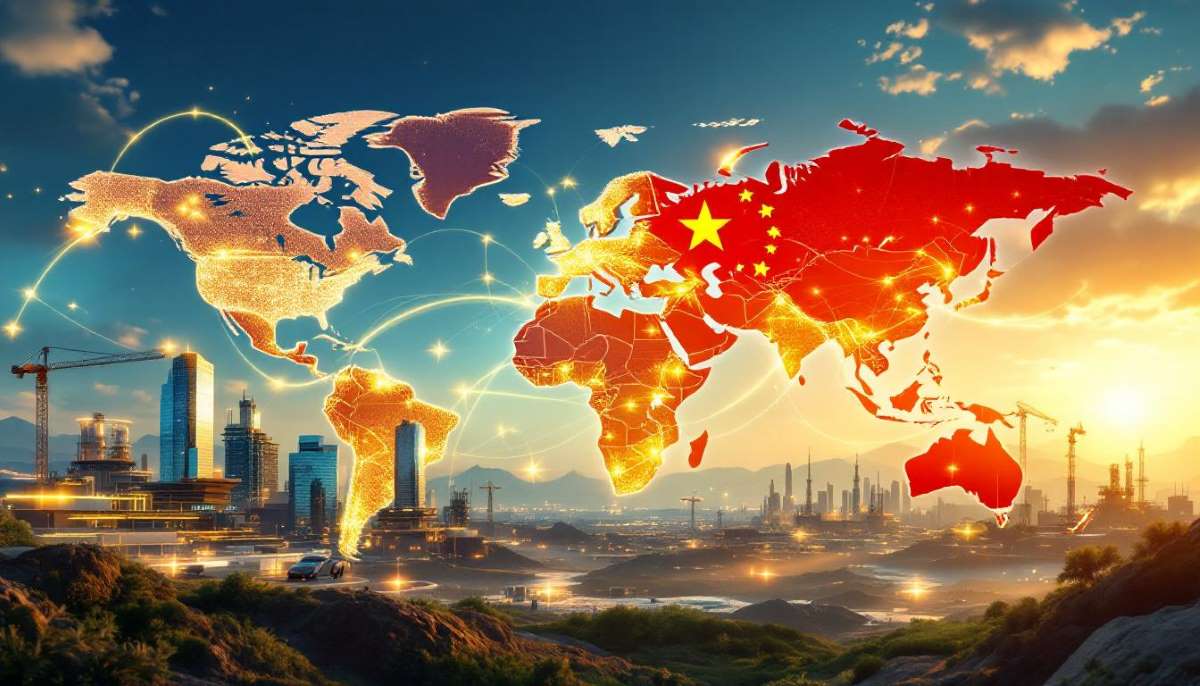
Philippine Exporters are looking to penetrate new overseas markets in a bid to achieve export revenue target of $102 billion in 2016 amid lingering weakness in the global economy. According to Philippine Exporters Confederation, Inc. (PHILEXPORT) President Sergio Ortiz-Luis Jr exporters are looking at markets to replace the problematic, traditional markets like Europe and China which are not doing very well. We are looking at some countries in Asia and BRICS (Brazil, Russia, India, China, South Africa) countries. They are all deemed to be at a similar stage of newly advanced economic development.
The government data indicated that about 54 per cent of the country’s merchandise exports in November, 2015 went to East Asian countries, while commodities exported to ASEAN member countries comprised 14 per cent. Shrinking global demand and the ASEAN 2015 are identified in the Philippine Export Development Plan (PEDP) as among the opportunities and challenges facing the export sector, noted Ortiz-Luis.
Under the PEDP, the country’s export of goods and services can hit $102 billion this year from last year’s estimated $91 billion, said the PHILEXPORT chief. The sector makes up about 60 percent of the country’s total export trade.
- 1
- 2
- 3
- 4
- 5
- 6
- 7
- 8
- 9
- 10
Zombie inventory and shrinking margins inside China’s fashion returns meltdown
China’s digital fashion market, long celebrated as the world’s most sophisticated test bed for e-commerce innovation, is facing a destabilising... Read more
Circularity by Design: How EU rules are turning data into fashion’s new currency
The European fashion sector has entered a compressed transition window. Two regulatory confirmations: the revised EU Textile Labelling Regulation (effective... Read more
The Lyst Reset: Chanel and Dior rewrite luxury’s power index
The global luxury hierarchy has been quietly rewritten, and not by sales alone. In Q1 2026, Chanel rose to the... Read more
Inventory, not expansion, defines winners in global apparel
The 2025 fiscal year has crystallised that revenue growth and operational health are no longer moving in tandem. In an... Read more
From growth-at-all-costs to cash discipline, the new economics of DTC fashion
The global direct-to-consumer apparel market is entering a correction phase, as fashion brands across the US, Europe and the UK... Read more
Britain’s Forgotten Growth Engine: Why policy gaps are undermining fashion and t…
Britain’s fashion and textile industry, often framed through the lens of creativity and design, is emerging as a case study... Read more
Beyond price rallies structural reform can strengthen India’s cotton economy
India’s cotton economy is entering a decisive phase, where firmer prices and tighter arrivals in the 2026-27 season have given... Read more
Polyester volatility redraws India’s textile industry competitive map across Asi…
India’s synthetic textile industry has entered a phase of cost instability as polyester staple fibre (PSF) prices rise across domestic... Read more
The £7 Billion Question: Who pays for fashion’s ‘free rental’ habit?
The global fashion industry is facing an uncomfortable paradox: its most valuable customers may also be its most destructive. A... Read more
India, China Bangladesh face fresh headwinds as global apparel markets rebalance
Global apparel trade is entering a more uneven recovery phase, with demand growth persisting but losing uniform momentum across major... Read more