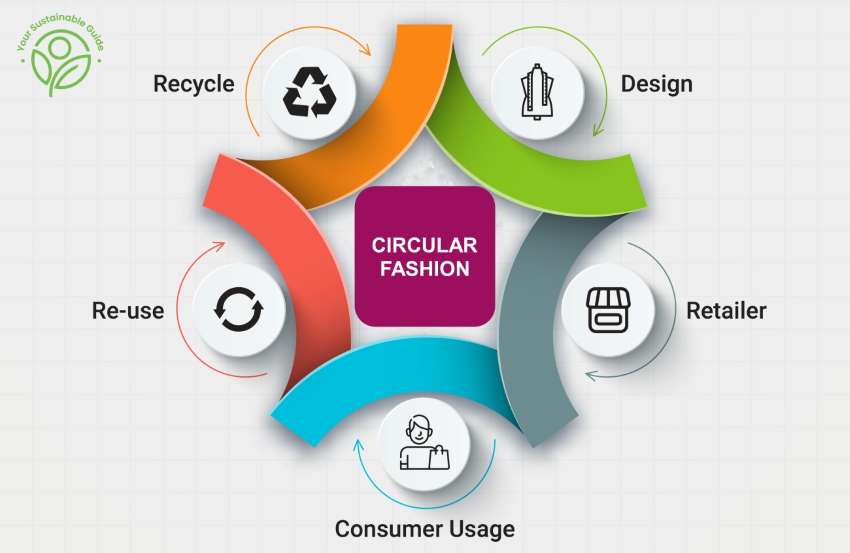
As the global textile recycling market eyes a projected valuation of over US$7 billion by 2026, the industry is transitioning from conceptual ambition to industrial-scale implementation.
Scheduled for April 29–30, 2026, in Charlotte, the upcoming Textiles Recycling Expo USA, serves as a critical nexus for this shift, aiming to bridge the infrastructure gaps currently hindering domestic circularity.
From ambition to industrial infrastructure
While sustainability commitments from major fashion brands have accelerated demand for recycled fibers, the supply chain remains plagued by fragmented collection systems and the difficulty of processing complex fiber blends. Industry stakeholders emphasize, achieving a truly circular economy requires more than just goodwill; it necessitates robust investment in automated sorting technology. Recent benchmarks indicate, the integration of artificial intelligence and robotics into sorting facilities can boost capacity by as much as 90 per cent, transforming previously unmanageable waste streams into high-quality feedstock for both mechanical and chemical recycling processes.
Navigating regulatory and operational landscapes
The sector is also bracing for the impact of emerging state-level Extended Producer Responsibility (EPR) mandates. While these policies aim to standardize end-of-life responsibility, companies face significant challenges regarding compliance in a fragmented legal environment. Experts warn that unless states align their definitions and requirements, the operational burden on producers will mount, potentially slowing the transition to scalable, circular outcomes.
Accelerating Circularity is a non-profit organization dedicated to building systems for textile-to-textile recycling. It operates by connecting stakeholders across the apparel value chain to bridge gaps in collection, sorting, and processing. Through research and pilot projects, the group focuses on increasing the supply of recycled fibers for the US market. With growing regulatory pressure, its efforts are central to shaping a more transparent and scalable infrastructure for the domestic apparel industry.