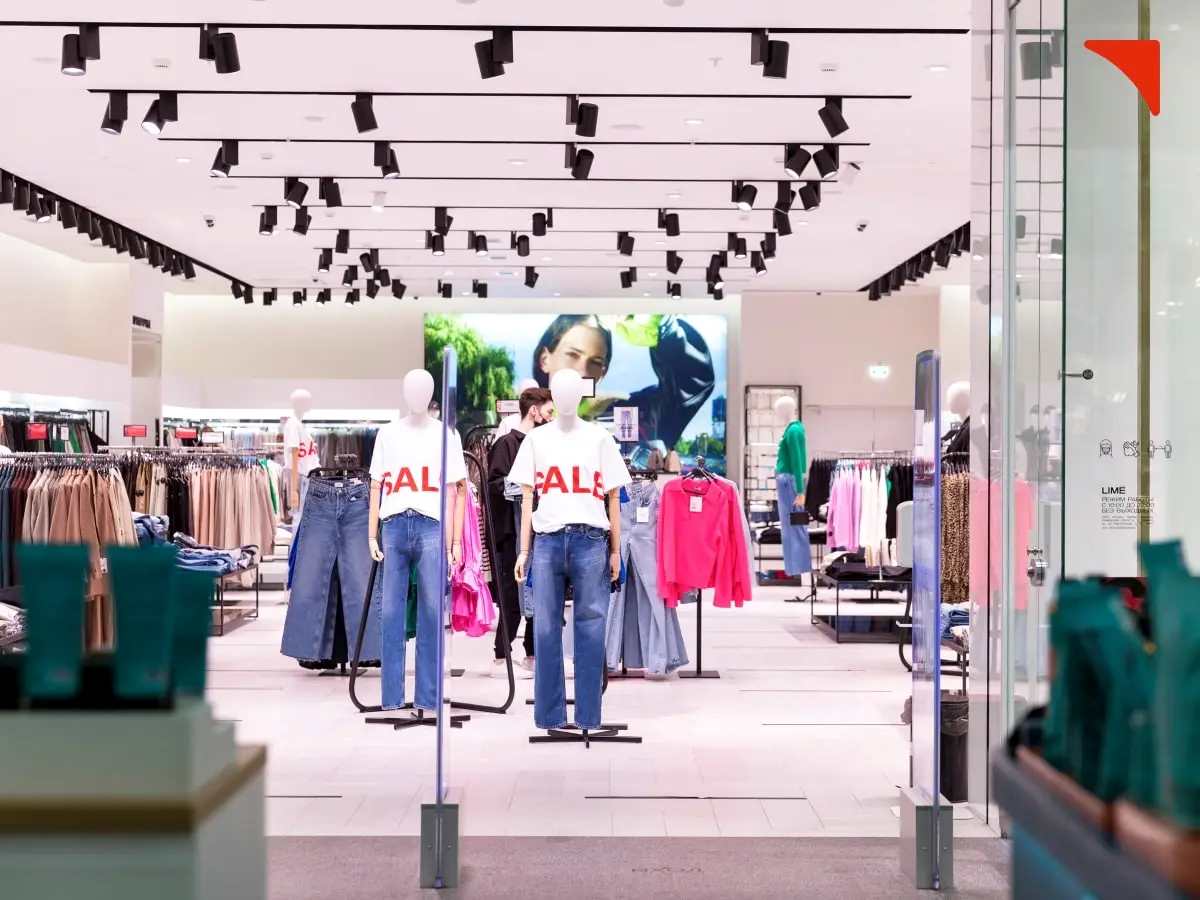
Rachel Lund, Head of Insights and Analytics at the British Retail Consortium analysing latest UK labour market statistics says labour market figures confirm the retail industry is undergoing significant structural change. Despite the fact that the number of jobs in retail during the festive period was higher in 2017 compared to previous year, employment was down by 73,000 compared to Christmas two years ago and by more than 1,00,000 compared to ten years ago, in the midst of the financial crisis.
The reality is the economics of retailing are changing. Over the last two years, taxes on physical stores have grown by an estimated 8 per cent and employee wages by 10 per cent at the same time as overall sales have grown by less than 3 per cent and pounds spent on non-food products in physical stores have fallen by 5 per cent.
As a result, retailers are having to radically rethink how they operate in order to survive, investing more in technology and restructuring their store portfolios and workforce. While the result will raise productivity in the industry, the transition will not be painless and will affect some communities more than others.

- 1
- 2
- 3
- 4
- 5
- 6
- 7
- 8
- 9
- 10
Status, Rewired: Health, AI and experience are displacing heritage luxury
The global luxury industry is not facing a demand fall it is confronting a redefinition of value. As bellwethers like... Read more
No More Easy Wins: Why global retailers are losing ground in China
China’s retail sector has entered a new phase, one defined not by aspiration, but by scrutiny. The long-standing advantage enjoyed... Read more
India’s 45°C economy is reshaping apparel retail and consumer spending
The intensifying heatwaves sweeping across the Indian subcontinent are no longer mere meteorological anomalies; they have become the primary engineers... Read more
FY26 Textile Scorecard: Integration, specialization are winning the margin battl…
As the curtains close on FY2025-26, India’s textile industry is revealing a sharp divide. On one side stand integrated and... Read more
Intertextile Shenzhen 2026: Pioneering the Future of Textile Innovation
As Shenzhen cements its status as China’s premier hub for manufacturing, artificial intelligence, and startup cultivation, Intertextile Shenzhen Apparel Fabrics... Read more
The Devil Wears Prada 2 reflects fashion’s power shift, where consumers replace …
" " The release of The Devil Wears Prada 2 has sparked a debate far bigger than a Hollywood sequel. What... Read more
The 30-minute problem reshaping the $63 bn leggings market
The global leggings makers are racing to solve one of the apparel industry’s most expensive hidden problems: discomfort that appears... Read more
Why the resale explosion is failing to slow apparel production
The global apparel industry is confronting an uncomfortable paradox. The explosive rise of the resale economy, once viewed as a... Read more
Can India’s textile sector convert FTAs into global dominance?
What began as a cautious China Plus One sourcing strategy for global apparel trade, has now evolved into a full-scale... Read more
No More Easy Wins: Why global retailers are losing ground in China
China’s retail sector has entered a new phase, one defined not by aspiration, but by scrutiny. The long-standing advantage enjoyed... Read more