FW
Fashion in Flux: Shifting tides in US apparel imports
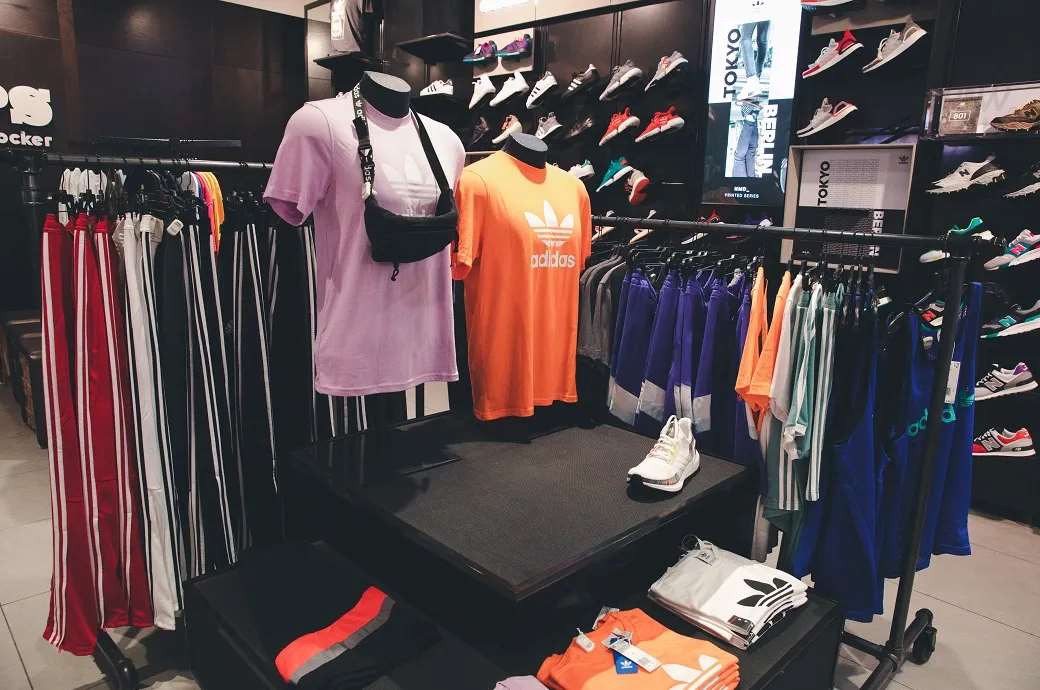
The US apparel industry is undergoing a significant paradigm shift, driven by evolving consumer preferences, changing global dynamics, and technological advancements. Gone are the days of solely relying on low-cost, mass-produced garments from traditional suppliers like China. Consumers are demanding more, pushing the industry towards sustainability, ethical sourcing, and diversification.
There are various reasons for this transformation. These include shifting consumption patterns, evolving buying behaviour, choosing experiences over ownership among others.
A changing consumer
Today's consumers are increasingly concerned about sustainability, ethics, and transparency in their purchases. This is driving demand for eco-friendly materials, ethical production practices, and brand’s promoting social responsibility states McKinsey & Company ‘State of Fashion 2022’ report. Millennials and Gen Z prioritize ethical and sustainable practices. Studies by McKinsey & Company show 60 per cent of global consumers are willing to pay a premium for sustainable products.
Meanwhile fast fashion is facing backlash due to its environmental impact and fleeting trends. Consumers are seeking clothing that reflects their individual style and values, leading to a rise in personalized shopping experiences and on-demand production states Deloitte’s ‘Fashion & Apparel - Industry Outlook 2023’. Demand for ethical and sustainable production practices is prompting brands to diversify sourcing and prioritize eco-friendly materials. As per Euromonitor International ‘Apparel: United States, 2023’ millennials and Gen Z prioritize experiences over material possessions. This translates to a rise in clothing rental services, subscription boxes, and resale platforms, impacting traditional ownership models.
Table: Shifting consumption landscape
| Year | Total US Apparel Imports (in billion US$) | Import Source Shift |
| 2021 | $ 128 | China dominant |
| 2022 (estimated) | $ 132 | Vietnam, Bangladesh gaining share, China decreasing |
| 2023 (projected) | $ 137 | Vietnam, Bangladesh gaining more share, China further decreasing |
• Source: Total US apparel imports data: OTEXA
• Import source shift data: World Trade Organization
Online shopping has revolutionized the buying experience, fostering personalized recommendations and faster delivery, impacting import patterns. Trade tensions and supply chain disruptions are driving some manufacturers to shift production closer to the US market.
Evolving buying behavior
As per Statista’s ‘Digital Commerce Share of Total Retail Sales in the United States 2023’ e-commerce is the primary channel for clothing purchases, growing at a faster rate than physical stores. Mobile shopping and social media platforms are increasingly influencing buying decisions. Brands are bypassing traditional retail channels and selling directly to consumers, offering greater control over brand image and profit margins. This trend is prevalent in athleisure, streetwear, and sustainable fashion brands. Also, as per McKinsey & Company ‘The Age of Personalization’ retailers are leveraging customer data to tailor marketing campaigns, product recommendations, and shopping experiences, leading to more personalized interactions.
Category-specific trends
A look at categories reflects the pattern is similar to many other markets including Europe. In menswear for example, athleisure and casualwear segments is growing, increasing focus on comfort and performance. In women’s wear the demand is for versatile pieces, athleisure, and sustainable materials. Rise of activewear and modest fashion. As for kid’s wear the focus is on comfort, functionality, and sustainability. Also, there is growing demand for gender-neutral clothing and ethical production.
Knitwear continues in popularity especially with demand for athleisure and loungewear with increased focus on natural and recycled fibers. In denimwear the shift is towards sustainable production and demand for comfortable and versatile styles. There is growing demand for performance outerwear and sustainable materials like recycled down.
A look at various segments shows, premium segment continues as consumers are willing to pay more for quality, ethical production, and unique designs. Sustainability credentials are increasingly important in this segment. In value segment, price sensitivity remains high, but demand for quality basics persists. This segment is still sizable, but competition is fierce due to rising raw material costs and labor wages. Value retailers are focusing on innovation and private label offerings to differentiate themselves. Meanwhile, resale platforms, rental services, and subscription boxes are gaining traction, representing new segments within the market.
Table: US apparel imports in volume
| Year | Apparel Import Volume (million metric tons) | Apparel Import Value (US$ billion) |
| 2021 | 3.2 | 107.6 |
| 2022 | 3.1 | 112.4 |
| 2023 (Est.) | 3.0 | 115.0 |
Source: U.S. Census Bureau, OTEXA
The bottomline is paradigm shift in apparel imports reflects a changing consumer landscape. As sustainability, ethics, and personalization become priorities, the US is reshaping its wardrobe. The future holds exciting possibilities for brands and consumers alike, with a focus on innovation, responsibility, and a more conscious approach to fashion.
Bharat Tex highlights regional varieties at ‘Vastra Katha’ show
The ongoing ‘Bharat Tex’ exhibition highlights regional varieties in the textile industry at the ‘Vastra Katha’ show at the Bharat Mandapam in Delhi.
The ‘Vastra Katha’show unfolds narratives from textile hubs like Panipat, highlighting regional varieties from Uttar Pradesh to Tamil Nadu. It highlights the Tangaliya creations of Rathod Baldevbhai.
Amongst displays of renowned designers, stories emerge of tribal women from Madhya Pradesh, seamlessly blending organic farming with textile production, bridging tradition with contemporary demands.
More than just an exhibition, Bharat Tex 2024 is a celebration of India's textile heritage, where threads of the past weave into the fabric of the future, showcasing the nation's enduring creativity and resilience. Culminating in a fusion of traditional heritage and modern fashion, the exhibition echoes the ethos of 'local going global'.
Bharat Tex 24: India's textile industry shines bright
Grand textile event receives praise from industry leaders
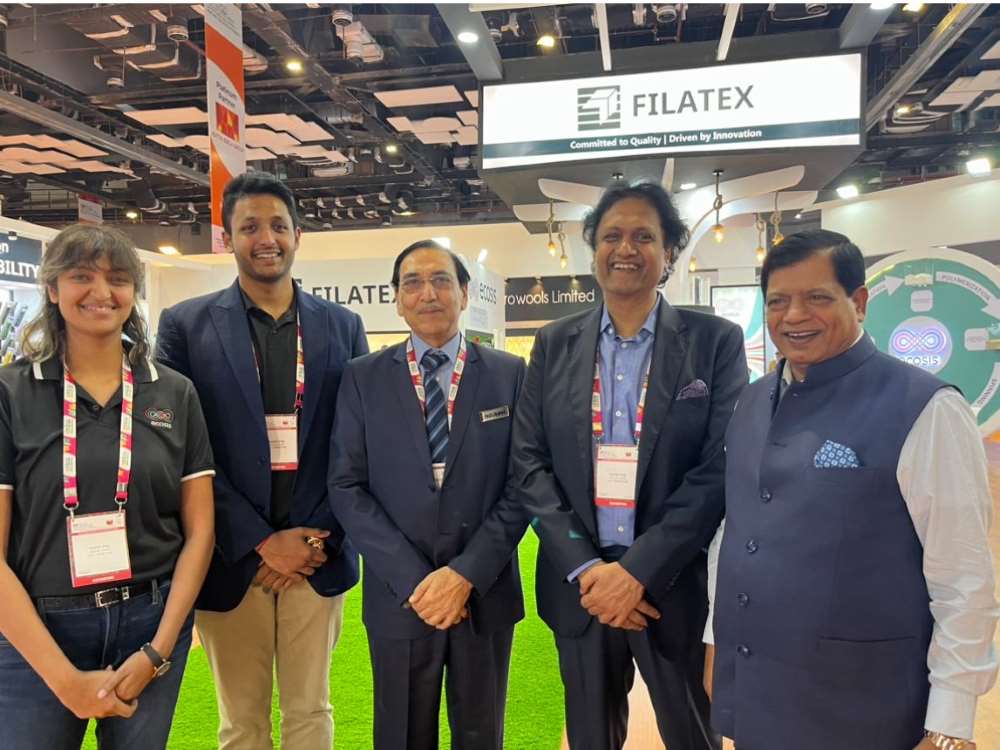
The Polyester Textile Apparel Industry Association (PTAIA) expresses sincere appreciation to Prime Minister Narendra Modi, Union Textile Minister Piyush Goyal, Minister of State for Textile Darshana Jardosh, Textile Secretary Rachna Shah, Textile Advisor Shubhra, and the entire Textile Ministry, including Chairman SRTEPC, for their instrumental role in organizing Bharat Tex 24. This significant event, hosted in Delhi from February 26-29, 2024, marks a pivotal milestone for India's textile sector.
Positive reception from exhibitors and global brands
During the past three days, RK Vij, Secretary-General of PTAIA, toured the stalls of Bharat Tex 24, where he was met with overwhelmingly positive responses from attendees. Supported by the Ministry of Textiles, the event received commendation from international brands and buyers in attendance, serving as a platform to showcase India's textile excellence. The array of capabilities and innovations on display left a lasting impression on visitors, reaffirming India's prominence in the global textile arena.
India: A rising sourcing destination
Global buyers left impressed by the comprehensive display of yarns, fibers, fabrics, and accessories, affirming India's potential as a sourcing destination. Many expressed keen interest in procuring from India, recognizing the country's ability to deliver high-quality products. Bharat Tex 24 served as a catalyst in altering perceptions, positioning India as a premier hub for textile sourcing.
Vij's interactions with global buyers reinforced India's strengths and ongoing progress in meeting global demands. He assured stakeholders of India's capability to fulfill the requirements of global brands, reflecting confidence in the industry's trajectory.
Optimism for future editions
Exhibitors view Bharat Tex 24 as an instrumental platform for showcasing India's prowess on the global stage. Their confidence in the event's future editions reflects the industry's optimism and anticipation for further growth and recognition.
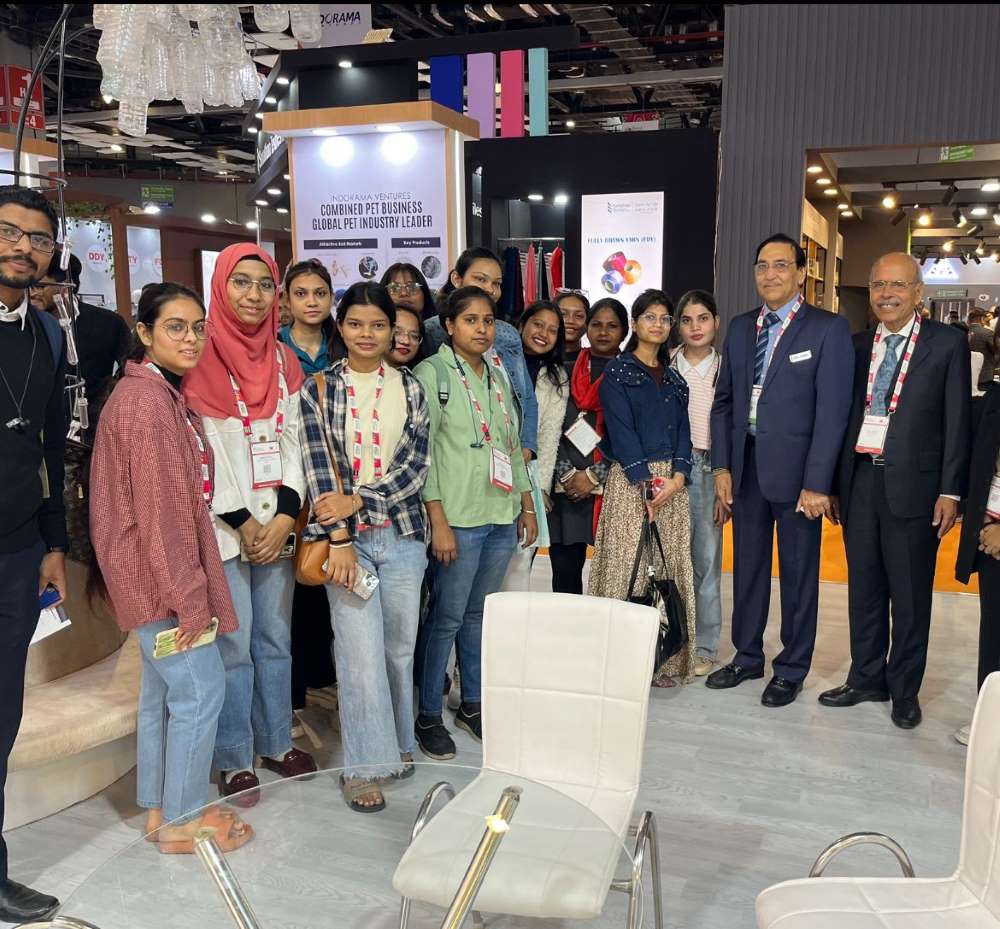
Textile exhibitions like Bharat Tex 24 provide invaluable opportunities for aspiring textile students. The exposure to diverse products and developments in yarns and fabrics enriches their understanding, transcending the confines of classroom learning.
A testament to Make-in-India initiative
The success of Bharat Tex 24 stands as a testament to India's Make-in-India initiative, resonating with the collective efforts of the textile fraternity. Their dedication and commitment have transformed the exhibition into a resounding success, showcasing India's potential on the global textile landscape.
In conclusion, Bharat Tex 24 emerges as a beacon of India's textile prowess, uniting industry leaders, global brands, and aspiring talent in a celebration of innovation and excellence. As the curtains draw on this edition, anticipation mounts for the next installment, promising even grander achievements for India's textile industry.
Global cotton market expected to remain volatile in future
Influenced by factors including US stock levels, export demand, and global economic conditions, the global cotton market is expected to remain volatile in future
The market experienced notable fluctuations recently as it initially surged to reach the 5 cent limit before retreating slightly by midday. Despite this pullback, futures managed to trade 200 points higher for the day, with May contracts surpassing the $1 benchmark. However, new crop prices witnessed a decline, dropping by up to a penny. This market activity stems from the tightening of US stocks combined with sustained export demand, prompting a price increase to balance out demand dynamics.
A critical indicator of global cotton prices, the Cotlook A Index decreased by 80 points, settling at 100.70 cents. Meanwhile, the Adjusted World Price (AWP) of cotton increased, jumping 168 points to reach 75.12 cents. ICE certified stocks were reported at 997 bales. These figures underline the volatility within the cotton market, driven by various economic factors such as supply constraints and export demand.
Fluctuations in cotton prices have significant implications for both traders and consumers. Traders face both risks and opportunities in the current market conditions, depending on their position and strategy. Consumers, especially in the textile industry, may encounter increased costs as raw material prices like cotton escalate. These cost pressures could potentially be passed on to final consumers, impacting the overall pricing of cotton-based products.
BAI awarded for best HR practices at CITI Textile Sustainability Awards 2024
Brandix Apparel India (BAI) has bagged the prestigious ‘Best HR Practices’ award at the CITI Textile Sustainability Awards 2024, organised by the Confederation of Indian Textile Industry (CITI). This esteemed accolade underscores BAI's unwavering dedication to cultivating a sustainable and inclusive workplace ethos.
During the ceremony held at the Bharat Tex Expo 2024, Suchira Surendranath, Director – Strategy & Investments, Brandix India, accepted the award from Piyush Goyal, Minister of Commerce and Industry, Consumer Affairs, Food and Public Distribution, Textiles, Government of India, alongside Darshana Jardosh, Minister of State for Railways & Textiles, Government of India.
Surendranath says, Brandix considers its associates as its most valuable assets. The company cultivates an environment where they can flourish both professionally and personally. This award resonates with the company’s enduring dedication to sustainability and employee well-being.
Brandix Apparel India has consistently championed initiatives aimed at augmenting employee satisfaction, championing diversity and inclusion, and safeguarding the welfare of its workforce. Notably, the company boasts an exemplary talent acquisition and induction program, actively engaging with academic institutions to recruit individuals from the local communities surrounding the Andhra Pradesh region.
Furthermore, Brandix has curated comprehensive training programs designed to perpetually enhance the skills and knowledge of its employees, thereby equipping them with the requisite tools to excel in their respective roles.
The recognition bestowed upon Brandix underscores the company's holistic approach to human resource management, which transcends conventional paradigms by prioritising sustainability, inclusivity, and continuous employee development.
Moving forward, Brandix remains steadfast in its commitment to pioneer initiatives that not only elevate organisational performance but also empower its employees to realise their full potential
Revolutionizing Sri Lanka’s apparel industry: The QR code initiative
Sri Lanka's apparel manufacturers have initiated a pioneering collaboration with the Asian Development Bank (ADB), International Financial Reporting Standards (IFRS), and the Global Language of Business (GS1) to usher in a new era of transparency and traceability. This initiative introduces a singular QR code affixed to every clothing item, providing a comprehensive array of information including brand details, supply chain transparency, product specifications, material composition, care instructions, compliance data, and recycling guidelines.
The primary objective is to enhance supply chain traceability through standardized disclosure benchmarks, facilitating seamless data exchange among stakeholders. Recognized by the World Economic Forum at COP28 for its environmental stewardship, Sri Lanka's apparel industry is setting new standards for accessibility and transparency.
In response to tightening sustainability legislation in the Global North, Sri Lanka is committing to aligning with evolving legal frameworks, particularly from key export destinations like the US, EU, and UK. This initiative signifies a historic milestone as competing entities within Sri Lanka's apparel industry unite for the common goal of accountability and sustainability.
While the journey towards complete supply chain traceability continues, stakeholders are actively engaged in finalizing prototypes and strategizing commercialization. The focus remains on ensuring widespread adoption of the technology and adherence to International Sustainability Standards Board (ISSB) priorities.
Looking ahead, Sri Lanka aims to scale the initiative, offering digital access to reliable data sources and emphasizing the importance of tracking carbon footprints across supply chains. With each scan, the apparel industry is rewriting the narrative towards a more transparent, traceable, and accountable future.
Autumn Fair 2024 promises renewed focus on independent retailers
Autumn Fair, the renowned shopping destination for Home, Gift, and Fashion in the UK, has unveiled its latest campaign theme, heralding a celebration of innovation and originality in retail. Set to take place from September 1-4 at the NEC Birmingham, the event aims to revitalize the retail landscape with a spotlight on the allure of the 'shop window' and a showcase of premier British suppliers.
Acknowledging the vital input from key partners, buyers, and loyal brands, Autumn Fair is refocusing its efforts on independent retailers. With a revamped format aimed at enhancing the buying experience, the fair aims to serve as an essential platform for buyers seeking novel and captivating products. Central to this initiative is the curation of over 500 suppliers tailored to cater to smaller minimum orders, facilitating seamless sourcing for independents.
Positioned as a cornerstone of the retail calendar, Autumn Fair 2024 will feature leading brands across Home, Gift, and Fashion, with more than 30 per cent of brands exclusive to the event. Notably, the fair will pay homage to British suppliers capable of agile responses to market demands, offering quick turnarounds and small order quantities to meet the evolving needs of independent retailers.
Drawing a diverse array of independent retailers keen to refresh their product offerings for the year-end rush, Autumn Fair introduces entry-level exhibitor packages and pavilions, facilitating access for new businesses with innovative concepts to connect with their initial customer base.
Jackson Szabo, Portfolio Director of Autumn Fair, emphasized the event's commitment to prioritizing the buying experience. He outlined plans to overhaul the onsite experience, website, and registration process to empower buyers to maximize their engagement with the fair. Szabo also highlighted efforts to streamline product discovery through enhanced trails and buyer experiences, enabling independents to efficiently source brands that resonate with their customer base.
Samantha Gibbs, owner of Nest, a trio of gift shops in Leicestershire, lauded Autumn Fair as a pivotal fixture in her buying calendar. She emphasized its role in facilitating access to new products ahead of the Autumn/Winter season, ensuring her shop windows remain fresh, current, and relevant.
Autumn Fair 2024 emerges as a beacon of opportunity for independent retailers, promising a dynamic platform to discover, connect, and thrive in the evolving retail landscape.
Urban Outfitters Inc net sales rise 7.5% in fiscal 2024
Urban Outfitters Inc achieved remarkable financial milestones for the fiscal year ending January 31, 2024, as the company’s net sales increased by 7.5 per cent to $5.15 billion. This surge in revenue was predominantly fueled by substantial growth in comparable net sales within its Free People and Anthropologie brands, both demonstrating notable increases in performance.
The retail segment, a pivotal component of Urban Outfitters' operations, exhibited a commendable 6 per cent rise in net sales, buoyed by a 5 per cent increase in comparable net sales. This growth was predominantly attributed to the stellar performance of digital channel sales and the commendable showing of retail stores across various locations.
Of particular note were the significant spikes in comparable retail segment sales, which soared by 21.4 per cent at Free People and 12.3 per cent at Anthropologie.
Conversely, Urban Outfitters experienced a slight dip, with comparable sales decreasing by 13.8 per cent. The wholesale segment witnessed a decline of 4.6 per cent in net sales, primarily driven by a 4.8 per cent decrease in Free People wholesale sales, attributed to declines in sales to department stores and closeout account partners.
The Nuuly segment emerged as a standout performer, with net sales surging by $106.2 million, driven by an impressive 82 per cent increase in average active subscribers compared to the preceding year.
For the fourth quarter, total company net sales also surged to a record $1.49 billion, marking a notable 7.3 per cent increase. Adjusted net sales reached $1.5 billion, indicating an 8 per cent uptick compared to the corresponding period last year. The retail segment continued its upward trajectory, witnessing a 6.2 per cent increase in net sales, supported by a 4.9 per cent rise in comparable net sales.
Despite Urban Outfitters experiencing a modest decline in comparable net sales during the fourth quarter, Free People, Anthropologie, FP Movement, and Nuuly brands exhibited remarkable strength, contributing significantly to overall performance.
Richard A. Hayne, the CEO of Urban Outfitters, expressed satisfaction with the record fourth-quarter sales, citing the strength of various brands within the portfolio. He emphasised positive customer response to early spring offerings, projecting continued sales growth in the first quarter and underscoring the company's optimistic outlook for future performance.
ITAMMA organises fifth webinar with Heavy Industries Ministry
The Indian Textile Accessories & Machinery Manufacturers’ Association (ITAMMA) organised its fifth webinar in collaboration with the Ministry of Heavy Industry on January 29, 2024.
Moderated by Shangrila A. Sharma, the webinar was inaugurated by ND Mhatre, Director General (Tech), ITAMMA, who welcomed the speakers and attendees, setting the stage for a symphony of knowledge and vision.
Diverse voices resonated through the digital forum, each painting a vivid portrait of technological evolution and entrepreneurial spirit. Anil Yadav, Technical, Marketing & Development, Moksha Thermoplastics, presented a discourse on the journey from ancient wooden bobbins to engineered marvels, epitomising the relentless pursuit of excellence within the textile capital goods realm.
Manan Shah, Managing Director, Embee Corporation showcased a paradigm shift towards sustainability and efficiency. Through the lens of laser technology, he unveiled a tapestry where environmental consciousness intertwined seamlessly with customer satisfaction, revolutionizing the domain of textile machinery.
Meanwhile, Mehul Goswami, Director/Digital Business Enabler, Sambuq.com India, traversed the corridors of Prime Minister Narendra Modi's visionary Digital India initiative. With statistics painting a picture of widespread digital integration, he championed the transformative power of smart data and collaboration, heralding a new era of connectivity and insight.
As the discourse delved deeper, Mhatre beckoned industrialists towards a horizon brimming with possibilities. With a nod to public-private partnerships and initiatives like Vocal for Local, he underscored the collective commitment towards self-reliance and innovation, casting ITAMMA as a catalyst for progress and prosperity.
Birla Cellulose unveils Intellicolor at Bharat Tex
Birla Cellulose has disrupted the textile industry landscape with its latest innovation, Birla Viscose - Intellicolor, revealed at the prestigious Bharat Tex event. This innovative product promises to redefine conventional reactive dyeing methods, addressing a longstanding challenge in the industry.
Intellicolor introduces a revolutionary dyeing process utilizing Cationic or Basic dyes, boasting an exceptional dye exhaustion rate exceeding 95 per cent, far surpassing traditional methods. By eliminating the need for salt and soda ash in the dyeing process, it streamlines operations while significantly reducing environmental impact.
The innovation achieves brighter shades with higher tinctorial value and color depth compared to reactive dyes, enhancing color vibrancy while using lower dye concentrations. This translates to reduced chemical consumption, shorter processing times, and decreased dye quantities, promoting sustainable dyeing practices.
Traditionally, reactive dyeing processes require large quantities of salt to facilitate dye bath exhaustion, resulting in significant effluent discharge containing salt and unreacted dye, posing environmental and cost concerns. Intellicolor's breakthrough solution not only overcomes this challenge but also elevates fabric quality.
Moreover, Intellicolor fosters sustainability by requiring fewer post-dyeing washes and eliminating fixing steps, conserving water and reducing energy consumption and operating costs. Its utilization of Basic dyes promises enhanced dye uptake and superior wash fastness compared to traditional Reactive dyes.
Speaking on this milestone achievement, Grasim Industries' Chief Marketing Officer, ManMohan Singh, expressed pride in the company's commitment to innovation. Managing Director H.K Agarwal emphasized the product's significance, marking a commitment to sustainability and heralding a new era of vibrancy and responsibility in the textile industry.
The launch of Intellicolor at Bharat Tex signifies a monumental advancement, promising reductions in water and energy consumption. Aligning with leading brands' sustainability goals, it represents a crucial step towards a more environmentally conscious and vibrant future for the textile sector.