FW
Global spandex market growing at eight per cent
The global spandex market is estimated to grow at a CAGR of more than eight per cent from 2016 to 2023. It is also commonly known as elastane. The spandex market is expected to grow with the recovery in the US economy post recession. Technology advancement with moisture management properties coupled with performance efficiency is likely to benefit elastane market growth.
Factors such as superior elasticity, regaining original shape, durability, lightweight, resistance to UV light are likely to favor spandex market demand. Spandex is used in textile manufacturing applications such as leggings, gloves, cycling jerseys and competitive swimwear. Strenuous movements are involved in active sports that may require garment stretch. This stretch can result in movement restriction for the wearer. This can be overcome by using spandex material.
Increase in automobile production, particularly in the Asia Pacific, is likely to drive market growth. In the Asia Pacific, the Chinese spandex market size accounted for more than 60 per cent of the total volume in 2015. In 2012, China had around 30 manufacturing units with a total capacity of 520 kilo tons with domestic production exceeding 320 kilo tons in the same year. 40D and 20D are major products manufactured in China.
SIDA, ILO to improve Asian garment supply chain
Swedish International Development Cooperation Agency (SIDA) in collaboration with the International Labour Organization (ILO) will launch a project to improve the garment supply chain in Asia in 2019. The project will focus on South-Asia, South East Asia and China, given their significant roles in international division of garment production.
The initiative will focus on social dialogue and industrial relation system; advancement of gender equality; enhanced productivity and competitiveness and reduced environmental impact. It will be supported by government workers and employer’s organisation and other private sector organisations. The ultimate goal of this project is to create an improved working condition and rights of women, men and workers. Also, it will improve the productivity and environment sustainability of the manufacturers. Also, the ILO mentioned that the project will contribute to better knowledge-sharing and synergies of action.
The project will be funded by the Regional Development Cooperation Section of Embassy of Sweden in Bangkok and managed by the ILO regional office for Asia and the Pacific in collaboration with ILO country offices
Pittie Group opens a textile cluster in Oman
Pittie Group is one of the largest manufacturers of cotton yarn in India. The 5,00,000 sq ft facility in Oman will be fully operational by April 2019. Altogether, there will be four state-of-the-art yarn manufacturing units, covering two million sq ft area, housing the latest and most efficient automated technology in the textile industry. With planned completion by November 2019, the units will consist of 3,00,000 spindles and 7,000 rotors producing over 1,00,000 metric tons of world class compact cotton yarn.
With a vision of creating a full-fledged textile cluster in Oman, Pittie has brought in the best-in-class machinery and technology and to work on them will be training and employing a large number of Omani youth. The goal is to build a strong national workforce and bring stability, comfort and pride to thousands of Omani families.
The SV Pittie Sohar Textiles Training Center will be a world-class program by itself, building on the company’s vast level of operational experience in the textile industry, and will be partnered with other local training institutes to help them gain value with a common goal in mind: empower the next generation of Omanis and their families.
Renzo Rosso to buy Roberto Cavalli
According to media reports, Renzo Rosso, founder of fashion label Diesel, is interested in buying Italy's Roberto Cavalli through his OTB holding company. OTB is one of around 10 players that have expressed interest in Cavalli, which is being advised by Rothschild.
Roberto Cavalli, controlled by private equity firm Clessidra, reported sales of around $172 million last year.
Eurojersey’s Sensitive Fabrics collection focused on technical performance
Ecoprint technology is the innovative printing technique patented by Eurojersey, which is designed to reproduce tone-on-tone and contrasting effects on the smooth surface of Sensitive Fabrics, thanks to the use of lacquers, color and metal pigments, which creates patterns with amazing effects of transparency and high-definition luminous contrasts.
Four effects are diversely interpreted on soft sensual fabrics for creating flowing garments with a feminine touch. A selection of prints re-proportions the figure with a result that is natural and body-shaping, poised between a harmonious silhouette and functional comfort.
Digital printing, thanks to 3D print technology, successfully creates designs and structures which are textural-looking and endowed with realistic 3D effects. With this printing technology, colors and graphic designs benefit from an extremely precise definition, as well as generating high-resolution textures.
Lightweight fabrics similar to a second skin ensure a perfect fit, ideal for underwear and night wear collections of refined charm, to target a dynamic and versatile woman. Lingerie garments follow the movements of the body, in an amazing color palette interpreted by prints and played out in transparent and glittering effects, in which gold and metallic finishes are offset by yarn-dyed color accents.
Nike joins Global Fashion Agenda
Nike has joined Global Fashion Agenda.
With this new addition Global Fashion Agenda has expanded into the athletic segment, tapping into another important part of the fashion industry. Other members are Bestseller, Kering, Li & Fung and Target. Global Fashion Agenda aims at mobilising the global fashion system and guiding and supporting industry leaders in changing the way fashion is produced, marketed and consumed.
As a strategic partner, Nike will provide expert opinion to shape the sustainability agenda and play an active role in developing Global Fashion Agenda’s leadership. Nike is deeply committed to sustainability, and its approach to sustainable innovation has delivered a pipeline of products like Flyknit and Nike Air technologies and business model innovations.
Global Fashion Agenda is best known for the Copenhagen Fashion Summit, the world’s principal event on sustainability in fashion. World apparel and footwear consumption is projected to rise 63 per cent by 2030. This increases the need for the fashion industry to address its environmental and social footprint and take remedial action.
As of today, the sustainability pulse of the industry is weak – scoring only 32 out of 100. The fashion industry has a clear opportunity to act differently, pursuing profit and growth while also creating new value for the world economy.
Disposability in fashion leads to increasing use of fake fur
As per MP Mary Creagh, who is currently leading a parliamentary inquiry into sustainability in the fashion industry, though major fashion brands such as Burberry and Gucci have been praised for recently eschewing animal fur from their collections, these materials are made from synthetic fibers derived from fossil fuels contributing to greenhouse gas emissions. The often-cited sustainable method of taking these clothes to charity shops after use is also problematic, given that four out of 10 items donated don’t get sold due to an inundation of items.
The advent of brands specialising in faux fur, such as Shrimps and Charlotte Simone, has meant that the material is now highly sought after by mainstream shoppers and celebrities, with Kate Moss and Alexa Chung seen sporting the trend and inspiring others to do so.
However, the problem is symptomatic of an entire industry rooted in overconsumption and one that aims to sell us something new every week. Decreasing prices in high street shops have fostered a culture of disposability in fashion, leading items to be worn just once or twice before being discarded.
Some fashion publications have been making efforts to promote vintage clothing and offer tips on sourcing old items. However faux fur and other unsustainable items are still heavily promoted.
Inditex ebit up three per cent
Inditex’s nine-month earnings before interest and tax were up three per cent. The negative currency impact on sales in the third quarter was 3.2 per cent. The group has missed sales and profit forecasts, hit by adverse currency moves and an unusually warm September, leading investors to wipe more than $5billion off the fashion retailer’s market value at one stage. Inditex is highly sensitive to fluctuations in the euro as it sells from China to Russia to India across its thousands-strong global portfolio of stores. Inditex generates more than half of its sales in currencies other than the euro and then books those sales in euros when reporting results. However, its centralised sourcing and distribution model means a large chunk of its costs are in euros.
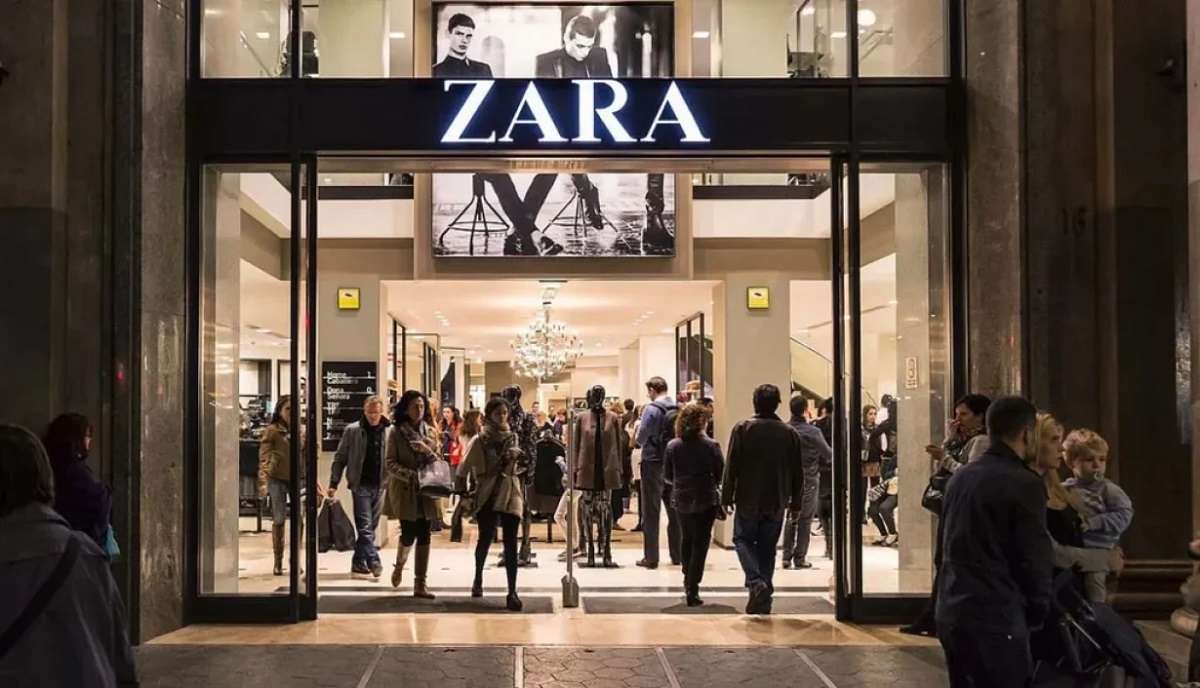
Spanish Inditex is the owner of Zara, Massimo Dutti and Bershka. Zara's growth is flagging because of heightened competition, which is forcing the company to lower the price of clothes and footwear and to put more apparel on sale. Growth in online sales is also chipping away at profitability, because it is more expensive to ship internet orders. The global apparel retail market continues to face significant structural challenges and Inditex is no longer best positioned.
Vietnam emerges a strong FDI destination
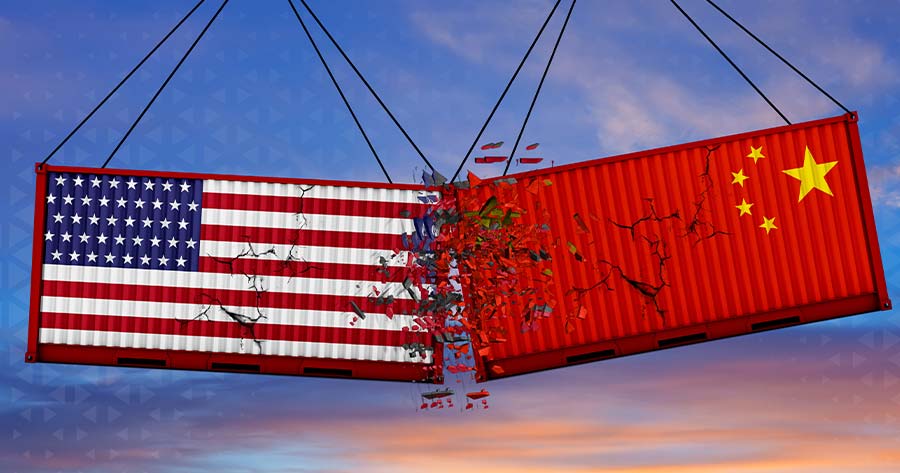
With major trade deals on the horizon, Vietnam has the potential to attract investment and generate new cross border business opportunities. Among these are: the CPTPP, EU-Vietnam FTA and Asean-Hong Kong FTA. However, additional regulatory reforms, continued domestic investment and improvements in manufacturing and labor standards are needed to fully capture the benefits from these and other trade agreements. Vietnam could be one of the major beneficiaries of the escalating US-China trade spat.
The country will be the prime beneficiary of increased cross-border investment in the Asia Pacific and already attracts the highest consistent growth rates of foreign direct investment among Asean nations. While the level of net intended investment into Vietnam is slightly down on last year, the net figure is six percentage points higher than in 2015, when Vietnam was seventh on the list of intended foreign investment nations in the Asia Pacific, behind the Philippines, Singapore, Hong Kong and Indonesia, which have all since dropped out of the top five.
Vietnam has been named by region’s leading business executives as the busiest territory for foreign investment in the coming year – ahead of China, the United States, Australia, Thailand and Indonesia. The country has had consistent positive growth over recent years.
Alliance ends its tenure in Bangladesh
Alliance for Bangladesh Worker Safety announced the end of its tenure in Bangladesh in its fifth and final annual report. The Alliance terminated 178 factories from its compliant factory list due to lack of progress in ensuring a safe working condition. The report also said that pace of corrective action plans (CAP) were accelerated in last two years as many factories that began operations several years ago would go near completion of remediation. The incomplete remediation works would be accomplished by December
Following the Rana Plaza building collapse in April 24, 2013, garment workers, North American buyers and retailers formed the Alliance undertaking a five-year plan, which set timeframes and accountability for inspections, trainings and worker empowerment programs in Bangladesh’s readymade garment sector. In these past five years, the Alliance, member brands and owners of Alliance-affiliated factories achieved unprecedented progress toward the goal of improving safety in Bangladesh’s ready-made garment industry, while simultaneously helping to solidify Bangladesh’s standing as a global leader in garment exports.
Beginning in 2019, most Alliance member brands plan to work through a local organisation to collectively monitor safety in the factories from which they source. The Alliance report said more than 1.6 million workers, security guards and factory managers were trained—and retrained—in fire safety. The Alliance’s 24-hour confidential worker helpline reached more than 1.5 million workers which had already been transferred to local management under Phulki and would soon be available to RMG factories throughout Bangladesh.