FW
Italian show Milano Moda Uomo in January
Four-day Milano Moda Uomo will be held from January 11 to 14, 2019. Dedicated to menswear fashion, the calendar features a plethora of catwalks shows, with several new entries from Italy and abroad and new disciples of the co-ed show doctrine.
With 800 showrooms featuring 3,000 labels, this is the industry’s largest trade fair. Milan is at the heart of the fashion week landscape, both as a venue for creative expression and in business terms. The schedule is intense, and the big Italian names in menswear from Versace to Prada, Emporio Armani, Fendi and Pal Zileri will all be there, alongside Marni, Billionaire, MSGM, N°21 and Belgian label Les Hommes.
John Richmond will make a return on the Milanese catwalks. The label, now owned by Neapolitan group Arav Fashion and designed by the eponymous British stylist, will stage a co-ed show. Mioran, the label by Chinese designer Miao Ran, is also back on the calendar.
Daks, Dsquared2, Frankie Morello, Isabel Benenato, M1992, Marcelo Burlon County Of Milan, Miaoran, Neil Barrett, Sartorial Monk, Spyder and Sunnei will all be presenting co-ed shows.
Among this year’s debuts, there are Italian labels Danilo Paura, founded in 2015 by the eponymous designer, and Barbanera, launched in 2011 by Alessandro Pagliacci.
ISPO Munich to offer comprehensive package to sports retailers
To give international retailers easier access to ISPO Munich, its retail program ‘Altogether to Munich’ will offer sports retailers from Austria, Italy, Poland, Scandinavia, Spain, Switzerland and the UK a comprehensive package for their trade fair trip to Munich. From registration and hotel bookings to arranging appointments and trade fair tours in their own language, the all-round carefree package covers everything the sports retailers need to get a market overview at the world’s leading trade fair for the sports business.
The program is an extension of Club ISPO France, which has been connecting retailers from France with partners and exhibitors for five years now. ISPO Munich is taking place from 3-6 February 2019.
To be held from February 3 to 6, 209, ISPO Munich will bring them together with contacts for brands and distributors, shows them best practice shops on a retail tour of the Bavarian capital and provides a further networking platform through its evening program Furthermore, a country-specific online platform will support the participants for easy appointment and networking in the run-up to the trade fair.
ISPO Digitise, to be held in Hall C6 during ISPO Munich, in February, will inspire sports retailers by digital pioneers and experience the digital retail technology hands on. ISPO Academy will include conferences and seminars as well as online and offline training programs for the sports business all year round.
Isko’s jeggings grows over time to include new features
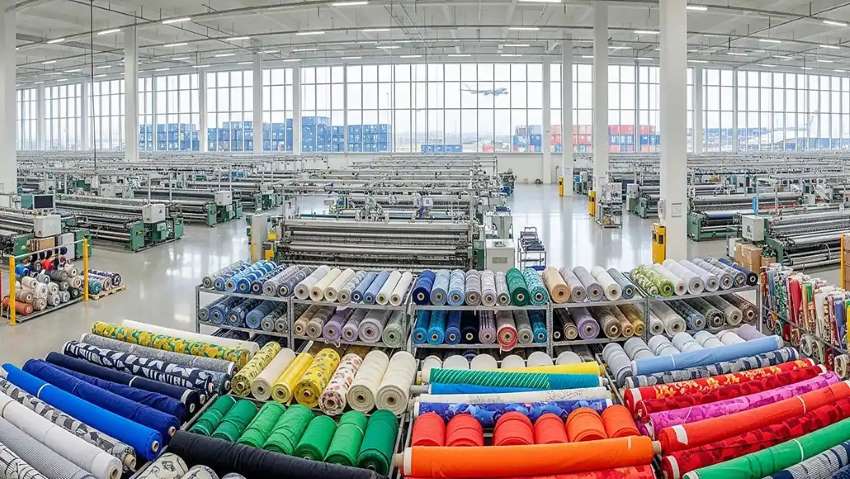
Turkish denim mill Isko has a production capacity of 300 million meters of fabric a year. The company is a global leader in denim fabric manufacturing. A full-power denim force from the ground up, it includes creative services, mentors, trend researchers, fabric engineers, laundry experts and designers.
Isko had launched jeggings in 2008. This super-stretch denim technology, ideal for skinny jeans that are as soft and lightweight as leggings, provides a second-skin comfort with the look of authentic denim. It also shapes and sculpts the body with its superior elasticity. Over the years, Isko jeggings have grown to include brand-new technical features and holding power capabilities that flatter the silhouette, becoming a true revolutionary denim icon.
All Isko fabrics are manufactured in a responsible way. From traditional denim fabrics to patented technologies, they are created at the most advanced technological level, also using innovative and responsible fibers.
Isko is part of Sanko Tekstil, the textiles division of the Sanko Group. Sanko is one of the largest conglomerates in the world, active in a wide range of sectors from construction and energy, to packaging, financial services, health care and education. It is also a major investor in renewable energy, including hydroelectric and wind power plants.
Next edition of Apparel Sourcing coming up in February
Apparel Sourcing, Avantex, Leatherworld, Shawls and Scarves will be held in France, February 11 to 14, 2019. Apparel Sourcing will feature some 600 clothing manufacturers from all over the world. From basics to high-end, the offer covers the whole range of ready-to-wear for women, men and children, grouped by knitwear, dressmaking, tailoring, sportswear, evening wear, made-to-measure, lingerie and swimwear, workwear, textile accessories etc.
Avantex is a trade fair dedicated to technological innovation and sustainable development in the fashion industry. It brings together companies from the design phase through to retail, whose approach is to offer effective solutions for encouraging and shaping tomorrow’s fashion.
Leatherworld is dedicated to flexible materials used in particular in certain branches of fashion such as leather goods, footwear, gloves and fur items. The show attracts a growing number of retailers, in addition to buyers of fabrics or manufactured products.
Shawls and Scarves is self-explanatory. It includes headscarves, wraps, capes, ponchos, etc. in every material: cashmere, wool, silk, cotton, linen, bamboo etc., from entry level to very high end, both woven and knits.
These shows have established themselves as an absolute must for anyone involved in designing collections of clothing and accessories: heads of innovation and research, production managers, buyers of fabrics and finished products, designers and consultants.
Inditex to retail 118 million garments in 2018
Inditex is on path to achieve its target to retail 118 million garments across all brands under its Join Life label collection in 2018, which flags best practices in the choice of raw materials and production processes. Inditex broadened its sustainable production as it published another set of stellar trading figures for the first nine months of 2018. They showed that net sales at the business increased by 3 per cent on a year-on-year basis to €18.4bn in first nine months, up 7n per cent in local currencies.
Net sales mark a record for the nine-month period ending October 31. Sales growth was accompanied by gross margin expansion of 60 basis points to 58 per cent. Net profit also hit a new nine-month record, climbing four per cent to €2.4bn. Like-for-like sales in the second half of 2018 to the end of November grew three per cent, following a good start to the season, an extraordinarily warm September and five per cent like-for-like sales growth in October/ November.
China still accounts for 36.5 per cent of US apparel imports
Despite the trade war, China accounts for nearly 36.5 per cent of all the apparel imported into the United States, though these imports have declined from the 41.5 per cent in 2010. For the 12 months ending in October, the United States imported $40.3 billion in apparel, textiles and yarns from China, a 5.25 percent increase over last year.
Still, there is a shift out of the country after the Trump administration earlier this year imposed an additional 10 percent in tariffs on $200 billion of imported Chinese goods. Those tariffs covered textiles and handbags but not apparel. The main beneficiary of this shift out of China is Vietnam, which continues to be the second largest apparel provider to the United States. Vietnam now accounts for 11.75 percent of all the textiles and apparel the U.S. imports into the country.
For the 12 months ending in October, US’ apparel and textile imports increased by 8.44 per cent over the previous year, totaling $1.3 billion.
India’s textile, apparel exports decreased and imports increased in H1 FY19
As per latest Wazir Textiles Index (WTI), India’s overall textile and apparel exports in H1 FY19 declined 1 per cent to $18.4 billion from the previous year. Apparel exports declined by 16 per cent this half year, largely due to the decline in apparel exports to the UAE, which dropped inexplicably by 55 per cent during H1 FY19.
India’s overall textile and garment exports to UAE also declined by around 50 per cent during first half of FY19. The EU, US and UAE remained the top export destinations for India’s textiles and garment products.
Textile and clothing imports during the period increased by 4 per cent compared to the previous year. Apparel imports increased by 56 per cent, primarily due to the impact of reduced effective import duties post GST for imports from countries like China and Bangladesh. China continues to be the largest import partner for India, however, the imports declined marginally by 0.4 per cent in H1 FY19 as compared to the previous year.
Kering, Adidas rank high in McKinsey’s latest Global Fashion Index
"In its ‘Global Fashion Index,’ McKinsey ranked the top fashion companies across the world by economic profit during the first nine months of 2018. According to the report, the global fashion market is dominated by 20 companies which account for 97 per cent of global economic profit in the retail sector. These companies own some of the biggest and best-known brands in the business. Of these 20, the top 10 are. Having some of the best-known high end brands, Kering registered a profit of $943 million in the first nine months of 2018. The luxury conglomerate owns brands like Gucci, Alexander McQueen, and Balenciaga, etc. Gucci was ranked the second-hottest brand on a recent survey by Lyst and the 10th most popular apparel brand in a survey of teen spending in April."
 In its ‘Global Fashion Index,’ McKinsey ranked the top fashion companies across the world by economic profit during the first nine months of 2018. According to the report, the global fashion market is dominated by 20 companies which account for 97 per cent of global economic profit in the retail sector. These companies own some of the biggest and best-known brands in the business. Of these 20, the top 10 are:
Kering
Having some of the best-known high end brands, Kering registered a profit of $943 million in the first nine months of 2018. The luxury conglomerate owns brands like Gucci, Alexander McQueen, and Balenciaga, etc. Gucci was ranked the second-hottest brand on a recent survey by Lyst and the 10th most popular apparel brand in a survey of teen spending in April.
Adidas
With a profit of $1.06 billion, German athletics brand Adidas, in recent years, has been doubling its operations in the US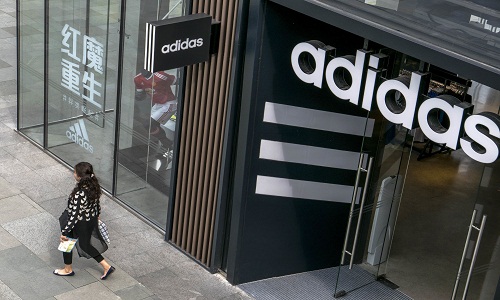 market capturing around 30 to 40 per cent market share.
Ross Stores
Hailed as a retail treasure by analyst, off-price retailer Ross Stores, with a profit of $1.06 billion , offers a wide selection of well-known brands at discounted prices and providing customers with a treasure-hunt shopping experience that's hard to replicate online.
Richemont
The parent company of jewelry and watches brands such as Vacheron Constantin, Cartier, and IWC Schaffhausen, Richemont also owns Net-a-Porter, the online fashion store selling a wide mix of designer brands. It has registered a profit of $1.07 billion
H&M Group
Best known for its cheap namesake brand, H&M also runs more expensive stores such as & Other Stories and Cos. The group, with a profit of $1.28 billion, is considered as one of the pioneers of the fast-fashion movement and leading apparel companies in the world.
hHermès
Best known for its silk scarves and hand-stitched $10,000 Birkin handbags, luxury French brand Hermès reported a 14 per cent increase in revenues in China despite concerns of a potential slowdown in customer spending. Its profit stood at $1.35 billion
TJX Companies
The parent company of several off-price chains in the US, including TJ Maxx and Marshalls, TJX Companies, with a profit of $1.97 billion, is leading the American off-price market. The company has reported strong same-store sales numbers for several years.
LVMH
Headquartered in Paris, LVMH is a luxury goods conglomerate that owns a wide range of designer brands including Louis Vuitton, Loewe, Céline, and Givenchy. The company, in the first nine months of 2018, reported a 10 per cent increase in its revenues. It generated a profit of $2.33 billion during the period.
Nike
A dominant name in the US athletic footwear market, Nike is also considered to be one of the most powerful brands in the world. In recent years, the brand has come under pressure in the US and lost sales to German rival Adidas, which has been offering new and differentiated products and reacting quickly to market demand. Its profit for the first nine months of 2018 stood at $3 billion
Inditex
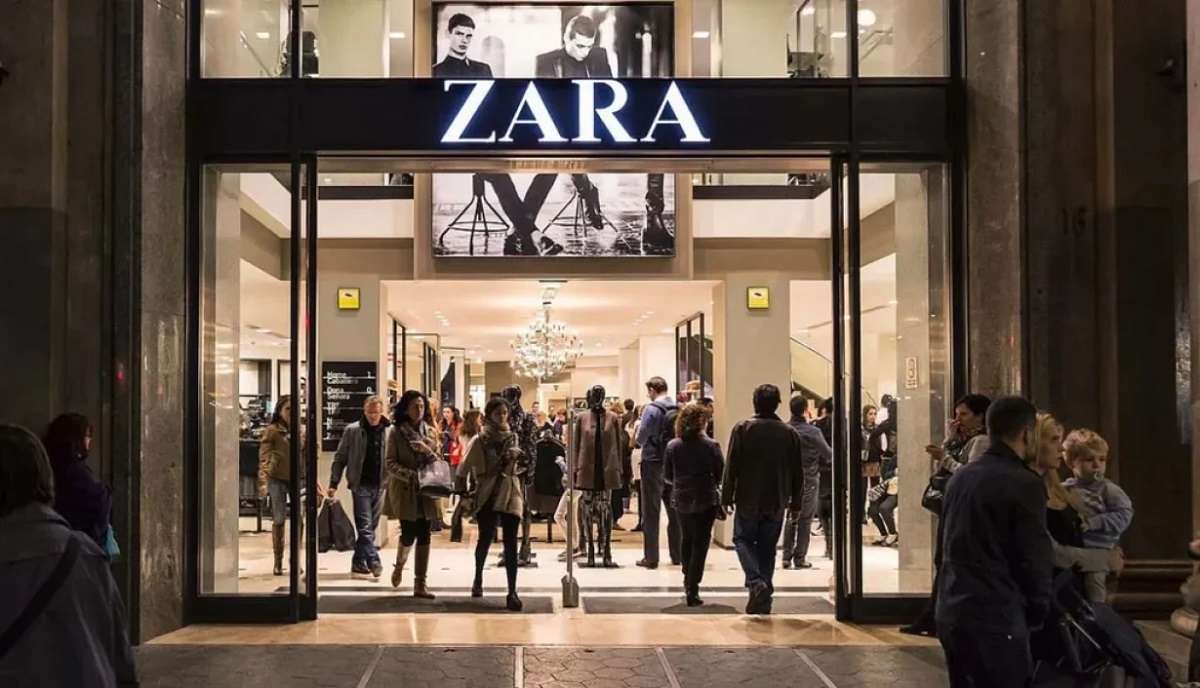
The retail powerhouse behind brands such as Zara, Massimo Dutti, and Pull & Bear, Spanish-headquartered Inditex has grown to become an enormous, 2,000-store chain, with a presence in 96 countries around the world.
Ongoing trade war may impact Asia Pacific
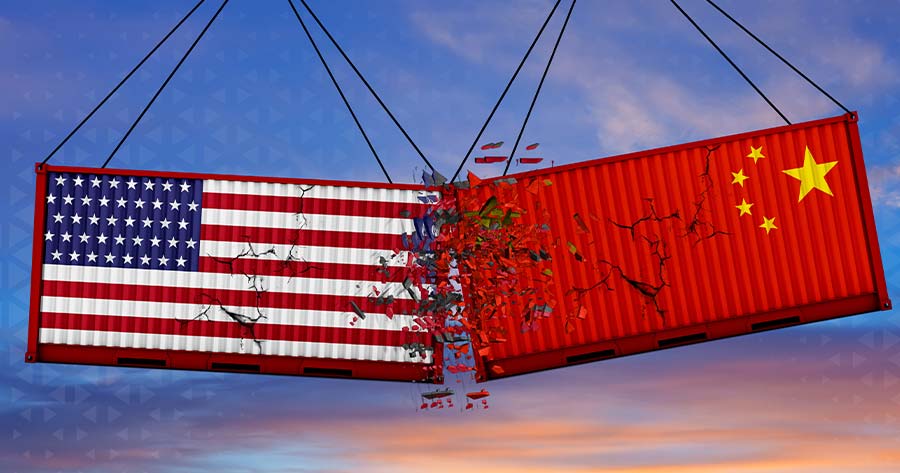
The trade war between the US and China may have a bad impact on the Asia Pacific region. Tensions have begun to disrupt existing supply chains and dampen investor confidence, as evidenced by the deceleration in trade growth after the first half of 2018.
At this rate export growth may slow to 2.3 per cent in 2019, compared to a nearly four per cent growth in export volume in 2018. FDI inflows to the region are also expected to continue in their downward trend next year, following a four per cent drop in 2018.
Since many of the main export industries in the region are relatively labor-intensive, a contraction of exports could spell at least temporary hardship for many workers. Asia and the Pacific will see a minimum net loss of 2.7 million jobs due to the trade war, with unskilled workers, often women, shouldering a more severe impact.
If the tariff war escalates in 2019 and investor and consumer confidence drop, global GDP could ultimately be cut by nearly $400 billion, also driving regional GDP down by $117 billion dollars. Almost nine million people could be put out of work in the region, with many more workers also moving to new jobs in different sectors.
Personal luxury goods is a dominant niche in China
China is a big market when it comes to personal luxury goods (PLG). Chinese nationals accounted for about one-third of all PLG purchases in 2017. It has grown to this size from virtually zero in 2000.
Personal luxury goods are items like clothing, footwear, bags and accessories, cosmetics, fragrances, jewelry, watches, and so on. China’s peculiar political history, a fractured cultural legacy and the present political make-up has created a lot of vacuum spots that brands, in particular luxury brands, fill in. PLG is regarded as the core of the core of the luxury marketplace. Personal luxury goods touch the core of the core of the consumer’s identity.
Today social media adds a totally new set of demands on the demonstrations of who a person is. Brands are a large part of that equation. Personal luxury goods are an exact fit for this. Niche luxury brands are particularly sought after, to create a personal signature style.
China’s economic growth has helped pull large swathes of the population out of poverty in the last 20-odd years. The upward social movement has been relentless and fast. So there is also a huge middle class that has emerged and is still emerging.