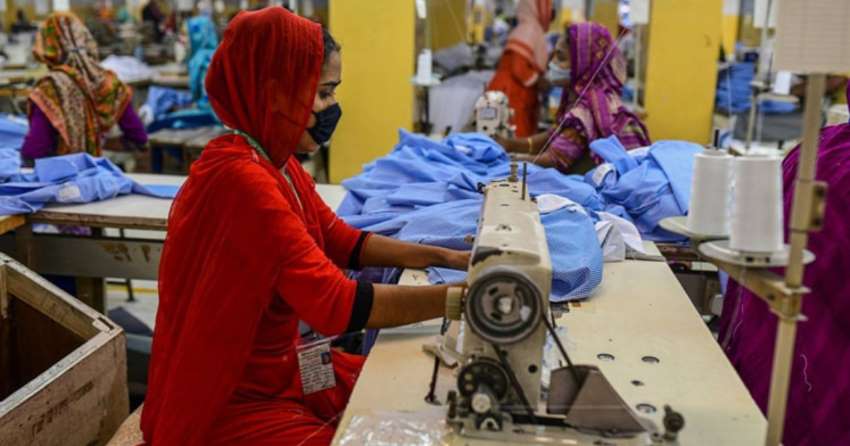
Denim units in Bangladesh are in top gear. Hundreds of units are operating to deliver on huge orders for denim products ahead of Id. To cope with growing orders, workers have been working till midnight to meet demand of country's large local customer base. Targeting hot Id sales, some manufacturers have also raised their investment volume for further mounting their production capacity in a bid to book a good portion of the hefty trade during the largest festival for Muslims.
Keraniganj, located on the banks of river Buriganga, is home for more than 5,500 small and medium-sized factories, mostly denim, they make various types of clothing. The hub is a cluster of 200 units spread over two kilometers area. The apparel zone supplies around 80 per cent of Bangladesh’s total demand for denim.
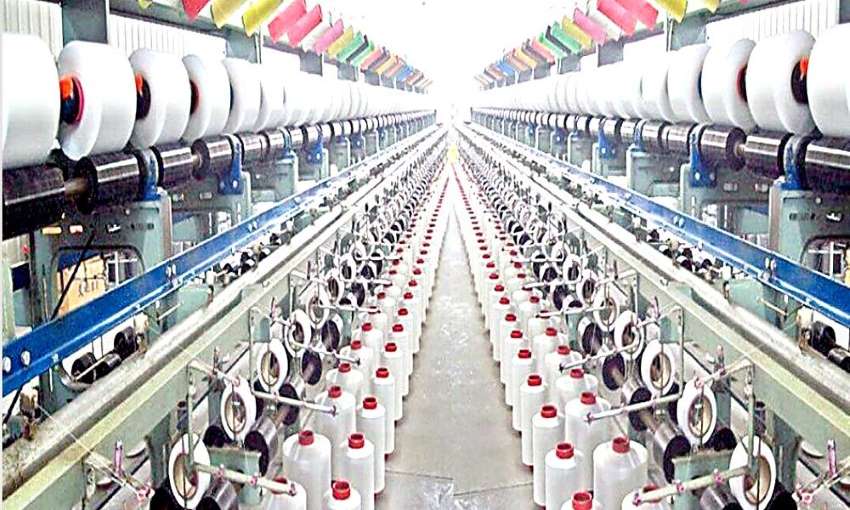
Wholesalers and retailers from all over the country come to purchase good-quality wear from the cluster, which was known for supplying re-modified used clothes in the 80s. The whole chain of manufacturing includes sewing, dyeing and washing is on a desperate run to maintain smooth supply of quality fashion wear for both men and women.
- 1
- 2
- 3
- 4
- 5
- 6
- 7
- 8
- 9
- 10
Zombie inventory and shrinking margins inside China’s fashion returns meltdown
China’s digital fashion market, long celebrated as the world’s most sophisticated test bed for e-commerce innovation, is facing a destabilising... Read more
Circularity by Design: How EU rules are turning data into fashion’s new currency
The European fashion sector has entered a compressed transition window. Two regulatory confirmations: the revised EU Textile Labelling Regulation (effective... Read more
The Lyst Reset: Chanel and Dior rewrite luxury’s power index
The global luxury hierarchy has been quietly rewritten, and not by sales alone. In Q1 2026, Chanel rose to the... Read more
Inventory, not expansion, defines winners in global apparel
The 2025 fiscal year has crystallised that revenue growth and operational health are no longer moving in tandem. In an... Read more
From growth-at-all-costs to cash discipline, the new economics of DTC fashion
The global direct-to-consumer apparel market is entering a correction phase, as fashion brands across the US, Europe and the UK... Read more
Britain’s Forgotten Growth Engine: Why policy gaps are undermining fashion and t…
Britain’s fashion and textile industry, often framed through the lens of creativity and design, is emerging as a case study... Read more
Beyond price rallies structural reform can strengthen India’s cotton economy
India’s cotton economy is entering a decisive phase, where firmer prices and tighter arrivals in the 2026-27 season have given... Read more
Polyester volatility redraws India’s textile industry competitive map across Asi…
India’s synthetic textile industry has entered a phase of cost instability as polyester staple fibre (PSF) prices rise across domestic... Read more
The £7 Billion Question: Who pays for fashion’s ‘free rental’ habit?
The global fashion industry is facing an uncomfortable paradox: its most valuable customers may also be its most destructive. A... Read more
India, China Bangladesh face fresh headwinds as global apparel markets rebalance
Global apparel trade is entering a more uneven recovery phase, with demand growth persisting but losing uniform momentum across major... Read more