The European Union wants Bangladesh to address outstanding labor issues including freedom of association in export processing zones (EPZs). The EU already grants Everything But Arms (EBA) privileges to Bangladesh. The EU is working with Bangladesh on GSP Plus issues.
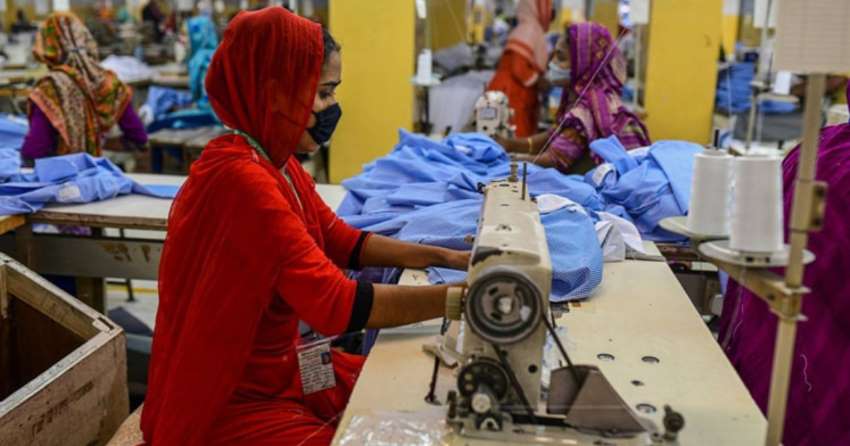
Bangladesh expects to face enormous challenges in adjusting to the fourth industrial revolution and robotics technologies. Bangladesh is the second largest exporter of readymade garments in the world. About 58 per cent of Bangladesh’s garment exports go to EU countries. Bangladesh wants to graduate from LDC status by 2024. But once this happens it may lose the EBA facilities. The country has urged the EU to continue providing GSP Plus trade facilities for Bangladesh. One challenge Bangladesh faces is that the export basket is restricted to garments. Bangladesh wants EU foreign direct investment and technologies in other promising export sectors such as agro-processing, shipbuilding, information and communication technology and pharmaceuticals in order to move up the value chain and enable a win-win benefit. The EU has also been invited to invest in special economic zones in Bangladesh. Both are joining hands to address impediments to more FDI from EU countries to Bangladesh. Several rounds of dialogue have resolved some outstanding issues.
- 1
- 2
- 3
- 4
- 5
- 6
- 7
- 8
- 9
- 10
Luxury under pressure as stagflation and geopolitics redefine the winners’ circl…
The 2025 earnings for Europe’s listed luxury majors have delivered a verdict that has far more implications than the prevailing... Read more
Luxury resale goes global, sneakers, handbags, archival fashion redrawing border…
The luxury resale market in 2026 is no longer a monolithic global block. According to the RB Insights January 2026... Read more
China out but can India deliver? The realities of the global sourcing shift
With the US imposing a flat 15 per cent tariff on Chinese imports under Section 122 as of February 2026,... Read more
Luxury in Retreat: Why the aspirational consumer is gone for good
The global luxury industry is confronting an unprecedented situation. The active consumer base, which peaked at 400 million in 2022,... Read more
The Invisible Bleed: How a single chemical is slowing India’s apparel machine
The global fashion industry has spent the better part of the past two years obsessing over visible disruptions viz. volatile... Read more
The Closet Paradox: How ‘nothing to wear’ is driving global overconsumption
In an era of overflowing wardrobes and instant fashion gratification, a striking paradox has emerged: the more clothes we own,... Read more
US trade rulings and labor slowdown reshape 2026 cotton supply chains
The global cotton industry is entering a period of adjustment, shaped by legal rulings, trade policy recalibrations, and a softening... Read more
Zero-tariff paradigm drives strategic re-sourcing at Global Sourcing Expo 2026
Projected to reach a valuation of $30.3 billion this year, the Australian textile and apparel market is entering a period... Read more
Strategic manufacturing takes center stage at Gartex Texprocess Mumbai 2026
A $179 billion industrial cornerstone contributing 2 per cent to the national GDP, the Indian textile and apparel sector is... Read more
The Hidden Tax on Fashion: 2026’s EPR rules squeeze margins and shake supply cha…
As the 2026 enforcement deadlines for California’s SB 707 and the European Union’s harmonized Waste Framework Directive loom, the global... Read more